
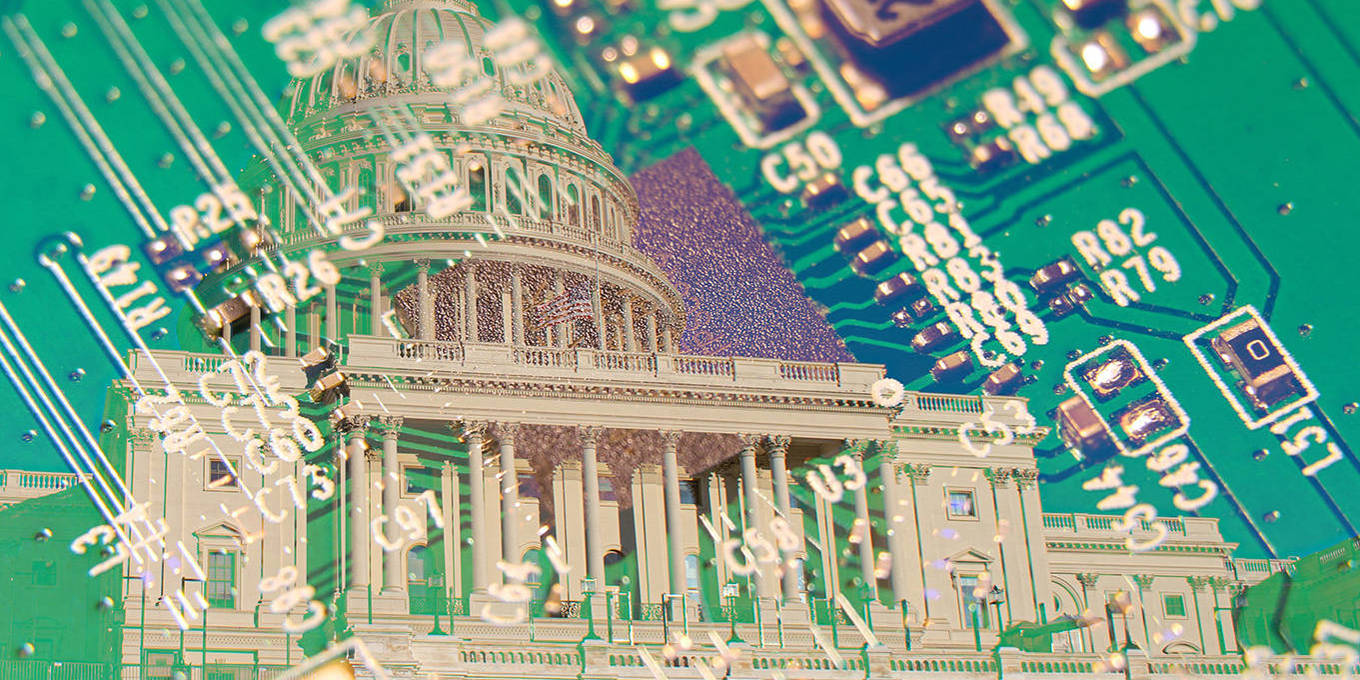
Can AI Restore Trust in Government? Lessons from Technocratic Successes
Dubai – Across established democracies, a crisis of trust is brewing. Public confidence in governmental institutions has plummeted, fueled by political polarization, economic anxieties, and a pervasive sense that leaders are out of touch. Compounding these challenges is the rise of artificial intelligence (AI), which many fear will exacerbate the problem by unleashing a torrent of disinformation and eroding faith in objective truth.However, a growing body of evidence suggests that AI isn’t necessarily a threat to democratic trust – it could be a crucial part of the solution.
The paradox lies in understanding how trust is built in the first place. While often associated wiht transparency and open debate, triumphant, high-trust societies like Singapore and the United Arab Emirates demonstrate a different path. These nations prioritize delivering tangible policy results and maintaining a responsive approach to evolving public concerns. Now,new AI tools are emerging that empower even low-trust democracies to emulate this model,bridging the gap between citizens and their governments.
The Erosion of Trust in Established Democracies
the decline in public trust isn’t a sudden phenomenon. Decades of stagnant wages,increasing inequality,and a perceived lack of accountability have steadily chipped away at faith in institutions.Pew Research Centre data consistently shows that a relatively small percentage of Americans trust the federal government to do what is right “just about always” or “most of the time.” Similar trends are observable in other established democracies like the United Kingdom, France, and Germany.
This erosion of trust has meaningful consequences.It hinders effective governance, fuels political instability, and makes societies more vulnerable to extremist ideologies. When citizens don’t believe their leaders are acting in their best interests,they are less likely to comply with laws,participate in civic life,or support policies designed to address pressing challenges.
The advent of social media and the proliferation of “fake news” have further complicated the situation. AI-powered tools can now generate incredibly realistic disinformation at scale, making it increasingly arduous for citizens to discern fact from fiction. A report by the Brookings Institution highlights the speed and reach with which false narratives can spread online, undermining public discourse and eroding trust in legitimate news sources.
The Technocratic Model: Delivering Results and Responsiveness
Singapore and the UAE offer a compelling option. These nations, frequently enough described as “technocracies,” have cultivated high levels of public trust by focusing on pragmatic problem-solving and demonstrable outcomes. They prioritize long-term planning, invest heavily in infrastructure, and maintain a relatively efficient and corruption-free bureaucracy.
However, their success isn’t solely based on technical expertise. Crucially, both countries also demonstrate a remarkable ability to anticipate and respond to public concerns. Singapore, for example, utilizes extensive public consultation processes and actively monitors social media to gauge public sentiment. The UAE has implemented initiatives like the “UAE Strategy for Artificial Intelligence” UAE Government Portal which aims to improve government services and citizen engagement.
This combination of results-oriented governance and responsiveness is key. Citizens are more likely to trust institutions that consistently deliver on their promises and demonstrate a willingness to listen to their needs.
AI as a Trust-Building Tool for Democracies
The good news is that AI can help democracies replicate aspects of the technocratic model. Here’s how:
* Enhanced Policy Analysis & Prediction: AI algorithms can analyze vast datasets to identify emerging trends,predict the potential impact of policies,and optimize resource allocation. This allows governments to make more informed decisions and proactively address societal challenges. For example, AI can be used to model the effects of different economic policies on income inequality or to predict outbreaks of infectious diseases.
* Improved Public Service Delivery: AI-powered chatbots and virtual assistants can provide citizens with instant access to information and services, reducing bureaucratic hurdles and improving customer satisfaction. The UK government, as an example, is exploring the use of AI to streamline processes and enhance citizen experience.
* Real-Time Sentiment Analysis: AI can monitor social media and other online platforms to gauge public opinion on specific issues, allowing governments to identify areas of concern and adjust their policies accordingly. This provides a valuable feedback loop, ensuring that government actions are aligned with public needs.
* Combating Disinformation: While AI can be used to create disinformation, it can also be used to detect and counter it.AI-powered tools can identify fake news articles, deepfakes, and bot networks, helping to protect the integrity of
