AI & Teens: Impact on Connection & Relationships | The Big Weekend Show
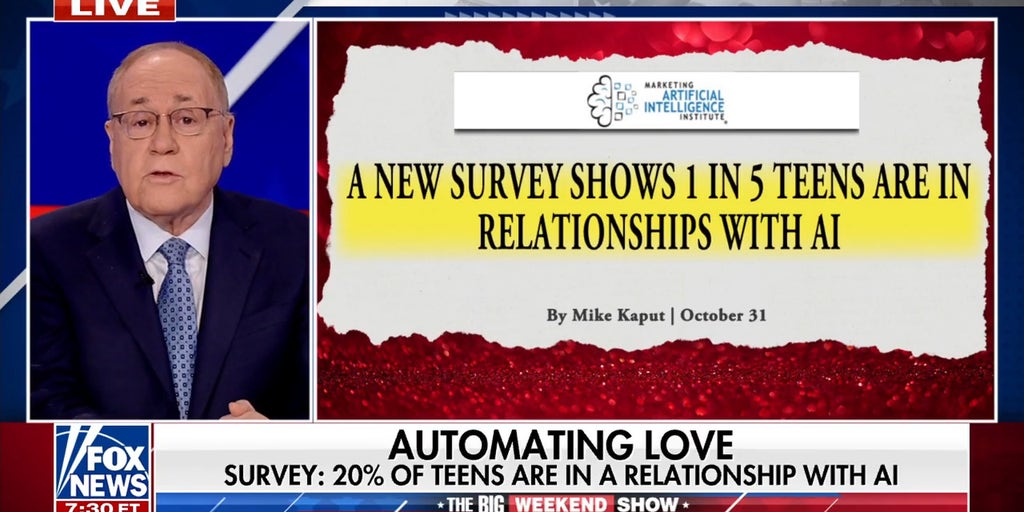
A panel discussion on Fox News’ “The Big Weekend Show” on Sunday, February 15, 2026, highlighted a growing trend: romantic relationships between teenagers and artificial intelligence. The discussion followed the release of a survey indicating that 20% of teens report being in a relationship with an AI entity.
The phenomenon coincides with increasing concerns about the impact of AI on adolescent development and well-being. A report released in January 2026 by the Brookings Institution’s Center for Universal Education warned that the risks of using generative AI in education currently outweigh the benefits, finding that such use could “undermine children’s foundational development.” The study, which included interviews with students, parents and educators in 50 countries, characterized the potential damage as “daunting,” though potentially “fixable.”
The rise in AI companionship too occurs as teenagers are increasingly exposed to, and sometimes misled by, AI-generated content online. A study published by Common Sense Media in January 2025 found that approximately 35% of American teenagers aged 13 to 18 have been deceived by fake content, including AI-generated photos and videos. An additional 41% reported encountering misleading content, and 22% admitted to sharing information that later proved false. The Common Sense Media report noted that seven in ten teenagers have experimented with generative AI tools.
Further complicating the landscape, a Pew Research Center study conducted in late 2025 revealed a significant level of distrust among teenagers regarding the responsible use of AI by major technology corporations. Nearly half of the teenagers surveyed expressed a lack of confidence in companies like Google, Apple, Meta, TikTok, and Microsoft to make sound decisions about AI implementation. The Pew study, based on a survey of 1,458 U.S. Teens, indicated that exposure to fake online content increases teenagers’ skepticism about verifying information.
The Cornell University, University of Washington, and University of Waterloo released a study in July 2024 that found even the most advanced AI models are prone to “hallucinations,” generating false information. This capacity for misinformation raises concerns about the potential for AI to exacerbate existing issues with trust in media and government, according to the Common Sense Media report.
The Brookings Institution report noted that even as generative AI is relatively latest – ChatGPT was released just over three years ago – its potential impact warrants a “premortem” analysis, examining potential issues before long-term data and hindsight are available. The report outlined both potential benefits, such as assisting students with language acquisition, and risks, including undermining foundational development.