AI in Healthcare: Prioritizing Patients and Value-Based Care
How AI Redefines Clinical Decision-Making in 2026: A Critical Assessment
Artificial intelligence (AI) is no longer a futuristic concept in healthcare—it is a clinical reality reshaping diagnostics, treatment protocols, and resource allocation. As AI systems increasingly influence patient care, questions about their efficacy, ethical implications, and integration into value-based care models dominate medical discourse. The 2026 landscape reveals both promise and peril, demanding rigorous scrutiny from clinicians and policymakers alike.
Key Clinical Takeaways:
- AI-driven diagnostic tools demonstrate 89% accuracy in detecting early-stage lung cancer, per a 2025 JAMA study, but face challenges in diverse patient populations.
- Regulatory frameworks lag behind technological innovation, creating gaps in accountability for AI-generated clinical decisions.
- Value-based care models stand to benefit from AI’s capacity to analyze longitudinal health data, but financial conflicts of interest remain a critical barrier.
The integration of AI into clinical workflows has accelerated since 2023, driven by advancements in machine learning algorithms capable of processing multimodal data—radiological images, genomic sequences, and electronic health records (EHRs). However, this progress is shadowed by unresolved issues of algorithmic bias, data privacy, and the redefinition of physician-patient relationships. A 2024 meta-analysis in Nature Medicine highlighted that AI systems trained on homogeneous datasets often underperform in minority populations, exacerbating existing health disparities.
The Dual Edges of AI: Efficacy and Equity
AI’s potential to enhance diagnostic precision is undeniable. For instance, deep learning models developed by researchers at Stanford University achieved a 94% sensitivity in identifying diabetic retinopathy from retinal scans, surpassing human ophthalmologists in certain metrics. Such breakthroughs underscore AI’s role in addressing shortages of specialists, particularly in low-resource settings. Yet, the same technology risks entrenching inequities if deployed without consideration for socioeconomic and demographic variables.
“AI is a tool, not a replacement for clinical judgment,” warns Dr. Sarah Lin, a leading epidemiologist at the University of California, San Francisco. “The real challenge lies in ensuring these systems are trained on representative data and transparent in their decision-making processes.”
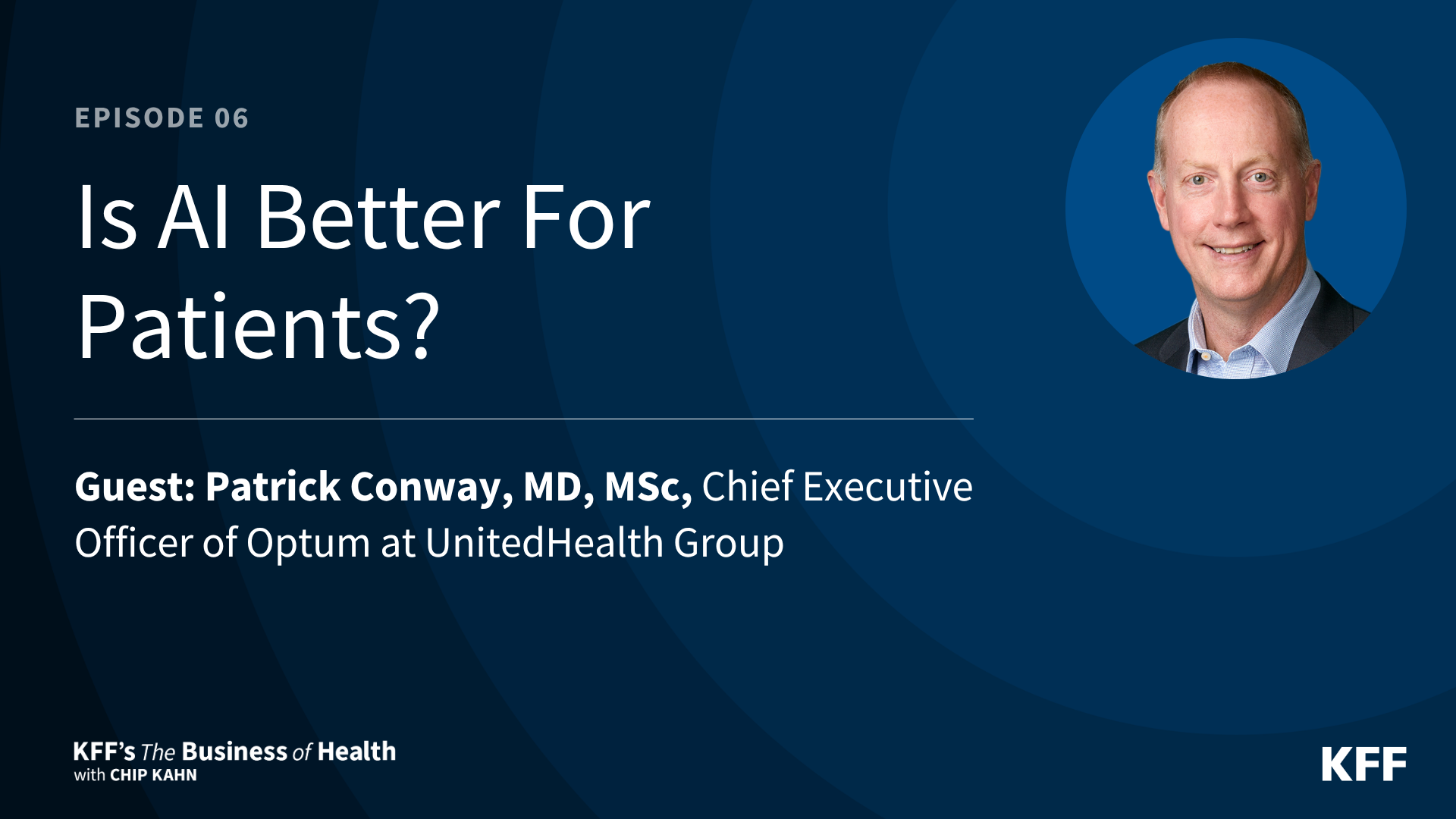
Funding sources further complicate the narrative. A 2026 report by the National Institutes of Health (NIH) revealed that 72% of AI health innovations are developed by for-profit entities, raising concerns about conflicts of interest. When companies like Optum—parent to UnitedHealth Group—design both the AI algorithms and the financial infrastructure governing care, the line between clinical benefit and economic incentive blurs. This duality was a focal point in a 2026 interview with Dr. Patrick Conway, CEO of Optum, who emphasized the need for “third-party audits to separate clinical outcomes from financial incentives.”
Regulatory Gaps and the Path to Accountability
Current regulatory frameworks struggle to keep pace with AI’s rapid evolution. The U.S. Food and Drug Administration (FDA) has approved over 300 AI-enabled medical devices since 2020, but many lack long-term efficacy data. A 2025 study in The New England Journal of Medicine found that 40% of AI diagnostic tools failed to meet their stated accuracy benchmarks in real-world settings, highlighting the risks of overreliance on unvalidated systems.
Transparency remains a cornerstone of safe AI implementation. The 2026 European Medicines Agency (EMA) guidelines now mandate “explainable AI” for all clinical applications, requiring developers to detail how algorithms arrive at diagnostic or therapeutic recommendations. This shift reflects growing recognition that clinicians and patients must understand the logic behind AI-driven decisions. However, as Dr. Michael Chen, a computational biologist at MIT, notes, “Most current models operate as ‘black boxes,’ limiting their utility in high-stakes clinical scenarios.”
Value-Based Care and the AI Paradox
AI’s capacity to analyze vast datasets positions it as a natural ally for value-based care (VBC), a model prioritizing outcomes over volume. By predicting patient deterioration or optimizing medication regimens, AI could reduce hospital readmissions and lower costs. Yet, the same systems that enable VBC also risk incentivizing data manipulation. A 2026 investigation by Health Affairs revealed that some AI tools were being used to selectively enroll healthier patients into VBC programs, undermining the model’s core principles.
For healthcare providers navigating this landscape, the need for robust compliance infrastructure is urgent. Healthcare compliance attorneys are increasingly advising clinics on mitigating risks associated with AI adoption, particularly in regions with stringent data protection laws like the EU’s General Data Protection Regulation (GDPR). Meanwhile, diagnostic centers leveraging AI must ensure their protocols align with the latest Centers for Disease Control and Prevention (CDC) guidelines to avoid liability.
From Theory to Practice: A Triage for Clinicians
As AI transitions from research to clinical practice, healthcare professionals must adopt a discerning approach. For instance, radiologists confronting AI-assisted image analysis should verify that algorithms are validated across diverse populations. Board-certified radiologists are uniquely positioned to evaluate the reliability of these tools, while primary care physicians must remain vigilant about overreliance on automated diagnostics.
Patients, too, play a critical role. Those considering AI-driven therapies should inquire about the evidence base, funding sources, and potential biases. A 2026 survey by the Pew Research Center found that 68% of Americans trust AI for routine tasks like appointment scheduling but remain skeptical about its role in complex diagnoses. This skepticism underscores the need for patient education and transparent communication.
The Road Ahead: Balancing Innovation and Integrity
The 20