AI-Driven Network Intelligence and the Future of Networking Operations
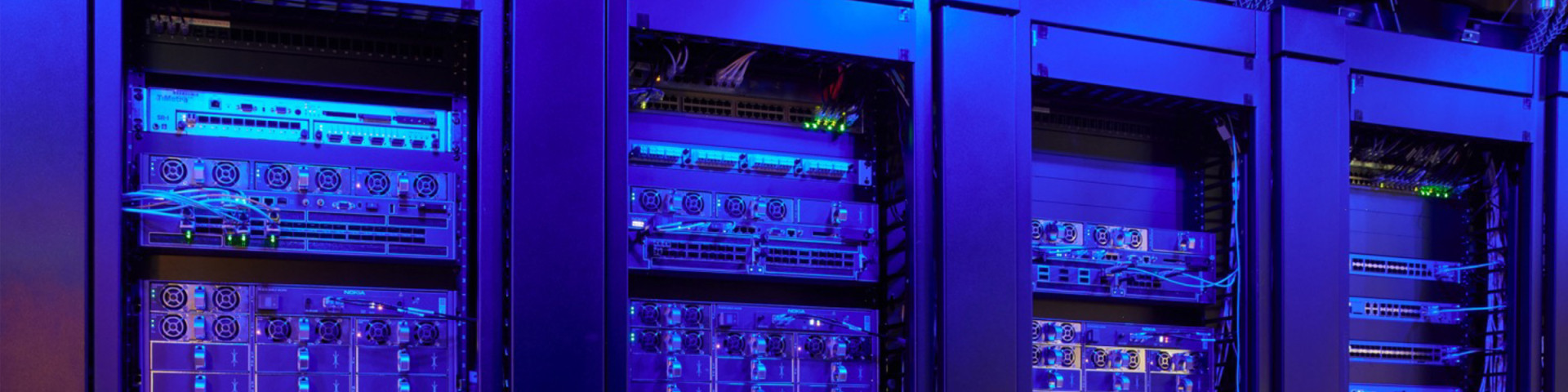
Nokia has inaugurated its AI Networking Innovation Lab, a centralized hub designed to accelerate the development of AI-native data center architectures. By fostering co-innovation with ecosystem partners, the initiative aims to solve critical scalability bottlenecks in next-generation network infrastructure, positioning the company to capture value in the burgeoning AI-driven market.
The modern data center is no longer a peripheral asset; it is the central nervous system of the global enterprise. Yet, as compute density increases to support massive large language model (LLM) training and inference, traditional network architectures are hitting a wall. Latency and jitter—once manageable variables—are now the primary inhibitors of ROI for high-performance computing (HPC) clusters. Nokia’s move to establish a dedicated lab signals a shift toward vertical integration of hardware and software, a strategy designed to reclaim margins that have been eroded by generic commodity networking solutions.
The Structural Shift in AI-Native Infrastructure
For institutional investors, the primary concern remains the “AI supercycle” and whether infrastructure providers can sustain the necessary capital expenditure (CapEx) to remain competitive. Nokia’s strategy addresses this by focusing on the transition toward autonomous, intent-based networking. This is not merely an operational upgrade; it is a fundamental reconfiguration of the data center fabric.
- Latency Mitigation: Reducing the time-to-data for AI compute nodes, directly impacting the efficiency of GPU utilization.
- Predictive Automation: Utilizing AIOps to sense, think and act on network anomalies before they manifest as downtime.
- Energy Efficiency: Optimizing transport networks to handle the massive throughput required by AI workloads without triggering exponential increases in power consumption.
The financial stakes are significant. As organizations pivot toward AI-native environments, the complexity of these deployments often outpaces the capabilities of internal IT teams. This creates a vacuum, necessitating external oversight from specialized IT consulting firms capable of navigating the intricacies of software-defined networking (SDN) and hardware interoperability.
Capital Allocation and the Competitive Moat
Nokia is positioning itself to capture the “middle-mile” of the AI infrastructure stack. By evolving their mobile, fixed, and transport solutions, they are targeting the high-performance connectivity segment that cloud service providers and large-scale enterprises prioritize. According to official corporate announcements, the strategic integration of AI-RAN products is a centerpiece of this effort. This represents a defensive play against the commoditization of network hardware, shifting the focus to proprietary, high-margin software suites.
“The future of connectivity requires an intelligent fabric that is as dynamic as the AI workloads it supports. We are moving beyond the era of static provisioning into a world where intent-based operations are the baseline for enterprise resilience.”
However, the transition is not without friction. Integrating these advanced networks requires rigorous adherence to regulatory and security standards. As data center architectures become more complex, the risk surface expands, forcing firms to engage cybersecurity and risk management consultancies to ensure that the drive toward automation does not compromise data integrity or compliance mandates.
Market Trajectory and Fiscal Discipline
Looking toward the next fiscal quarters, the success of this lab will be measured by its ability to shorten the deployment lifecycle for partners. The market is currently rewarding firms that can demonstrate tangible progress in AI-native networking. Those that fail to bridge the gap between legacy infrastructure and AI-ready connectivity will likely see a contraction in their long-term growth multiples.

As the industry moves toward 6G and beyond, the convergence of AI and telecommunications will dictate the winners of the next decade. Firms that prioritize high-performance, intent-based network automation are better positioned to weather the volatility inherent in massive infrastructure cycles. For the C-suite, this underscores the necessity of audit-ready operational frameworks, often requiring the assistance of strategic business advisory firms to align technology investments with long-term shareholder value.

Market participants should monitor how quickly these laboratory innovations translate into commercial-grade products. The “AI-native” label is becoming standard, but the differentiator will remain the ability to deliver scalable, secure, and high-performance connectivity that justifies the underlying capital investment. The infrastructure race has shifted from speed-to-market to architectural resilience, and firms that fail to adapt their operational models will find their margins increasingly under pressure.
The path forward is clear: the integration of AI into the network fabric is no longer a research objective—it is a commercial imperative. Investors and stakeholders should continue to look for companies that prioritize this R&D-to-revenue pipeline, ensuring that every dollar spent on innovation is backed by a clear path to enterprise-wide adoption.
Worth a look
- Montevideo offers English training for youth and micro-entrepreneurs
- NVIDIA RTX Spark Technical Briefing: Architecture, Local AI, and Gaming Performance on Arm Windows
- US group buys largest Irish GP practice network in deal worth around €350m – The Irish Times (newsy-today.com)
- What Atrium's Out-of-Network Shift Means for State Health Plan Members (daybreakwire.com)