
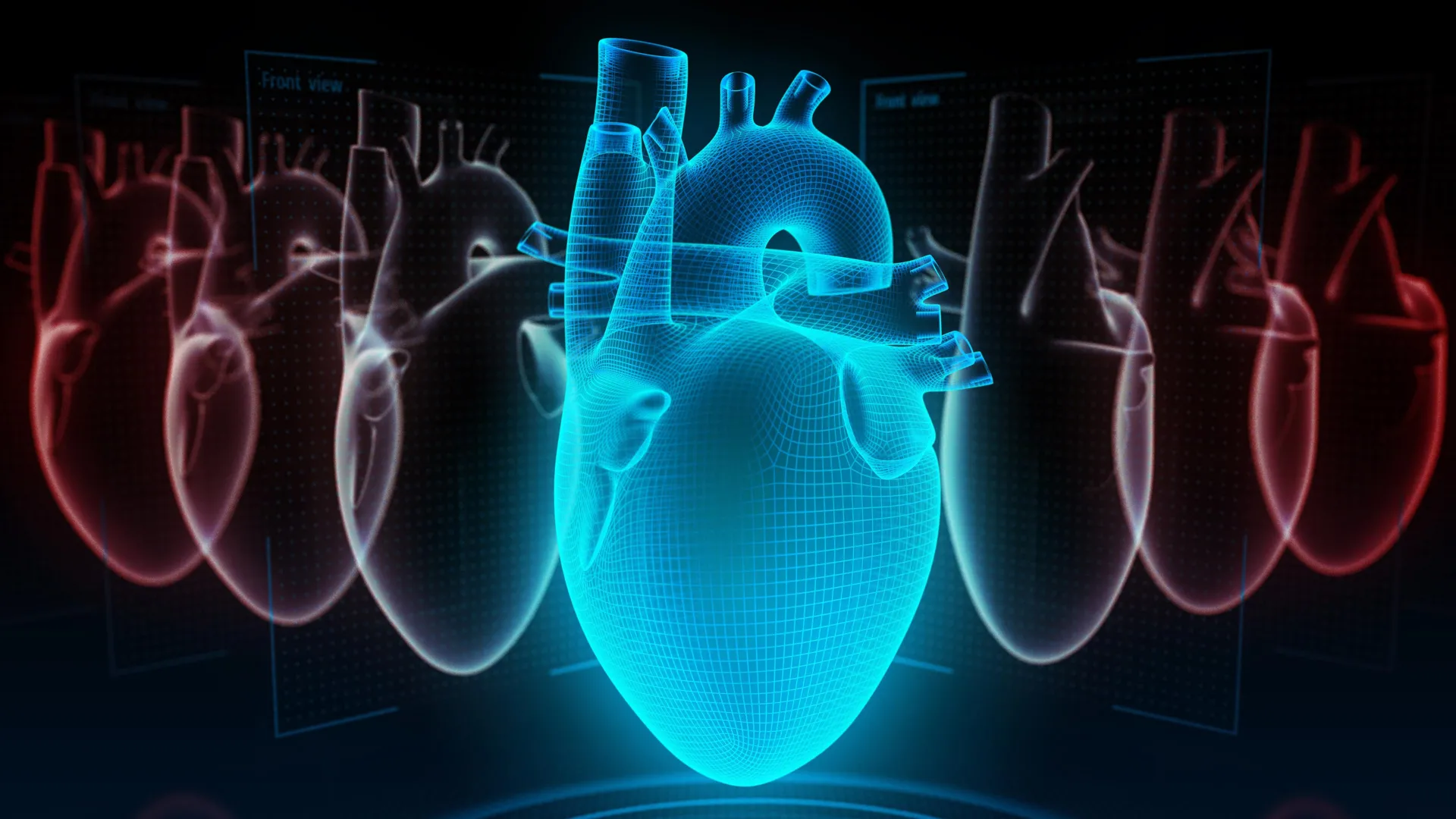
AI Model Outperforms Doctors in Predicting Cardiac Arrest Risk
Table of Contents
technology can save lives and reduce unnecessary interventions.">
A groundbreaking artificial intelligence (AI) model is showing remarkable promise in predicting which patients are most likely to experience cardiac arrest,exceeding the accuracy of traditional methods used by doctors. This innovative technology could revolutionize cardiac care, potentially saving countless lives and preventing unnecessary medical interventions.
AI-Powered Heart Health Assessment
The key to the system’s success lies in its ability to analyze previously underutilized heart imaging data, combined with a comprehensive range of medical records. This allows the AI to uncover hidden insights into a patient’s heart health that might otherwise be missed.The federally funded research,spearheaded by Johns Hopkins University,has been published in Nature Cardiovascular Research.
Did You Know? Sudden cardiac arrest claims the lives of over 350,000 adults in the U.S. each year, according to the American Heart association.
According to Natalia Trayanova,a leading researcher in the field of AI in cardiology,the model’s precision can prevent premature deaths and reduce the number of patients living with defibrillators they don’t need. “We have the ability to predict with very high accuracy whether a patient is at very high risk for sudden cardiac death or not,” Trayanova stated.
hypertrophic Cardiomyopathy and AI Prediction
Hypertrophic cardiomyopathy,a prevalent inherited heart condition affecting approximately 1 in every 200 to 500 individuals globally,stands as a primary cause of sudden cardiac death,particularly among young individuals and athletes. While manny individuals with this condition lead normal lives, a subset faces a significantly heightened risk of sudden cardiac death. Identifying these high-risk patients has historically posed a considerable challenge for medical professionals.
Current clinical guidelines used in the united States and Europe to assess cardiac arrest risk have only about a 50% accuracy rate, a figure Trayanova likens to “not much better than throwing dice.” The new AI model, though, demonstrates a significant improvement across all demographics.
MAARS: A new Approach to Risk stratification
The AI model, named Multimodal AI for ventricular Arrhythmia Risk Stratification (MAARS), assesses an individual patient’s risk of sudden cardiac death by analyzing various medical data, including contrast-enhanced MRI images of the heart. This marks the first time that all the information contained within these images has been fully explored.
Patients with hypertrophic cardiomyopathy often develop fibrosis, or scarring, on their hearts, which increases their risk of sudden cardiac death. While doctors have struggled to interpret the raw MRI images, the AI model can pinpoint critical scarring patterns.
Pro Tip: Regular check-ups with a cardiologist are crucial for individuals with a family history of heart disease or those experiencing symptoms such as chest pain, shortness of breath, or palpitations.
“People have not used deep learning on those images,” Trayanova explained. “We are able to extract this hidden information in the images that is not usually accounted for.”
Superior Accuracy and Personalized Care
In tests involving real patients treated under traditional clinical guidelines at Johns Hopkins Hospital and Sanger heart & Vascular Institute, the AI model achieved an impressive 89% accuracy rate across all patients. Notably, it reached 93% accuracy for individuals aged 40 to 60, the demographic most at risk for sudden cardiac death among hypertrophic cardiomyopathy patients.
Furthermore, the AI model provides explanations for why patients are considered high risk, enabling doctors to tailor medical plans to their specific needs. This level of personalized care represents a significant advancement in cardiology.
Jonathan Crispin, a Johns Hopkins cardiologist and co-author of the study, emphasizes the transformative potential of the AI model: “Our study demonstrates that the AI model significantly enhances our ability to predict those at highest risk compared to our current algorithms and thus has the power to transform clinical care.”
Trayanova’s team previously developed a similar AI model in 2022 that offered personalized survival assessments for patients with infarcts, predicting the likelihood and timing of cardiac arrest.
The team intends to further evaluate the new model on a larger patient cohort and broaden the algorithm’s application to encompass other heart conditions, including cardiac sarcoidosis and arrhythmogenic right ventricular cardiomyopathy.
| Method | Overall Accuracy | Accuracy (Ages 40-60) |
|---|---|---|
| AI Model (MAARS) | 89% | 93% |
| Clinical Guidelines | 50% | 50% |
How could AI revolutionize preventative cardiac care in the future? What ethical considerations should guide the development and deployment of AI in healthcare?
The Future of AI in Healthcare
The integration of AI in healthcare is rapidly evolving, with applications ranging from diagnostics and treatment planning to drug finding and personalized medicine. As AI models become more sophisticated and data-driven, they hold the potential to transform various aspects of healthcare delivery, improving patient outcomes and reducing costs. However, it’s important to address ethical considerations and ensure responsible development and deployment of these technologies.
Frequently Asked Questions About Cardiac Arrest Prediction
What is the difference between AI and machine learning?
AI (artificial intelligence) is a broad concept referring to the ability of machines to perform tasks that typically require human intelligence. Machine learning is a subset of AI that involves training algorithms to learn from data without explicit programming.
How can I reduce my risk of cardiac arrest?
Maintaining a healthy lifestyle, including regular exercise, a balanced diet, and avoiding smoking, can significantly reduce your risk of cardiac arrest.Regular check-ups with a cardiologist are also essential, especially if you have a family history of heart disease.
Disclaimer: This article provides general information and should not be considered medical advice. Consult with a qualified healthcare professional for any health concerns or before making any decisions related to your health or treatment.
Share this article and let us know your thoughts in the comments below. Subscribe to World Today News for more updates on groundbreaking advancements in science and technology!
