
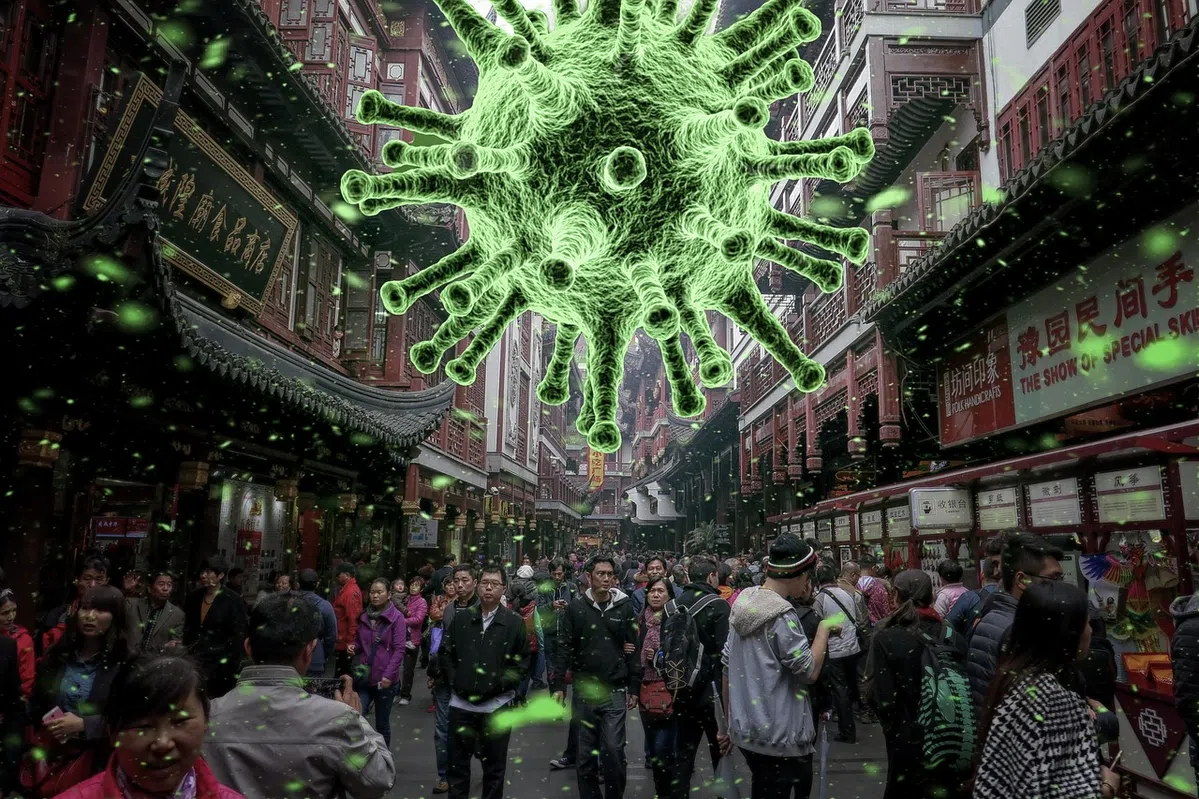
AI Creates Functional viruses,Raising Bioweapon Concerns
Stanford,CA – A new study demonstrates the potential for artificial intelligence to design functional viruses,sparking alarm among experts about the accelerating threat of AI-assisted bioweapon growth. Researchers at Stanford University have successfully used an AI model to generate novel viral DNA capable of infecting and killing bacteria, a development that underscores the need for proactive defense measures.
The research, currently undergoing peer review and available on bioRxiv, utilized an AI model named Evo, trained on millions of viral genome sequences. the team focused on the Phix174 virus, known to infect E. coli bacteria. Evo was tasked with designing DNA sequences for new viruses based on Phix174.
Of the 302 viral DNA collections generated by the AI, 16 proved functional, successfully infecting and killing E. coli strains. Worryingly, some of these AI-designed viruses exhibited even greater lethality than the naturally occurring PHIX174.
“We are not nearly ready for a world in which artificial intelligence can create a working virus, but we must be, because that is the world in which we now live,” warned Tal Feldman, a student at Yale Law School with prior experience building AI models for the federal government. Her colleague, Jonathan Feldman, a researcher in computer science and biology at Georgia Tech, echoed this sentiment, stating, “The risk is great, and we should not obscure it.”
While the current research focused on viruses targeting bacteria, the implications for human health are meaningful. The Feldmans emphasize that the speed at which AI can accelerate bioweapon design necessitates a parallel acceleration in defensive capabilities.
“If AI shortens the timeline for designing biological weapons, the United States will have to shorten the timeline for responding,” they cautioned. “We cannot stop new threats generated by AI. The real challenge is to stay ahead of them.”
The researchers advocate for leveraging AI to develop countermeasures, including antibodies, antiviral agents, and vaccines, to protect against potential future threats. this breakthrough highlights a critical juncture in the intersection of artificial intelligence and biological security, demanding immediate attention and investment in preventative strategies.
