
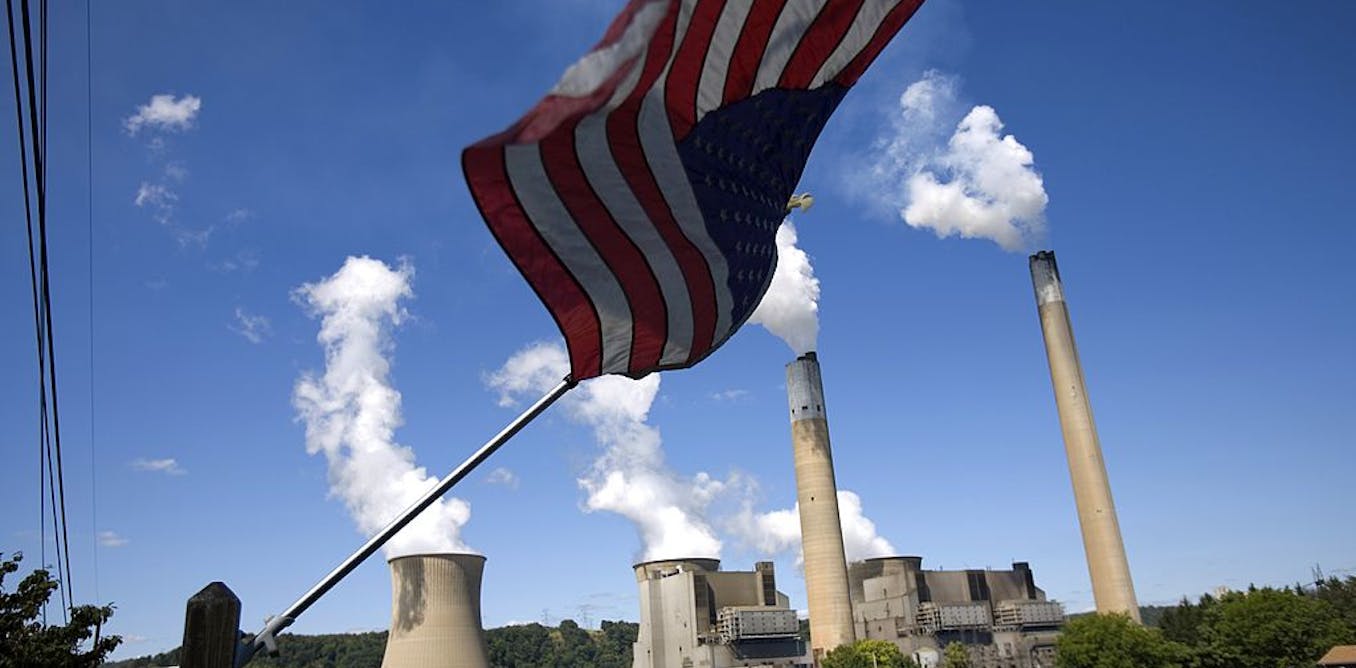
A surge in demand for electricity from artificial intelligence data centers is testing the limits of Pennsylvania’s aging power grid, with the Pittsburgh region emerging as a focal point. Last month, the Allegheny County Airport Authority approved plans for a massive hyperscale data center near Pittsburgh International Airport, a project poised to consume significant power and further strain local infrastructure, as reported by 90.5 WESA.
Pennsylvania’s appeal to data center developers stems from a combination of factors: existing industrial sites ripe for repurposing, a skilled workforce, and a dense population that generates demand for localized computing power. The state is now facing an estimated $90 billion in AI, energy, and data center projects, according to Technical.ly. However, this rapid growth presents a significant challenge to a grid largely designed for slower, more predictable increases in energy consumption.
Unlike typical commercial or industrial energy users, large data centers require massive and continuous power supplies. A single modern facility can consume as much electricity as tens of thousands of homes. AI-focused data centers are particularly energy-intensive, relying on high-performance computers operating constantly, a distinction from data centers that handle fluctuating workloads like website hosting or file storage.
The core issue isn’t simply the amount of electricity, but the timing of the demand. Utilities typically plan infrastructure upgrades years in advance, while data center developers often expect power connections within months. This disconnect has already led to delays and rejections of interconnection requests in other regions, as utilities struggle to guarantee reliable service without substantial investment. Pennsylvania’s grid, with its aging infrastructure, is particularly vulnerable to these pressures.
Grid stress manifests not only in widespread blackouts, but also in more subtle ways: voltage fluctuations, equipment overheating, and prolonged recovery times following disruptions. These issues are exacerbated in regions like Pittsburgh, which are experiencing increasingly frequent extreme weather events. A strained grid has limited capacity to absorb sudden surges in demand, amplifying the risk of outages, as highlighted by research on power grid resilience.
The situation in Indianapolis, where neighborhoods served by the same grid experienced outages during major weather events, serves as a cautionary tale. Concentrated power demand in a single area can create a domino effect, where a single equipment failure triggers cascading disruptions. Pittsburgh shares similar structural vulnerabilities – high utility demand, older substations, and limited space for grid expansion – raising the stakes for the region.
A central question facing utilities and regulators is how to allocate the cost of necessary grid upgrades. Traditionally, these costs are spread across all customers. However, when upgrades are driven by a tiny number of large consumers, like data centers, that approach becomes contentious, potentially leading to higher bills for residential customers who don’t directly benefit from the new infrastructure. Some states, including Virginia, Oregon, Ohio, Minnesota, and Illinois, are exploring solutions such as requiring developers to contribute more upfront, while Pennsylvania and Missouri are considering special tariffs for large power users, as noted by The Conversation.
Pennsylvania is in the early stages of this debate, and the decisions made now will have significant implications for electricity prices and the future location of data centers. Proactive planning, including advanced forecasting tools that identify potential bottlenecks and targeted upgrades, can mitigate the risks. Encouraging data centers to adopt more flexible power consumption strategies – such as on-site generation, battery storage, or shifting non-critical tasks to off-peak hours – can also buy valuable time and reduce strain on the grid.
The challenges facing Pennsylvania are not isolated. The state sits at the center of a regional grid serving the mid-Atlantic and Midwest, meaning reliability issues can ripple outward, particularly during extreme weather events. The rapid growth of AI and its associated data centers represents a fundamental shift in electricity demand, requiring a reevaluation of grid modernization, cost allocation, and resilience strategies. The response from Pennsylvania, and other states grappling with similar issues, will shape the national conversation on these critical infrastructure challenges.
