
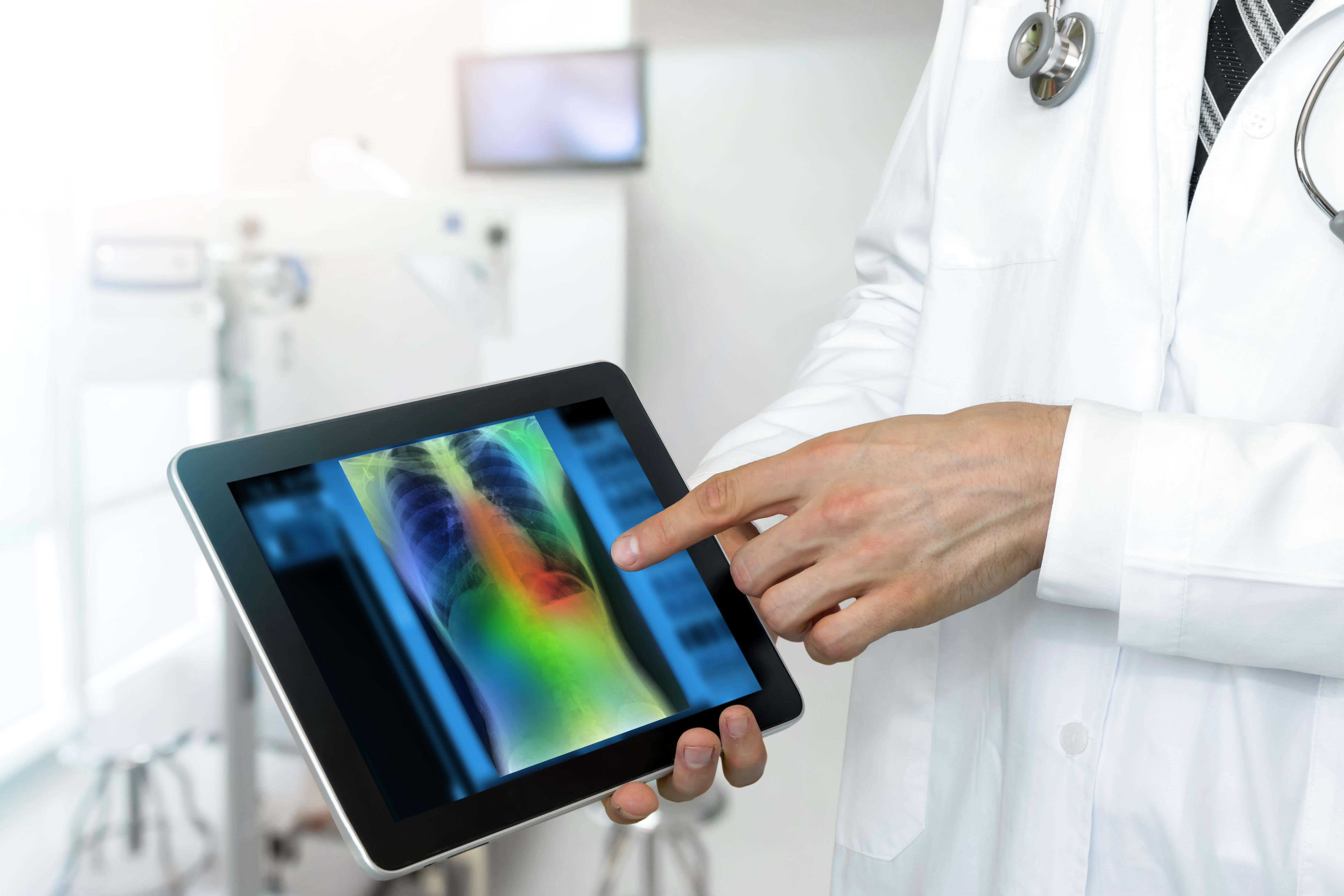
AI Detects Depression Through Facial Micro-Expressions, New study Finds
New york, NY - Artificial intelligence is showing promise in teh early detection of depression, according to groundbreaking research published this week in Scientific Reports. The study reveals that AI can analyze subtle, often imperceptible, micro-movements in facial expressions to identify patterns consistent with depressive symptoms – even before clinical signs manifest.
This development offers a potential pathway for proactive mental health intervention, notably in settings like schools, universities, and workplaces. Researchers believe the technology could facilitate earlier diagnosis and support, ultimately improving outcomes for individuals struggling with mental well-being.
The study, led by Associate Professor Eriko Sugimori of Waseda University in Japan, utilized the AI system OpenFace 2.0 to analyze 10-second self-introduction videos of 64 undergraduate students. The AI tracked movements in facial muscles, identifying consistent patterns among students reporting subthreshold depression – a state characterized by depressive symptoms that don’t meet the full criteria for a clinical diagnosis.
“Our novel approach of short self-introduction videos and automated facial expression analysis can be applied to screen and detect mental health…,” explained Professor Sugimori. “As concerns around mental well-being have been rising, I wanted to explore how subtle non-verbal cues, such as facial expressions, shape social impressions and reflect mental health using artificial intelligence-based facial analysis.”
Specifically, the AI identified increased frequency in muscle movements related to the inner brow raiser, upper lid raiser, lip stretcher, and mouth-opening actions in participants experiencing subthreshold depressive symptoms. These micro-expressions, often missed by the human eye, provide a quantifiable marker for potential mental health concerns.
Implications and Future Research
While still in its early stages, this research highlights the growing potential of AI in mental healthcare. The ability to identify individuals at risk before the onset of full-blown depression could revolutionize preventative care.
Though, experts caution that this technology is not intended to replace traditional diagnostic methods.Instead, it should be viewed as a supplementary tool to aid clinicians in identifying individuals who may benefit from further evaluation and support.
Further research is needed to validate these findings across diverse populations and to address ethical considerations surrounding the use of AI in mental health assessment. The study authors emphasize the importance of responsible implementation, ensuring privacy and avoiding potential biases in the technology.
Keywords: Artificial Intelligence, AI, Depression, Mental Health, Facial Recognition, Early detection, Technology, Scientific Reports, Waseda University, Micro-expressions.
