
“`html
AI Revolutionizes Art Restoration, Speeding Up Process by 66x
Table of Contents
technology is preserving cultural heritage and saving museums money.">
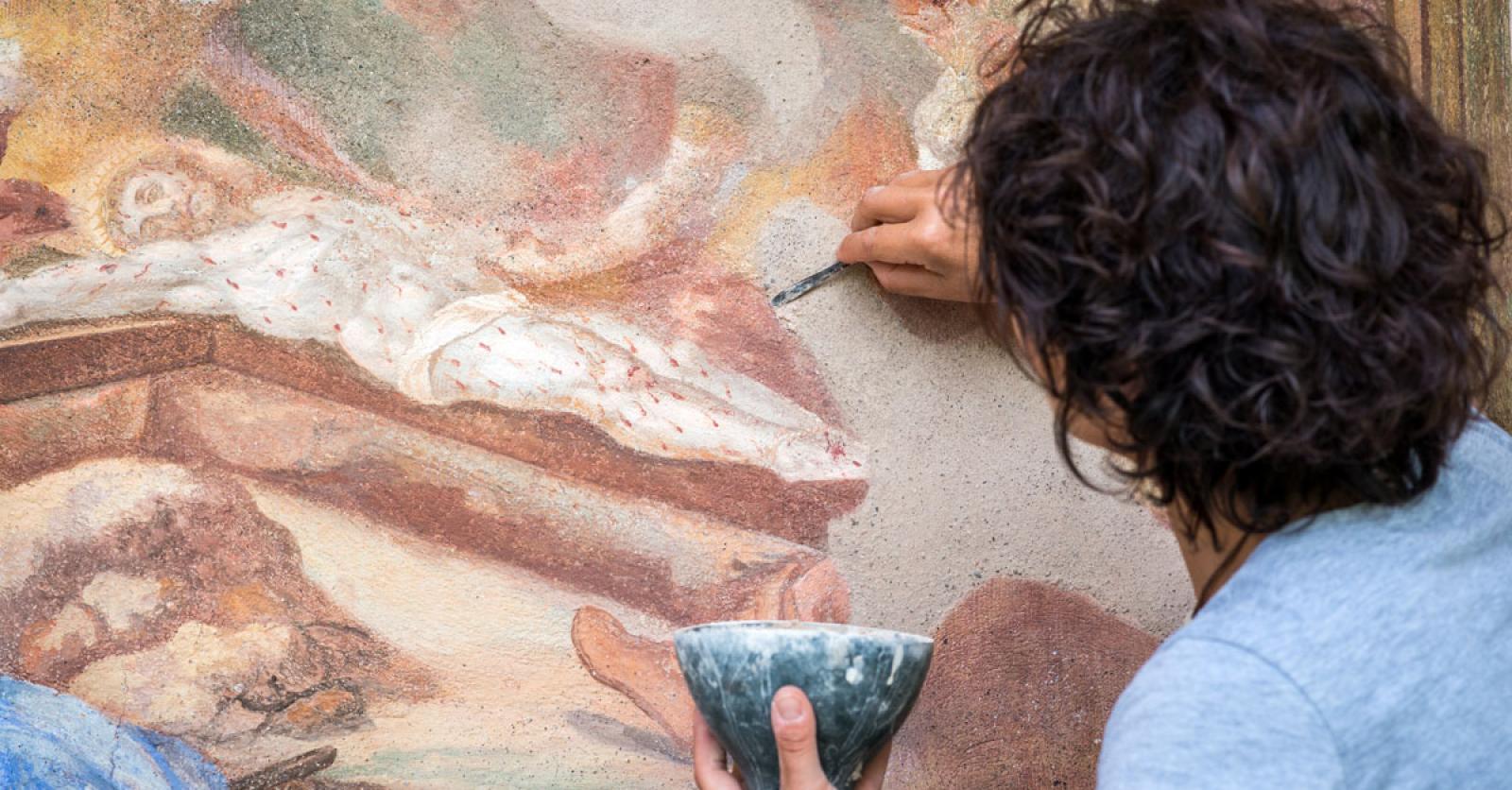
Artificial intelligence (AI) is poised to transform the world of art conservation, offering the potential to dramatically reduce the time and expense associated with restoring damaged paintings. A new method developed by MIT engineer alex Kachkine can accelerate the restoration process by up to 66 times, potentially rescuing countless artworks from museum storage [1].
The Promise of AI in Art Conservation
Currently, a notable portion of museum-owned paintings remain unseen by the public due to the high costs and lengthy timelines of traditional restoration. Kachkine’s AI-driven approach offers a solution by significantly reducing the time required for tasks such as filling in damaged areas. For example, the fill-in process for a badly damaged fifteenth-century painting took only 3.5 hours using AI, compared to an estimated 232 hours for a human restorer.
Did you Know? The global art market reached $65 billion in 2023, highlighting the economic and cultural importance of preserving artworks [2].
How AI Art Restoration Works
The AI-assisted restoration process involves several key steps:
- Damage Analysis: A thorough assessment of the painting’s condition.
- Stabilization and Cleaning: Preparing the artwork for restoration.
- AI-Driven Restoration: Using AI to fill in lost or damaged sections based on digital scans and comparisons with othre works by the same artist.
- Human Oversight: Ensuring accuracy and ethical considerations are met.
A digital scan of the artwork is taken, and AI algorithms fill in missing or damaged parts. Human control remains essential to correct any errors in the digital image. The corrected digital image is then compared with the original work, and a mask consisting of two thin transparent films with printed ink is generated. The top layer contains color, while the bottom layer provides a white surface for color clarity.
In cases where sections are severely damaged, the AI analyzes other works by the same artist to reconstruct the missing elements. As an example, in Kachkine’s research, the damaged head of Baby Jesus in a painting was reconstructed using AI based on comparable works by the same painter.
Ethical Considerations and Limitations
AI-driven restoration adheres to ethical principles, minimizing alterations to undamaged areas.Any rework remains visible to provide transparency about what is original and what has been restored. the AI also considers the meaning of different types of damage, avoiding changes to minor imperfections. Pigment provisions,visible signs,and pentimenti (overpaintings by the original artist) are typically not restored.
Though, this technology is not universally applicable. Certain paintings with unique structures or styles may not be suitable for AI restoration. The reason for restoration can also influence AI’s employability. Karen Bonne, a
