Africa’s Green Transition: Development, Resilience & a New Financial Path
ABIDJAN – Despite accounting for less than 4% of global greenhouse-gas emissions, Africa is bearing the brunt of the climate crisis. The Belém Package – the set of climate-finance and adaptation measures adopted at the United Nations Climate Change Conference (COP30) in Brazil in November 2025 – acknowledged that the world can no longer design climate solutions for Africa without meaningful African input, marking a shift in policymaking.
For years, the continent has moved from the periphery of the climate-finance debate to the forefront, recognizing that its path to net-zero emissions must foster development, not constrain it. Rather than replicating old patterns of dependency, African countries are focused on industrialization, trade, and growth while forging a low-carbon future.
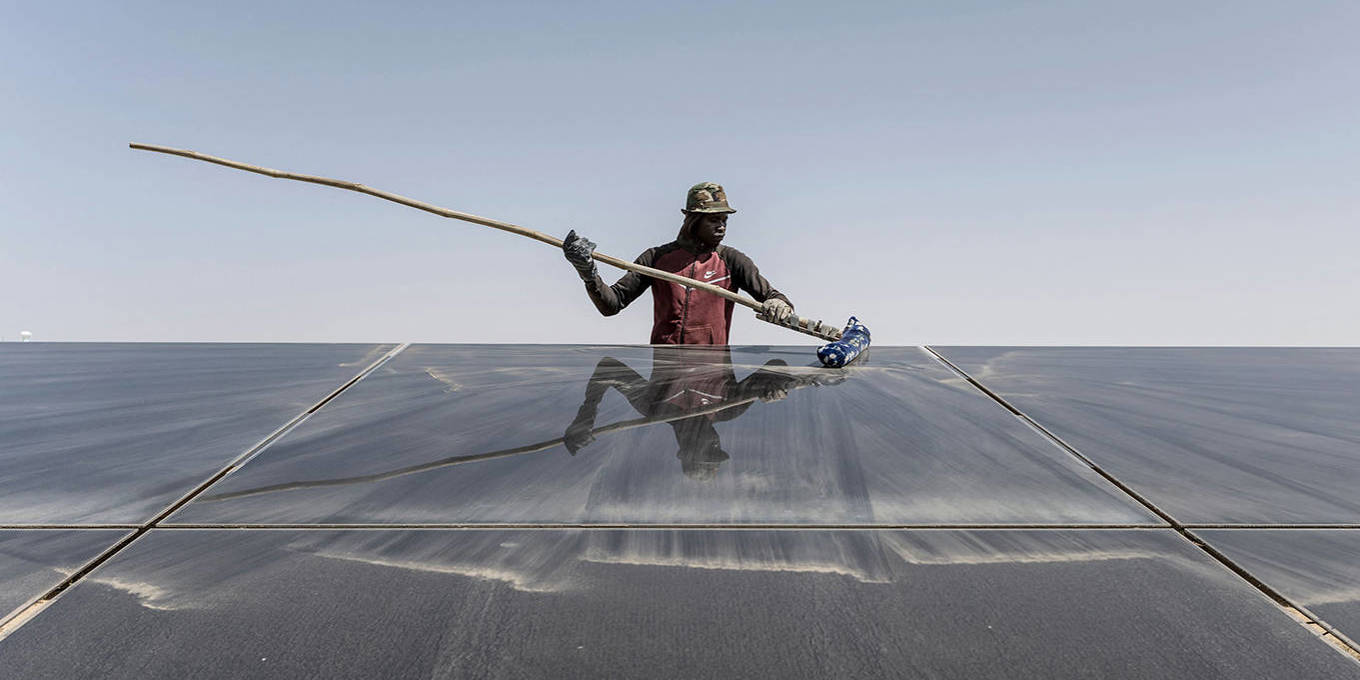
The inaugural ESG report by the African Export-Import Bank (Afreximbank), released during COP30, reflects this shift, finding that African institutions are already taking steps to support the continent’s economic development and climate ambitions. The report highlights a range of practical instruments, such as the Climate Change Adaptation Finance Facility, designed to mobilize sustainable investments. These instruments are supporting projects like solar installations in Cameroon and providing stable power to Nigerian businesses, demonstrating how decentralized clean energy can underpin Africa’s industrialization and economic competitiveness.
Facilities such as the Africa Trade Transformation Fund are also intended to address the continent’s twin challenges of a heavy debt burden and climate vulnerability. The innovative Africa Trade Trust Fund exemplifies project-driven instruments critical to scaling up climate investment. Effective climate action in Africa, yet, is inseparable from economic sovereignty and trade, requiring localized green value chains, low-carbon manufacturing hubs, and climate-resilient infrastructure.
The question now is whether the global financial system can adjust to this new reality. As Africa builds the necessary institutions for a sustainable future, advanced economies must honor their commitments by fully funding the Loss and Damage Fund, easing access to concessional finance, and treating Africa as an equal trading partner. The Belém Package acknowledged the existing imbalance, but correcting distorted risk perceptions and the resulting high credit spreads will be key to unlocking private capital at concessional rates.
African institutions are responding by developing de-risking tools and blended finance models, including concessional windows and trust funds, to attract private capital. This is effectively building the infrastructure for global investment, directing it toward projects that advance both climate and development goals. Africa faces a staggering financing gap of $1.6 trillion to achieve the UN Sustainable Development Goals by 2030, underscoring the misalignment between the global financial system and the continent’s needs.
Africa’s economic transformation will depend on technology transfer and capacity building, essential to the projects Afreximbank and its partners are financing. Solar farms, for example, become part of a future electricity grid, stimulate local component manufacturing, and train a new generation of engineers. Nigeria’s Aba Integrated Power Project, delivering stable, clean gas power to compact businesses, tackles emissions, boosts productivity, and strengthens local value chains.
This integrated approach reinforces the case for treating climate finance as development finance, answering the question raised by many COP30 attendees: How can economies become both climate-resilient and globally competitive? The answer lies in linking environmental progress with economic strength. Systemic obstacles remain, but African institutions are already pursuing a just green transition that drives industrialization, leverages local energy resources, expands trade, and integrates markets, creating one of the defining growth opportunities of the 21st century and laying the groundwork for global climate resilience.