
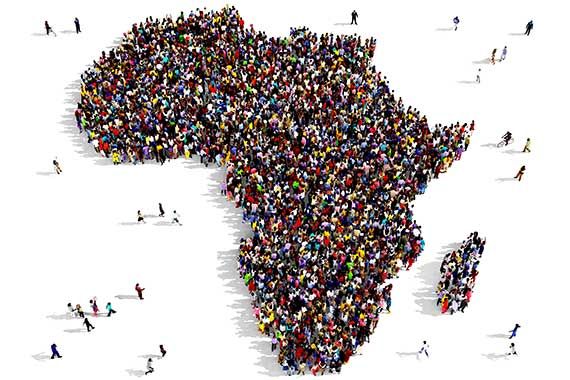
Lagos, Nigeria – United Bank for Africa (UBA) Plc launched a new banking and investment platform on February 24, 2026, targeting the African diaspora and aiming to redirect remittance flows towards long-term investment within the continent. The initiative, unveiled at UBA’s global headquarters in Lagos, represents a shift from traditional diaspora banking focused on money transfers to a more comprehensive financial ecosystem.
For decades, remittances to Africa have steadily increased, exceeding $100 billion annually. In 2024, Nigeria alone received $21 billion in remittances, with projections climbing to $23 billion. These inflows often surpass foreign direct investment and official development assistance in several African nations, accounting for roughly 6 percent of Africa’s gross domestic product. Even as, historically, these funds have largely been used for consumption, family upkeep, and limited property purchases.
UBA’s new platform, themed “Beyond Banking: Powering the Global African Lifestyle,” seeks to address this gap by converting remittances into structured investments. The bank has partnered with leading financial institutions including United Capital, Africa Prudential, UBA Pensions, Afriland Properties, Heirs Insurance Group, and Avon Healthcare Limited to offer a range of investment opportunities.
“For decades, Africa’s engagement with its diaspora has focused largely on remittances,” said Anant Rao, UBA’s Head of Diaspora Banking. “Today, we are moving beyond that. This platform represents a transition from simple money transfers to a financial ecosystem where Africans globally can bank, make payments, invest, protect their families, and build long-term wealth seamlessly.”
The platform is designed to facilitate wealth creation, protection, and long-term prosperity for Africans living and working worldwide, as well as those within the continent. UBA intends to redefine diaspora banking by offering a holistic approach that extends beyond basic remittance services.
The launch of the platform is viewed as a strategic recalibration of how Africa engages its global citizens, aiming to tap into the significant financial resources of the diaspora for sustainable economic development. The initiative seeks to transform remittances from short-term inflows into a long-term financial architecture for the continent.
