Afghan Women’s Struggle Under Five Years of Taliban Rule
Five Years of Educational Exile for Millions
Five years after the Taliban regained control of Afghanistan, 2.4 million girls remain affected by a ban on schooling past the sixth grade, according to figures released by UNESCO. The policy forms part of an ultra-conservative governance model that UN Women has characterized as the normalization of the exclusion of women and girls from public and economic life.
Silent Resistance Behind Anonymity
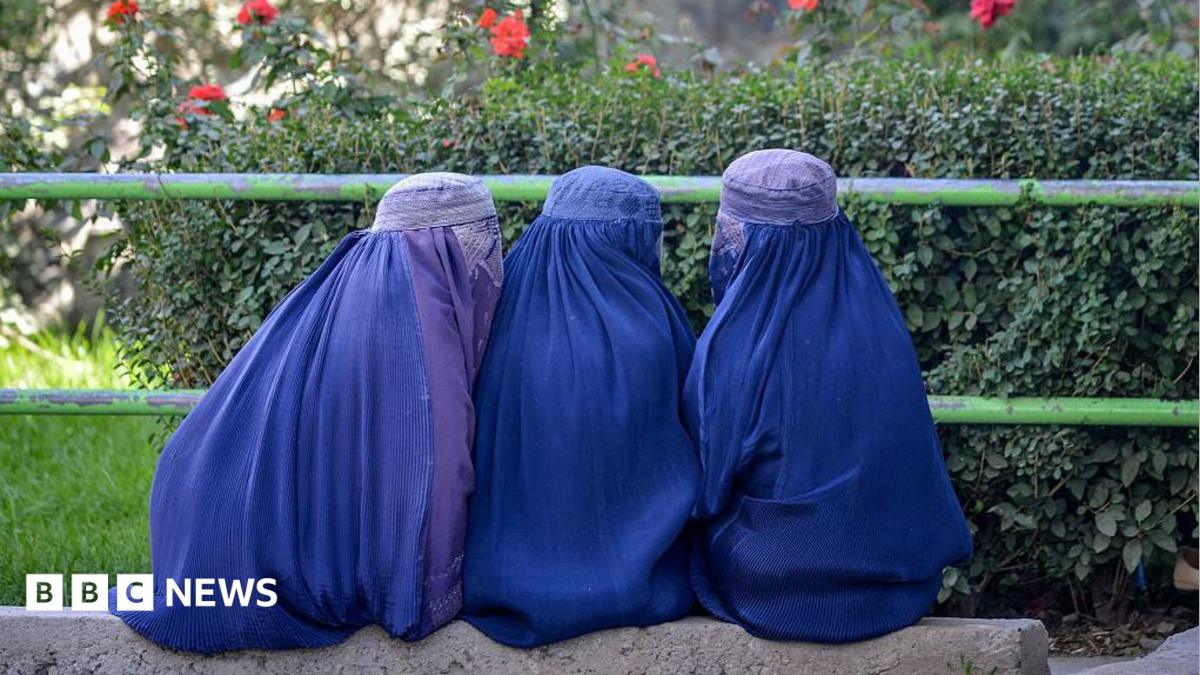
The BBC reported Friday that Afghan women across various professions—including students, jewelry makers, former journalists, and midwives—are continuing to share accounts of their daily lives under the administration. According to the broadcaster, many of these individuals must conceal their identities using pseudonyms to avoid reprisals.
Sweeping Bans Across Classrooms and Workplaces
Under the rules enforced since the 2021 takeover, girls are barred from attending educational institutions after approximately age 12, corresponding to grade six. Women are additionally prohibited from pursuing higher education at universities and face exclusion from numerous employment sectors.
Public Parks, Gyms, and the Label of Gender Apartheid
According to BBC chief international correspondent Lyse Doucet, reporting from the country, the restrictions extend into daily public spaces, barring women from visiting public parks and gym facilities. Despite these barriers, Doucet notes that many women and girls maintain a determination to continue learning and working, a situation some observers describe as “gender apartheid.”

Global Documentation and Ongoing Diplomatic Review
Global bodies continue to document the impact of these policies on Afghan society. UN Women emphasized that the ongoing restrictions target basic human rights, while international advocates point to human rights frameworks like the Convention on the Elimination of All Forms of Discrimination Against Women (CEDAW) to press for accountability.