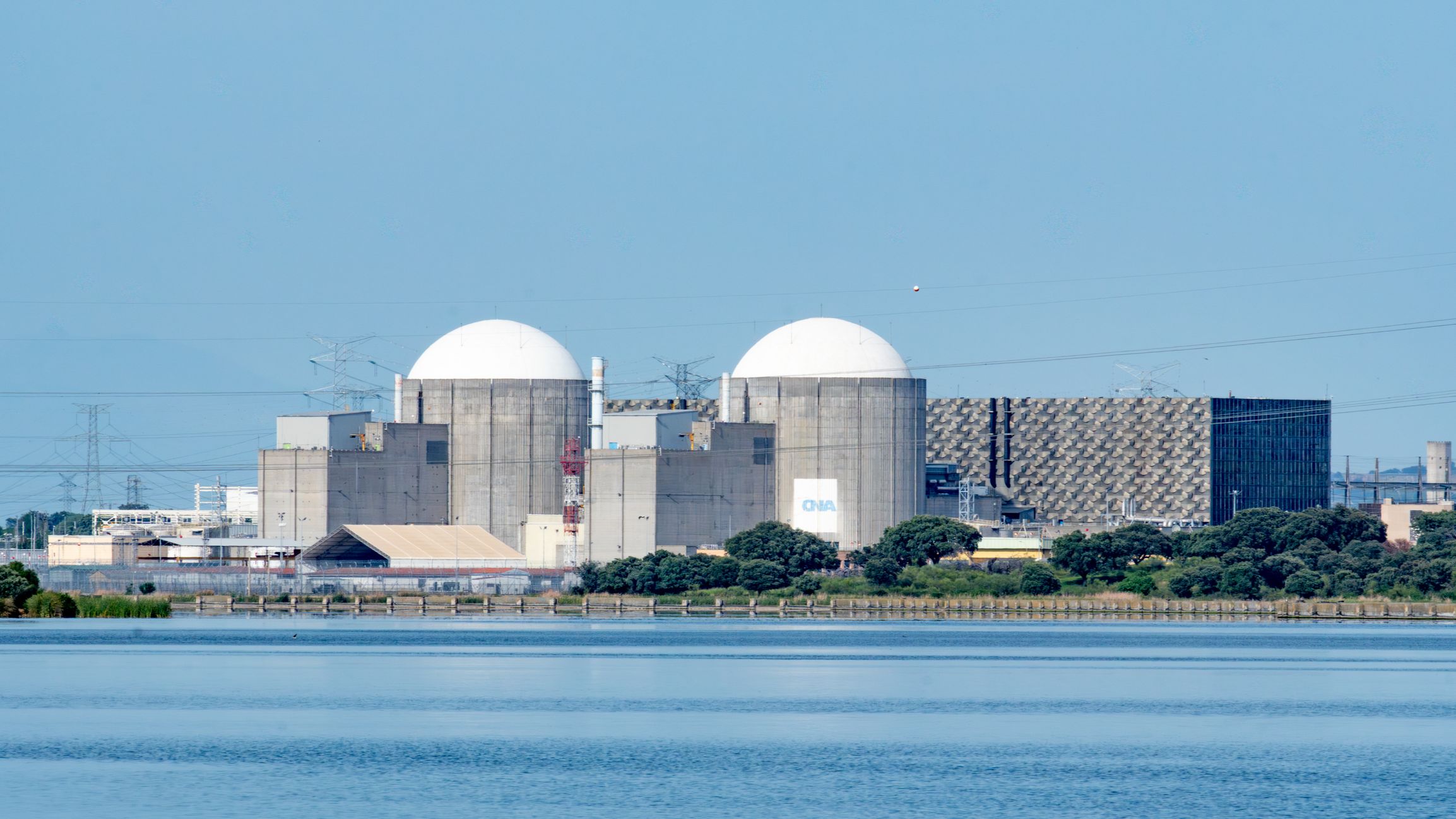
Spanish Government Extends Almaraz Nuclear Plant Life Until 2030
<>
The Spanish government has officially extended the operating license of the Almaraz nuclear power plant in Cáceres until June 2030, reversing a prior closure schedule that targeted 2027 and 2028. According to reports from RTVE, El País, and El Español, the Ministry for Ecological Transition published the ministerial order in the Official State Gazette (BOE), following safety approvals from the Nuclear Safety Council (CSN).
The Shift in Energy Policy and the Almaraz Timeline
For years, the national framework maintained that the nuclear phase-out schedule approved under the 2019 National Integrated Energy and Climate Plan (PNIEC) was unchangeable. However, according to coverage by ABC and El Confidencial, mounting political pressure from the Extremadura region, thousands of local residents dependent on the Almaraz-Trillo facility, and joint requests from plant owners Iberdrola, Endesa, and Naturgy forced a reversal. The new ministerial order revokes previous authorizations that would have shut down reactor one in November 2027 and reactor two in October 2028.
Energy Minister Sara Aagesen previously tied any operational extensions to three strict conditions: confirmed technical safety from the CSN, no imposition of extra fiscal measures creating consumer overcosts, and guaranteed supply stability. With the CSN issuing a favorable safety report on July 17 confirming that both reactors meet the required standards for another five years of operation, and energy firms dropping demands for tax reductions, the executive faced limited political alternatives.
Regional Economic Impacts and Infrastructure Stability
The local economy in Cáceres relies heavily on the steady employment and municipal revenues generated by the Almaraz plant. The sudden shift avoids a sharp disruption to regional tax bases and labor markets. Industrial stakeholders and municipal leaders point out that unexpected grid pressures, including challenges highlighted by instability events, demonstrated the vital role that baseline generation assets play in national grid reliability.
Uncertainty Ahead for Spain’s Remaining Fleet
Despite granting the Almaraz extension, the executive maintains that future extensions depend entirely on proactive requests from plant operators. According to coverage in ABC, the government insists it will not initiate license renewals unilaterally for other reactors across the country. With upcoming national elections on the horizon, opposition parties like the People’s Party (PP) have signaled plans to actively advocate for a broader restructuring of the nuclear phase-out calendar.

As energy markets grapple with ongoing fuel price volatility and supply uncertainties, the temporary reprieve granted to Almaraz highlights the delicate balancing act between long-term decarbonization goals and immediate grid security.
The publication of the BOE order closes an intense chapter of regulatory brinkmanship, but it opens a broader debate over how Spain will power its industrial centers in the decade ahead.