
Life Disrupted: The Impact of Internet Blackouts on afghan Women and Girls
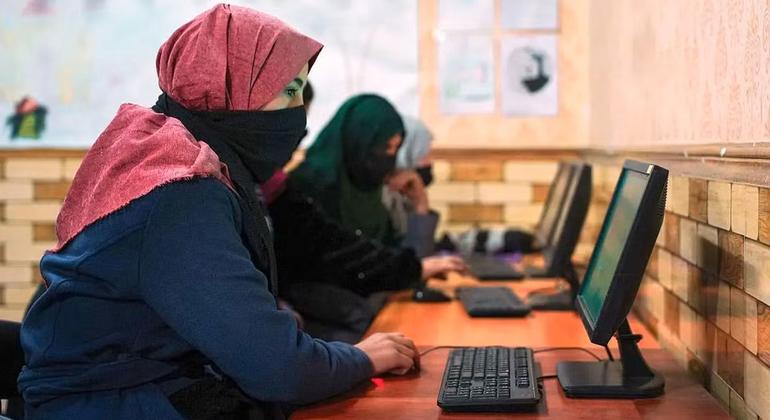
For Afghan women and girls already facing significant restrictions – including bans on attending schools and universities – access to the internet has become a vital lifeline. However, recent events demonstrate how fragile that connection is, and the devastating consequences when it’s severed.
On September 30th, the Taliban authorities imposed a nationwide internet and phone blackout in Afghanistan, impacting crucial services like Radio Femme, a station providing alternative education to women and girls with lessons in subjects ranging from math to science, delivered by eight teachers. The sudden disruption effectively took Radio Femme off the air, highlighting the vulnerability of this critical educational resource.
The blackout is just one example of the escalating challenges facing women in Afghanistan, compounded by an earthquake in the east, a drought in the north, and the return of millions of refugees. “It is another crisis on top of the existing crisis.It is indeed utterly unnecessary for this kind of interruption to take place, and the impact is going to be on the lives of Afghan people,” stated Arafat Jamal, Country Representative for the UN Refugee Agency (UNHCR).
The internet provides a rare opportunity for Afghan women to participate in the economy,build businesses,and achieve financial independence. sama, an Afghan woman interviewed by UN Women, explained, “Through my online shop, I became well known. I’m earning money,solving my financial problems,and becoming self-sufficient.”
However, the internet blackout resulted in Sama, like manny others, losing her sole source of income overnight. UN Women reports that internet and phone blackouts disproportionately affect women and girls in Afghanistan, “eliminating what is, for many, a final means of learning, earning, and connecting.”
While internet access has largely been restored, the incident serves as a stark reminder that this vital gateway to education, expression, and services is not guaranteed. According to UN Women, women’s education, mental health, and livelihoods remain at stake, vulnerable to future disruptions in the digital space.
