
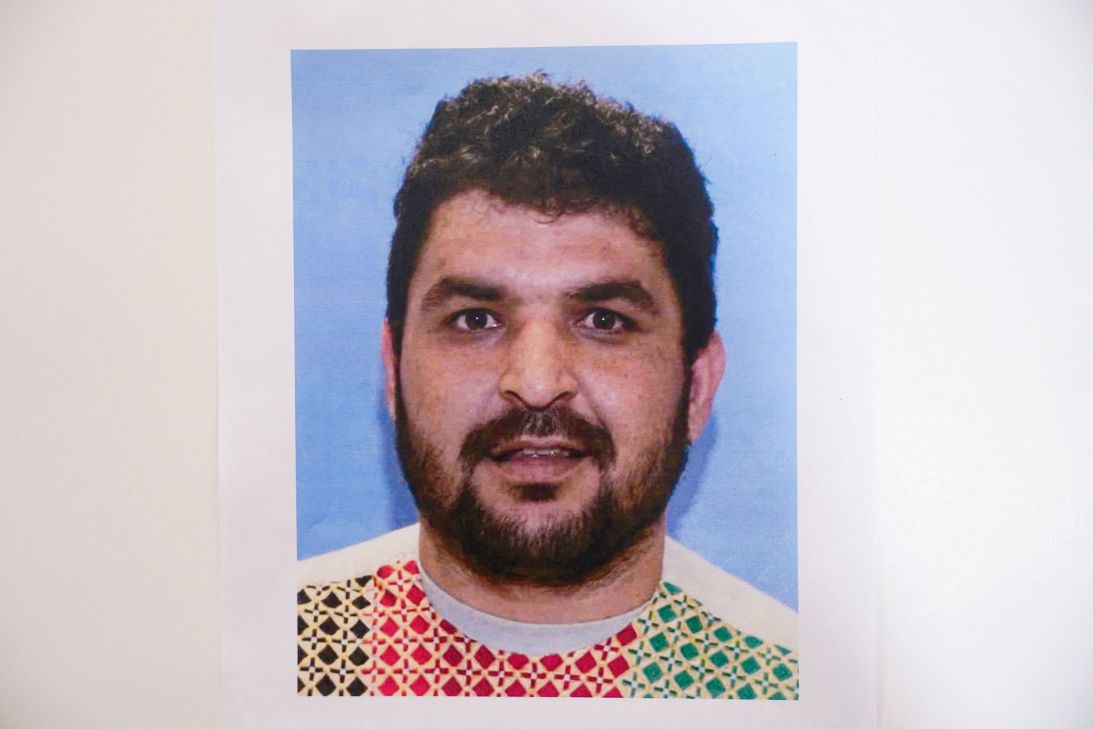
Afghan Vetting Process Halted Indefinitely After National Guard Shooting
WASHINGTON – The Department of Homeland Security (DHS) has indefinitely paused processing all immigration requests related to Afghan nationals as the Biden and trump administrations review security and vetting protocols following a shooting involving a member of the D.C.National Guard. The move comes amid heightened scrutiny of the vetting process for Afghans who were evacuated to the United States following the Taliban takeover in 2021.
The pause impacts all pending applications and represents a significant shift in policy, raising concerns for Afghan applicants and advocates who have long awaited resolution on their immigration cases. DHS is also undertaking a thorough review of all asylum cases approved under the Biden administration, signaling a broader tightening of immigration policies. This action follows a June presidential proclamation identifying 19 countries of concern, including Afghanistan, which triggered increased scrutiny of applicants from those nations.
USCIS referred CNN to the June proclamation when asked for details on which countries were considered “of concern.” The 19 countries listed are Afghanistan, Burma, Chad, Republic of the Congo, Equatorial Guinea, Eritrea, Haiti, Iran, Libya, Somalia, Sudan, Yemen, Burundi, Cuba, Laos, Sierra Leone, Togo, Turkmenistan and Venezuela.
“Effective immediately,processing of all immigration requests relating to Afghan nationals is stopped indefinitely pending further review of security and vetting protocols,” DHS Assistant Secretary Tricia McLaughlin said in a statement to CNN. “The Trump Administration is also reviewing all asylum cases approved under the Biden administration.”
The renewed focus on vetting procedures underscores ongoing national security concerns related to the large-scale evacuation of Afghans and the challenges of thoroughly screening individuals in a crisis situation. The shooting, which involved a National Guard member assigned to assist with the resettlement of Afghan evacuees, has fueled calls for stricter vetting measures from some lawmakers and security officials.
