AfDB Grants Nigeria $200 Million to Expand Broadband and Digital Infrastructure
Nigeria is securing a $200 million loan from the African Development Bank (AfDB) to launch the BRIDGE project. This strategic initiative aims to expand broadband access, deploy massive fiber optic networks, and install 1,000 new telecom towers in rural regions to bridge the digital divide and stimulate national economic growth.
The digital divide in Nigeria is not merely a technical glitch; it is a systemic economic bottleneck. For the continent’s largest economy, the inability to synchronize rural productivity with urban digital hubs creates a fragmented market that deters high-value foreign direct investment. By injecting $200 million into high-speed connectivity, the AfDB is attempting to catalyze a “digital leapfrog,” allowing Nigeria to bypass legacy infrastructure hurdles and integrate its agrarian and rural heartlands into the global digital economy.
This is a high-stakes pivot. In a world where data is the primary currency of trade, Nigeria’s move to “fiberize” its interior is a prerequisite for any meaningful expansion of its fintech and e-commerce sectors. However, the ambition of the BRIDGE project exists in a precarious tension with the country’s crumbling physical infrastructure.
The Architecture of Connectivity: The BRIDGE Project
The BRIDGE project is designed to dismantle the barriers to entry for rural connectivity. The deployment is not just about adding capacity, but about expanding the physical reach of the internet to the most underserved populations. The core components of the loan’s application include:
- Massive Fiber Optic Deployment: The installation of high-capacity fiber cables to ensure high-speed broadband reaches beyond the metropolitan centers of Lagos and Abuja.
- Rural Tower Expansion: The construction of 1,000 new telecom towers, specifically targeting rural zones to eliminate “dead zones” that currently stifle local commerce.
- Broadband Accessibility: A concerted effort to lower the cost of connectivity for the end-user by increasing the overall supply of bandwidth.
To execute a rollout of this magnitude, the Nigerian government and its partners must navigate a logistical minefield. Multinational telcos and contractors are increasingly relying on vetted infrastructure project managers to oversee the deployment of towers in remote terrains where security and logistics remain volatile.
“Digital transformation is no longer an option for African economies; it is the primary engine for inclusive growth and the only way to ensure that rural populations are not left behind in the fourth industrial revolution.”
The Infrastructure Paradox: Digital Ambition vs. Physical Decay
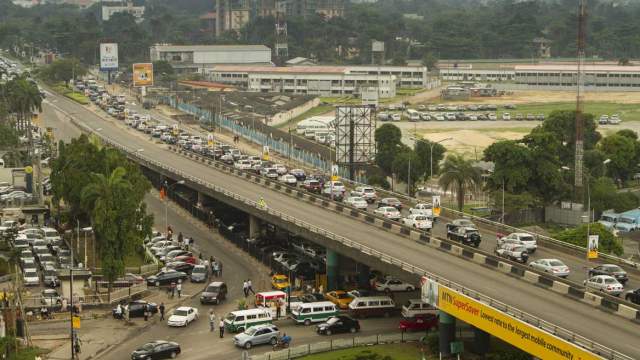
There is a jarring contradiction in Nigeria’s current developmental trajectory. While the state secures millions for digital “invisible” infrastructure, its physical arteries are in a state of crisis. The sheer scale of the gap is illustrated by the Third Mainland Bridge in Lagos, where repair costs have soared to a staggering 3.6 trillion naira. This disparity suggests a strategic shift: the government is betting on digital connectivity to drive growth while struggling to maintain the basic concrete foundations of its trade routes.
The struggle is not limited to the mega-cities. In Kwara, bridge projects valued at N1.2 billion remain abandoned despite their significant economic potential. This pattern of “start-stop” infrastructure development creates a volatile environment for international investors. When physical bridges are abandoned but digital networks are funded, the result is a “disconnected connectivity”—where a farmer may have high-speed internet to sell a crop but no functional road to transport that crop to a shipping port.
This volatility makes the role of international financial advisors critical. Managing a $200 million AfDB loan requires a level of fiscal transparency and rigorous oversight to ensure that these funds do not vanish into the same void that swallowed the Kwara bridge projects.
Environmental Volatility and the Risk to ROI
The deployment of fiber optics and telecom towers does not happen in a vacuum. Nigeria’s geography is increasingly defined by climate instability. Recent devastating floods have killed more than 600 people and severely slowed the shipment of essential goods. For a digital infrastructure project, these floods represent a systemic risk.

Fiber optic cables and tower foundations are vulnerable to soil erosion and flooding. If the BRIDGE project fails to integrate climate-resilient engineering, the $200 million investment could be physically washed away. The slowdown in shipments of essentials caused by these floods further emphasizes the fragility of the supply chain required to bring in the specialized hardware needed for the 1,000 new towers.
global firms are now urging the onboarding of elite risk management consultants to conduct deep-dive environmental impact assessments before breaking ground on rural digital hubs. The goal is to harden the infrastructure against the inevitable shocks of the West African rainy season.
Macro-Economic Ripple Effects and Global FDI
From a geopolitical perspective, the AfDB’s investment is a signal to the global market. By stabilizing Nigeria’s digital backbone, the bank is effectively lowering the “risk premium” for tech companies looking to enter the West African market. High-speed broadband is the entry requirement for cloud computing, AI-driven agriculture, and remote healthcare—sectors that attract significant World Bank and private equity interest.
However, the success of this loan depends on the synergy between digital and physical logistics. The global economy does not move on bits and bytes alone; it moves on ships and trucks. The current crisis of the Third Mainland Bridge and the rural abandonment of roads in Kwara act as a drag on the potential ROI of the BRIDGE project. For the digital expansion to translate into GDP growth, the physical logistics must be synchronized.
The relationship between the AfDB and the Nigerian state is one of catalytic dependency. The AfDB provides the capital, but the Nigerian state must provide the stability and the physical security to protect these assets. If Nigeria can successfully pair this digital surge with a renewed commitment to physical infrastructure, it will solidify its position as the undisputed digital hegemon of the region.
The Nigerian chessboard is shifting. The move toward a digitized rural economy is a bold strategic play, but it remains haunted by the ghosts of abandoned concrete and the threat of rising waters. For the global corporate entity, the opportunity is immense, provided they can navigate the gap between the high-speed fiber and the broken bridge. To navigate these complexities, firms must secure the right partners—from legal experts to technical consultants—available through the World Today News Directory, ensuring their investments are as resilient as the networks they intend to build.