
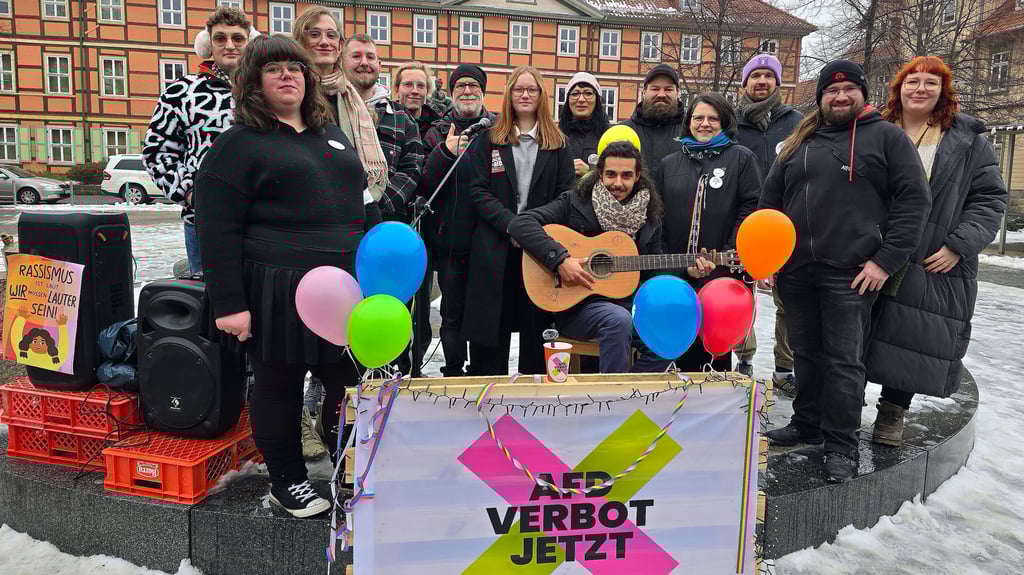
Wernigerode, Germany – Organizers of a recent petition drive calling for a ban of the Alternative for Germany (AfD) party are facing a barrage of online abuse, according to reports. The initiative, which collected 354 signatures on Saturday, February 6th, 2026, at Wernigerode’s Nicolaiplatz, has triggered a significant backlash on social media, particularly on Facebook.
The “AfD-Verbot jetzt!” (AfD-Ban Now!) campaign saw citizens gather to express their concerns following the German domestic intelligence agency’s classification of the AfD as a right-wing extremist organization. Participants stated that political debate alone was no longer sufficient to address the party’s influence, as reported by MDR Sachsen-Anhalt Heute.
However, the public display of support for a ban has been met with intense hostility online. According to the Volksstimme, the Facebook page of the Harzer Volksstimme newspaper received over 2,000 comments on a post regarding the action day, many of which were described as “spöttisch bis offen beleidigend” – ranging from sarcastic to openly insulting – directed at the organizers.
The organizers have not yet publicly detailed how they are responding to the online harassment. The incident highlights the increasingly polarized political climate in Germany, particularly in the state of Sachsen-Anhalt, where the AfD currently leads in opinion polls ahead of state elections scheduled for later this year.
The demonstration in Wernigerode is part of a broader movement gaining momentum in Germany. Similar initiatives are emerging across the country, reflecting growing anxieties about the AfD’s rising popularity and its potential impact on German democracy. The debate over whether to ban the party continues, with proponents arguing It’s a necessary step to protect democratic values and opponents raising concerns about the potential for the ban to be legally challenged and potentially backfire, bolstering support for the AfD.
The situation in Sachsen-Anhalt is particularly sensitive, as the state has develop into a focal point for right-wing extremism in Germany. The AfD has made significant gains in the region in recent years, capitalizing on discontent with mainstream political parties and anxieties about immigration and economic inequality.
As of February 11th, 2026, the AfD leadership has not issued a public statement regarding the online attacks against the petition organizers or the broader movement calling for a ban. The state elections in Sachsen-Anhalt are scheduled to take place in approximately seven months, and the outcome is expected to have significant implications for the future of the AfD and the political landscape in Germany.
