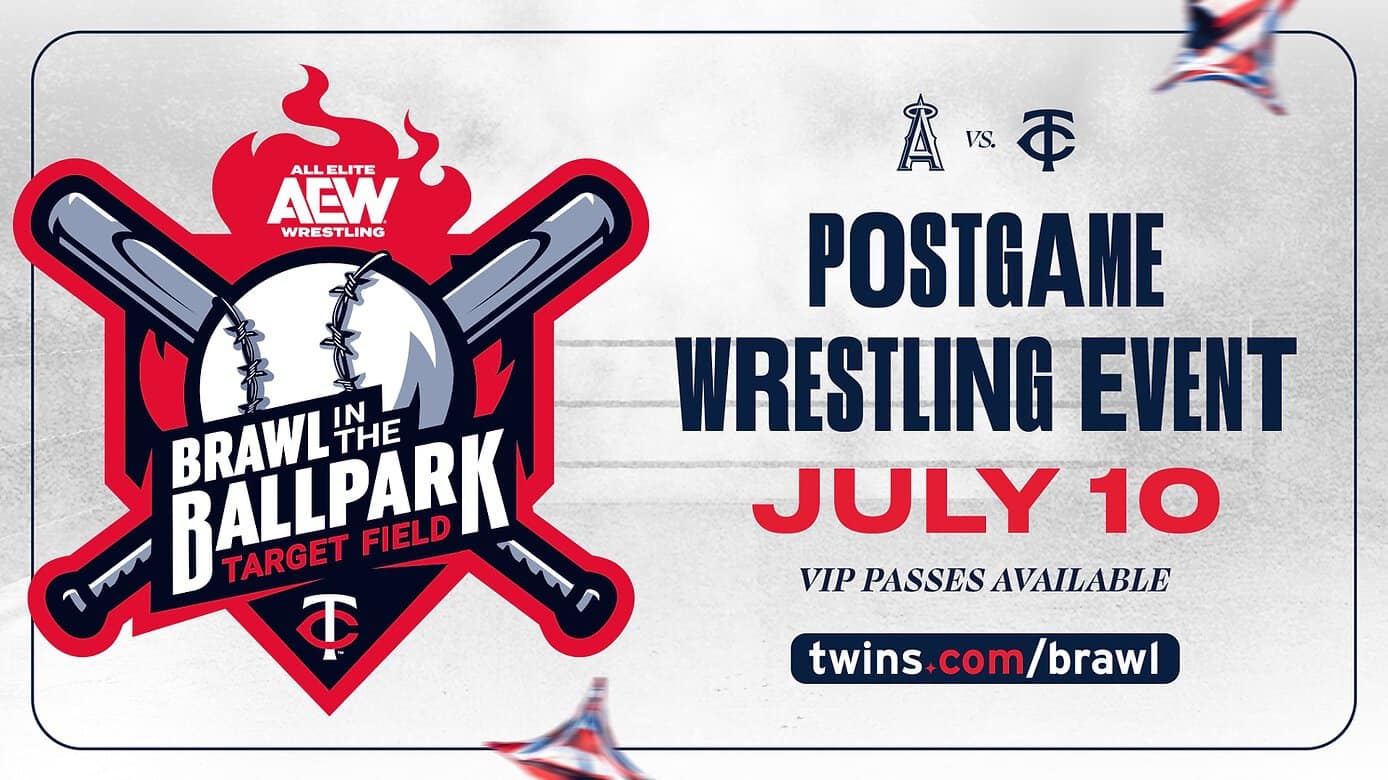
AEW x Minnesota Twins: Brawl in the Ballpark 2026 – First-Ever Wrestling Event at Target Field
AEW and the Minnesota Twins will host “Brawl in the Ballpark,” a live postgame wrestling event at Target Field in Minneapolis on Friday, July 10. This historic partnership marks the first time a Major League Baseball franchise has collaborated with AEW for an in-stadium live event, featuring talent from both AEW and Ring of Honor.
The Strategic Pivot: Maximizing Asset Utilization at Target Field
As the MLB season enters its critical mid-summer stretch, the intersection of professional wrestling and baseball represents a sophisticated move in venue optimization. The announcement of “Brawl in the Ballpark” is not merely a promotional stunt. This proves a calculated attempt to extend the lifecycle of a single day’s stadium operations. By layering a high-energy AEW and Ring of Honor talent showcase onto a scheduled Twins game, the organization is effectively targeting a dual-demographic audience, maximizing the utility of the Target Field infrastructure well after the final out is recorded.

From a front-office perspective, this move addresses the inherent “dead time” in stadium economics. Once a baseball game concludes, the immediate drop-off in spectator presence typically leads to a sharp decline in ancillary revenue. By integrating a postgame wrestling event, the Minnesota Twins are creating a secondary revenue window that captures both the traditional baseball fan and the dedicated professional wrestling enthusiast. This strategy mirrors the broader trend in sports business where franchises seek to transform from single-use venues into multi-purpose entertainment hubs capable of sustained engagement throughout the evening.
The logistical execution of such an event requires precision. Transitioning a professional baseball diamond into a wrestling arena involves significant coordination between stadium operations and event producers. Managing the footprint of the ring, the lighting requirements for a televised-style production, and the movement of crowds necessitates specialized regional event security and premium hospitality vendors to ensure a seamless transition from the diamond to the ring.
Economic Multipliers and the Minneapolis Hospitality Sector
The economic implications for the Minneapolis metropolitan area extend far beyond the gates of Target Field. Large-scale, cross-disciplinary sporting events act as significant economic catalysts for local hospitality and service industries. When a Major League Baseball team partners with a global entity like AEW, the resulting influx of out-of-town spectators creates a surge in demand for regional lodging, dining, and transportation services.
This “halo effect” is a cornerstone of modern sports-led urban development. The scheduling of “Brawl in the Ballpark” on a Friday night in July strategically targets the peak summer tourism window, ensuring maximum absorption by the local economy. For the host city, the success of such a partnership is measured not just in ticket sales, but in the total spend per capita across the regional ecosystem. The complexity of these multi-party agreements—involving MLB franchises, wrestling promotions, and municipal stakeholders—also places a premium on entertainment law and sports contract specialists to navigate the intricacies of intellectual property and venue liability.
| Revenue & Operational Driver | Standard MLB Game Window | Brawl in the Ballpark (Postgame) |
|---|---|---|
| Primary Revenue Stream | Ticket Sales & Concessions | Postgame Ticket Sales & Merchandising |
| Venue Asset Utilization | Approx. 3-Hour Window | Extended Evening Occupancy |
| Audience Engagement | Baseball Demographic | Mixed Sports & Entertainment Audience |
| Operational Complexity | Standard Game Day Protocol | High-Intensity Production Transition |
Logistical Rigor and Talent Synergy
The decision to feature talent from both AEW and Ring of Honor suggests a high-value card designed to maximize spectator retention. For the fans, the crossover appeal provides a depth of talent that single-promotion events often lack. For the business entities involved, it allows for a broader reach across different segments of the professional wrestling market.

However, the physical demands of such a high-impact event cannot be overlooked. The transition from a baseball environment to a high-intensity wrestling production places unique stresses on both the venue and the performers. While the professional athletes involved have access to elite-level training and support, the broader implications for athlete safety and venue management are significant. In any high-impact sporting environment, the availability of sports medicine and physical therapy centers remains a critical component of the local infrastructure to manage the physical toll of professional competition.
As we look toward July 10, the industry will be watching to see if this model of “sports-plus” entertainment becomes a standard operating procedure for Major League franchises. If “Brawl in the Ballpark” successfully bridges the gap between the diamond and the ring, it will provide a blueprint for how legacy sports organizations can diversify their portfolios and deepen their connection to modern, multi-faceted entertainment audiences.
The evolution of the sports landscape requires more than just talent on the field; it requires a robust network of professional service providers to manage the legal, medical, and logistical complexities of a globalized industry. To ensure your organization is prepared for the next shift in sports business, explore the World Today News Directory to connect with vetted professionals across all sectors of the sports and entertainment economy.
Disclaimer: The insights provided in this article are for informational and entertainment purposes only and do not constitute medical advice or sports betting recommendations.