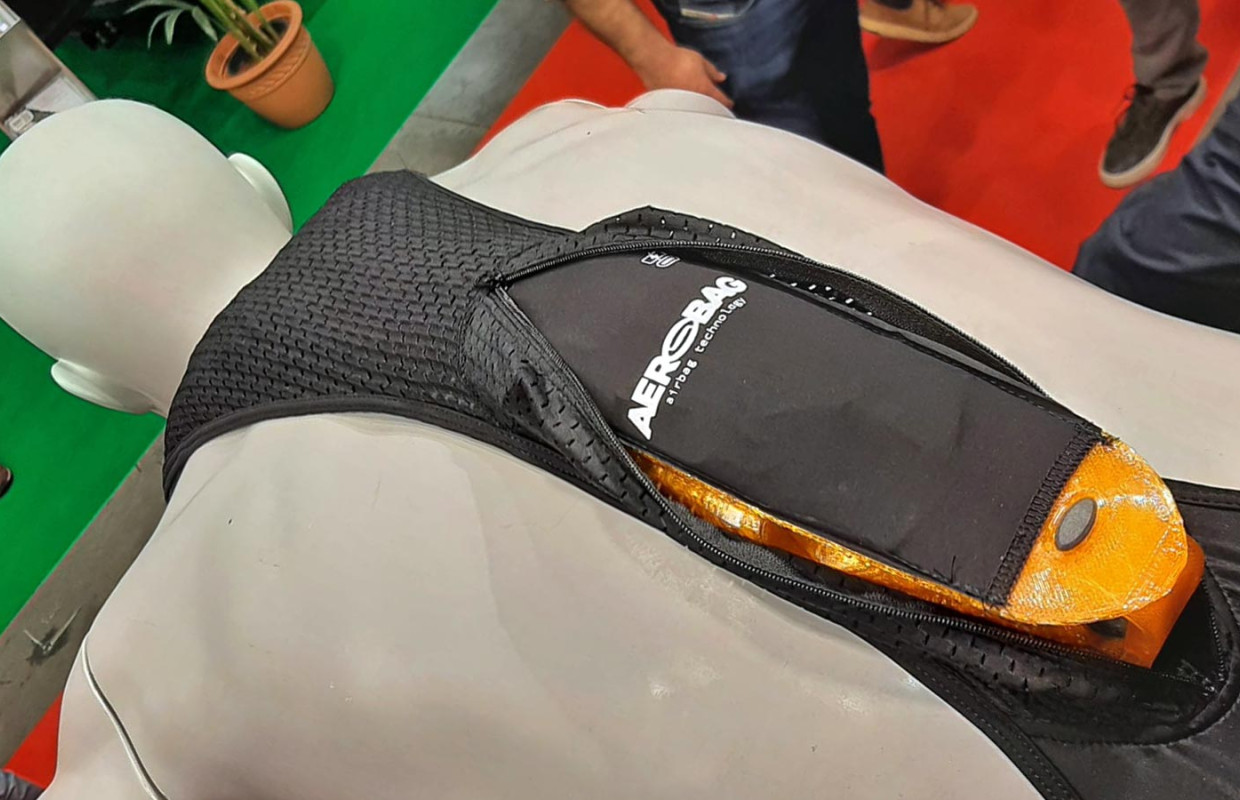
Aerobag Cycling Safety System Named One of TIME’s Best Inventions of 2026
“You are sending athletes down the road at 60, 70, 90k an hour in lycra, and that was it,” according to Aerobag co-founder Quinton Van Loggerenberg. That stark reality birthed a wearable safety airbag named one of TIME magazine’s 300 best inventions of 2026.
Origins in Tragedy and Six Years of Engineering
The project traces its origins back to the 2019 Tour de Polande and the death of young Belgian rider Bjorg Lambrecht. That fatal accident drove developer Bert Celis and his team to seek a supplementary protection system beyond standard helmets.
Over a six-year development cycle, the engineering team focused on preventing catastrophic injuries without penalizing athletic performance through excessive weight or aerodynamic drag. The result is a system developed in Belgium and featured in the sports and fitness category of TIME’s annual selection, as en.brujulabike.com reported.

Aerobag Sensors Detect Crashes to Deploy Inflatable Protection
Fitted into the straps of bib shorts, the Aerobag device relies on nine sensors scanning body dynamics 200 times per second to detect crash anomalies. It deploys an inflatable structure in 100 milliseconds to protect the neck and torso before folding back into place so the rider can continue racing, as Cyclingnews detailed.
The small module housing the electronics and CO₂ cartridge sits on the rider’s back, and the system remains reusable after deployment simply by replacing the spent cartridge. WorldTour outfits including Team Picnic PostNL and Team Visma-Lease a Bike have tested the technology during training sessions in 2026, alongside kit manufacturers such as Nalini, Nimbl, and MOA.
Competing Solutions in a Rapidly Evolving Market
Van Loggerenberg told Cyclingnews that the catalyst for the project was sending athletes down the road at high speeds in lycra following the accident of Bjorg Lambrecht. At the same time, competing safety solutions have entered the market. These include a competition suit from Van Rysel developed with In&motion that deploys in approximately 60 milliseconds, and a 70-gram Soudal Quick-Step prototype from Castelli focused primarily on spine protection.
UCI Seeks Standards for Wearable Safety Technology
Official adoption across the professional peloton remains dependent on regulatory developments from cycling’s governing body. In February 2026, the International Cycling Union opened a formal consultation inviting manufacturers and technical institutes to establish clear standards for integrating wearable safety technology and protective apparel into both training environments and official competitions.
While mountain biking has already seen real-world validation of wearable airbag systems—such as Henri Kiefer utilizing a system during a crash at the Whistler DH World Cup—road cycling faces distinct aerodynamic and weight challenges that manufacturers continue to refine. Whether wearable airbags such as Aerobag will become permanent, widespread equipment in professional cycling is unclear.