Advocates Urge Lung Cancer Screening Expansion Beyond Smoking History
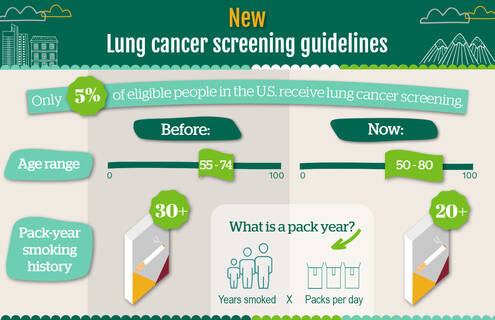
Lung cancer screening guidelines should expand beyond current smoking history requirements to account for risks including family history and radon exposure, health advocates argued following public discussions highlighted by national news reports.
- Current U.S. guidelines restrict annual low-dose CT scan screenings strictly to individuals who smoke or have smoked.
- Advocacy groups report that roughly half of the people who are diagnosed with lung cancer are not eligible for screening under present criteria.
- Experts point to international models, such as screening protocols in Taiwan, as evidence that tiered risk guidelines can improve early detection among nonsmoking populations.
Current Screening Restrictions Leave Nonsmokers Unprotected
Overall rates of lung cancer have dropped alongside declining smoking rates, yet the condition remains the most lethal form of the disease, according to NPR. In the United States, 125,000 individuals die from the disease annually. Under existing protocols, annual screenings via low-dose computed tomography scans remain restricted to individuals with a history of smoking. Nadia Litterman, director of the Susan Wojcicki Foundation, noted that this restriction excludes approximately half of all diagnosed patients. The foundation, a newly formed advocacy group focused on prevention and early detection, emphasizes that environmental chemical exposures and family history also drive high risk.
Smoking Stigma Delays Lung Cancer Detection for Nonsmokers
The persistent association between smoking and lung cancer creates social stigma that complicates early detection efforts. Nadia Litterman stated that the automatic assumption of smoking history often delays diagnostic clarity for nonsmokers. Susan Wojcicki, the former CEO of YouTube who died of the disease, never smoked. Litterman emphasized that anyone with lungs can develop the disease and that fewer than 20% of individuals currently eligible for screenings actually complete them.
Proposals for Tiered Guidelines and Expanded Access
Bryant Lin, a Stanford medicine professor, longtime advocate for screening improvements, and a patient with Stage 4 disease, acknowledged the logistical challenges of expanding testing to a vast nonsmoking population. Lin explained that establishing tiered guidelines and varying levels of evidence represents a realistic path forward. According to Lin, adopting similar tiered approaches in Taiwan successfully reduced lung cancer deaths. He suggested that until simpler diagnostic methods like blood tests become widely available, permitting CT scans for nonsmokers who present specific risk factors such as a family history would catch the disease earlier for a larger portion of the population.
Disclaimer: The information provided in this article is for educational and scientific communication purposes only and does not constitute medical advice. Always consult with a qualified healthcare provider regarding any medical condition, diagnosis, or treatment plan.