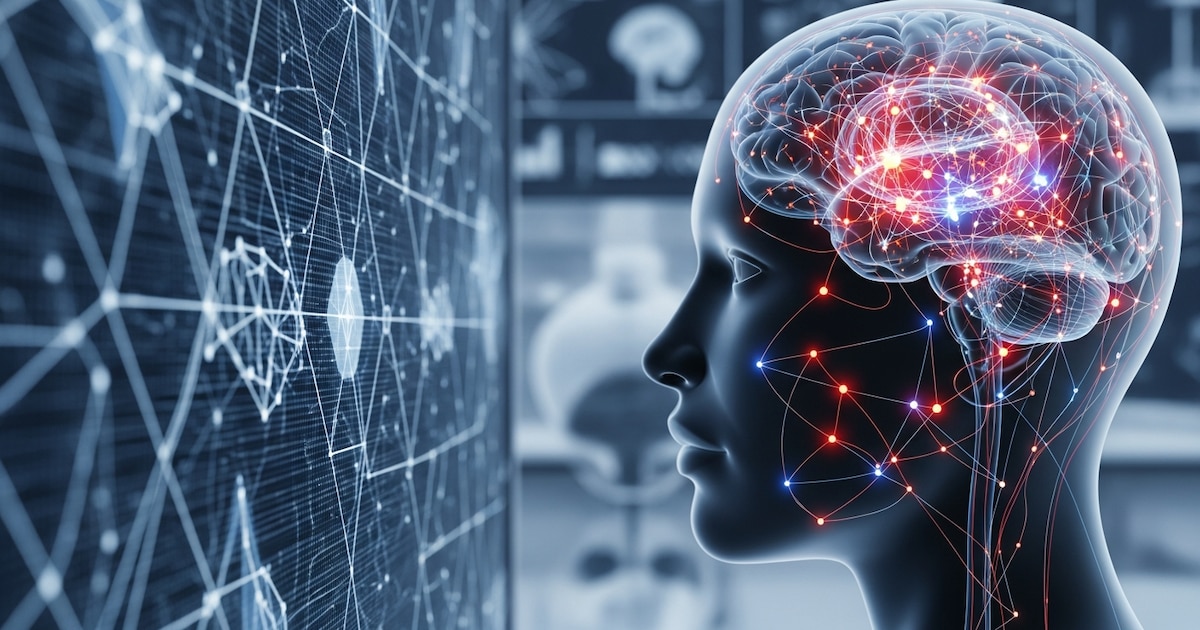
Advanced Motor Function Recovery Technique at Hospital Alemán Buenos Aires
The integration of neuromodulation into standard clinical practice represents a paradigm shift in the management of refractory motor disorders. At the Hospital Alemán in Buenos Aires, the implementation of “brain pacemakers”—clinically known as Deep Brain Stimulation (DBS)—is providing a critical lifeline for patients who have exhausted traditional pharmacological options.
Key Clinical Takeaways:
- Deep Brain Stimulation (DBS) utilizes implanted electrodes to modulate abnormal neural circuitry, restoring motor control in patients with severe neurological impairment.
- The procedure is specifically indicated for patients where the standard of care, such as levodopa therapy, no longer provides sufficient symptom control or induces debilitating side effects.
- Hospital Alemán in Buenos Aires has deployed cutting-edge surgical facilities to execute these high-precision interventions, focusing on the recovery of motor functions.
The pathogenesis of many movement disorders, including Parkinson’s disease and essential tremor, involves the dysfunction of the basal ganglia—a group of subcortical nuclei responsible for motor control. When these circuits become hyperactive or lose their regulatory balance, the result is a profound loss of autonomy, manifested as tremors, rigidity, and bradykinesia. For many, the morbidity associated with these conditions is not merely physical but psychological, as the loss of motor function leads to severe social isolation and a diminished quality of life.
Pharmacological interventions often serve as the first line of defense. However, long-term reliance on dopamine agonists can lead to the development of dyskinesias—involuntary movements that can be as disabling as the original symptoms. This clinical gap necessitates a surgical alternative that can provide stable, long-term symptom suppression without the volatility of oral medications.
The Biological Mechanism of Neuromodulation
Deep Brain Stimulation functions by delivering a continuous high-frequency electrical current to specific targets within the brain, most commonly the subthalamic nucleus (STN) or the globus pallidus internus (GPi). This electrical interference effectively “jams” the abnormal signaling patterns that cause motor dysfunction. Rather than destroying brain tissue—as was the case with older lesioning surgeries—DBS is reversible and adjustable, allowing clinicians to fine-tune the voltage and frequency to the patient’s specific needs.
The precision required for this procedure is absolute. Using stereotactic frames and intraoperative monitoring, surgeons must place electrodes with millimeter accuracy. The success of the intervention depends heavily on the surgical environment; the use of specialized neurosurgical centers equipped with high-resolution imaging is non-negotiable to minimize the risk of intracranial hemorrhage or incorrect lead placement.
“The transition from systemic pharmacological management to targeted neuromodulation allows us to address the circuitry of the brain directly, bypassing the systemic side effects that often limit the efficacy of traditional drugs.”
Clinical Efficacy and Comparative Outcomes
The decision to move toward surgical intervention is typically based on a rigorous patient selection process. Contraindications include significant cognitive impairment, unstable psychiatric conditions, or advanced dementia, as these factors can exacerbate the risks associated with intracranial surgery. For eligible candidates, however, the shift in quality of life is often dramatic.
Analyzing the efficacy of DBS compared to standard medical management reveals a distinct advantage in the stabilization of motor fluctuations. While medication provides a “peak and valley” effect, DBS offers a more consistent “plateau” of symptom control.
| Treatment Modality | Primary Mechanism | Impact on Motor Function | Primary Clinical Limitation |
|---|---|---|---|
| Pharmacological Therapy | Chemical modulation of neurotransmitters | Initial high efficacy; declines over time | Development of dyskinesias and “off” periods |
| Deep Brain Stimulation | Electrical modulation of neural circuits | Consistent reduction in tremors and rigidity | Requires invasive surgical implantation |
The evidence for DBS is well-documented in longitudinal research. According to data archived in PubMed, patients undergoing DBS often report a significant reduction in “off” time—the periods where medication fails to work—leading to a restoration of activities of daily living. This clinical outcome is the primary driver behind the adoption of these techniques at institutions like Hospital Alemán.
Navigating the Regulatory and Surgical Landscape
The deployment of these devices involves complex B2B coordination between medical device manufacturers, hospital procurement, and regulatory bodies. The introduction of novel-generation pulse generators requires strict adherence to international safety standards to prevent lead migration or infection at the implant site. For healthcare facilities expanding their neurosurgical capabilities, the regulatory burden is significant.

Managing the liability and compliance associated with implanting Class III medical devices often requires the expertise of healthcare compliance attorneys to ensure that surgical protocols meet both local and international mandates. This ensures that the innovation does not outpace the safety frameworks designed to protect the patient.
For patients currently struggling with the limitations of their current medication regimen, the first step is a comprehensive neurological evaluation. It is essential to consult with board-certified neurologists to determine if the specific pathology of their condition aligns with the indications for DBS. Not every patient with a movement disorder is a candidate, and a multidisciplinary approach—involving a neurologist, a neurosurgeon, and a neuropsychologist—is the gold standard for triage.
The Trajectory of Brain-Computer Interfaces
The “brain pacemaker” is the precursor to a broader era of bioelectronic medicine. We are moving toward “closed-loop” systems—devices that do not just deliver a constant current but instead sense the brain’s electrical activity and deliver stimulation only when the system detects an abnormal pattern. This adaptive DBS promises to further reduce side effects and extend the battery life of the implanted generators.
The work being performed at Hospital Alemán underscores a broader trend: the decentralization of high-tech medical interventions. As these techniques become more refined and accessible, the ability to recover motor functions once thought lost is becoming a clinical reality. The future of neurology lies in this intersection of electrical engineering and clinical medicine, shifting the focus from managing symptoms to modulating the very circuits that define human movement.
Finding the right surgical team is the most critical variable in the success of neuromodulation. Patients and providers are encouraged to utilize vetted directories to identify specialists who possess the specific stereotactic expertise required for these life-altering procedures.
Disclaimer: The information provided in this article is for educational and scientific communication purposes only and does not constitute medical advice. Always consult with a qualified healthcare provider regarding any medical condition, diagnosis, or treatment plan.