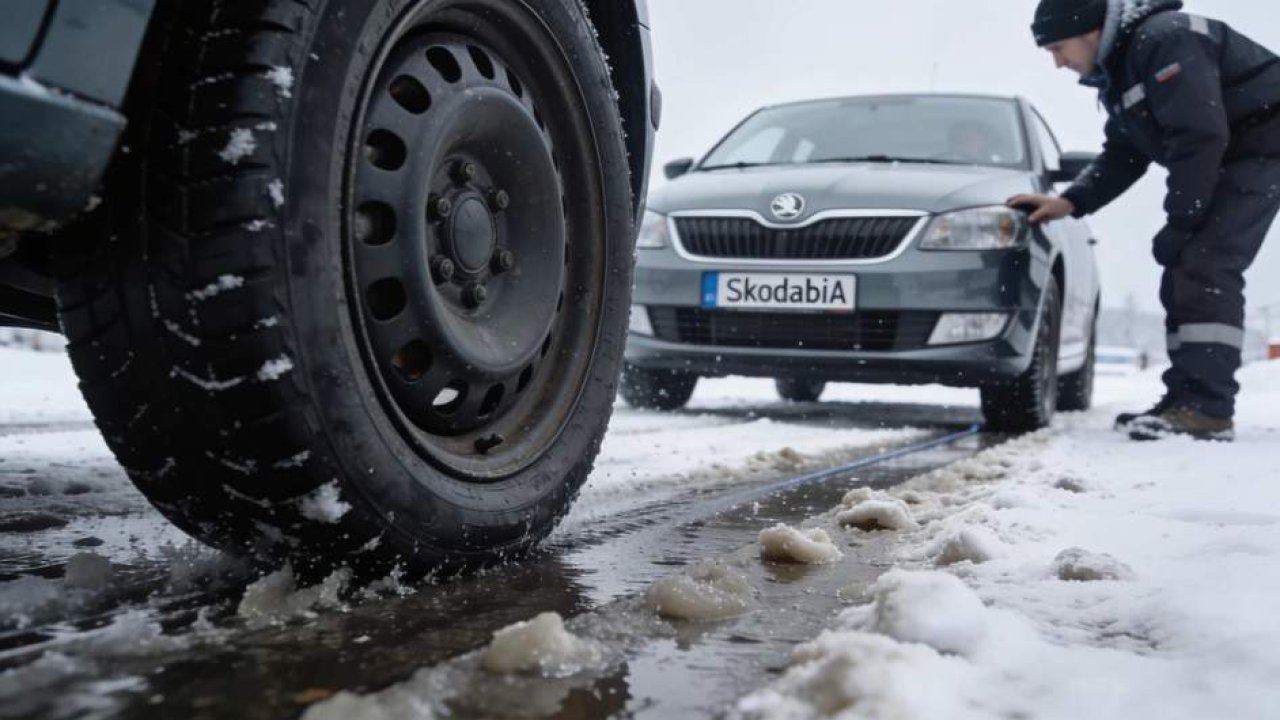
ADAC Winter Tire Test: Continental and Michelin Lead as Nine Fail
The ADAC winter tire safety test results released for the 2025 season reveal that nine out of sixteen tested models in the popular 185/65 R15 size failed to provide adequate safety, with only two models securing good ratings and five earning satisfactory marks. Major brands like Continental and Michelin led the rankings, while several budget and legacy designs were flagged as unsuitable for use due to poor wet grip and braking performance.
Evaluating the 185/65 R15 Safety Performance Data
Testing conducted by the German Automobile Club (ADAC) evaluated sixteen distinct winter tire models tailored for widespread urban vehicles such as the Skoda Fabia, Volkswagen Polo, Renault Clio, and Peugeot 208. Out of this group, only two choices met the rigorous safety criteria for balanced weather handling. The Continental WinterContact TS 870 captured the top position by maintaining reliable grip across dry asphalt, wet roads, and snow-packed surfaces. Michelin Alpin 7 followed closely behind, confirming strong performance across fluctuating winter temperatures.
Conversely, nine of the evaluated items demonstrated critical deficiencies. Testers noted dangerously long stopping distances on wet pavement and sudden losses of traction on dry roadways. For instance, the Bridgestone Blizzak LM 005 performed acceptably on wet tarmac but faltered during snow and dry road evaluations. Analysts attribute part of these performance gaps to manufacturers continuing to distribute older technological iterations in smaller tire dimensions rather than updating them with modern compound engineering.
Comparative Analysis of 225/40 R18 Compact Class Results
Expanding the evaluation scope to compact and mid-size vehicle applications, ADAC testing for the 225/40 R18 size highlighted alternative winners and persistent industry risks. Goodyear UltraGrip Performance 3 captured a leading overall rating of 2.0, backed by strong wet-weather capability and durable projected mileage. The Michelin Pilot Alpin 5 secured a 2.1 rating, establishing high safety margins across diverse seasonal conditions. Meanwhile, low-cost alternatives in this category routinely failed standard wet and ice braking benchmarks, earning explicit warnings from safety authorities.
Durability, Treadwear, and Fleet Operational Impacts
Testing data indicates that even top-tier winter tires max out at an operational lifespan of maximum 40 000 км, while some wear out after just 22 000.

Purchasing decisions require strict adherence to load and speed indexes listed in manufacturer vehicle documentation rather than relying solely on marketing labels or baseline price points.
Practical Procurement Framework for Winter Operations
Mitigating seasonal liability and unexpected maintenance spikes demands structured oversight of procurement cycles and inventory management.
- Verify exact dimensions, load indexes, and speed ratings against official vehicle registration data before purchasing.
- Prioritize independent testing metrics focusing specifically on wet braking and snow traction over superficial brand recognition.
- Inspect production date codes (DOT numbers) to guarantee newly delivered inventory originates from fresh manufacturing batches.