
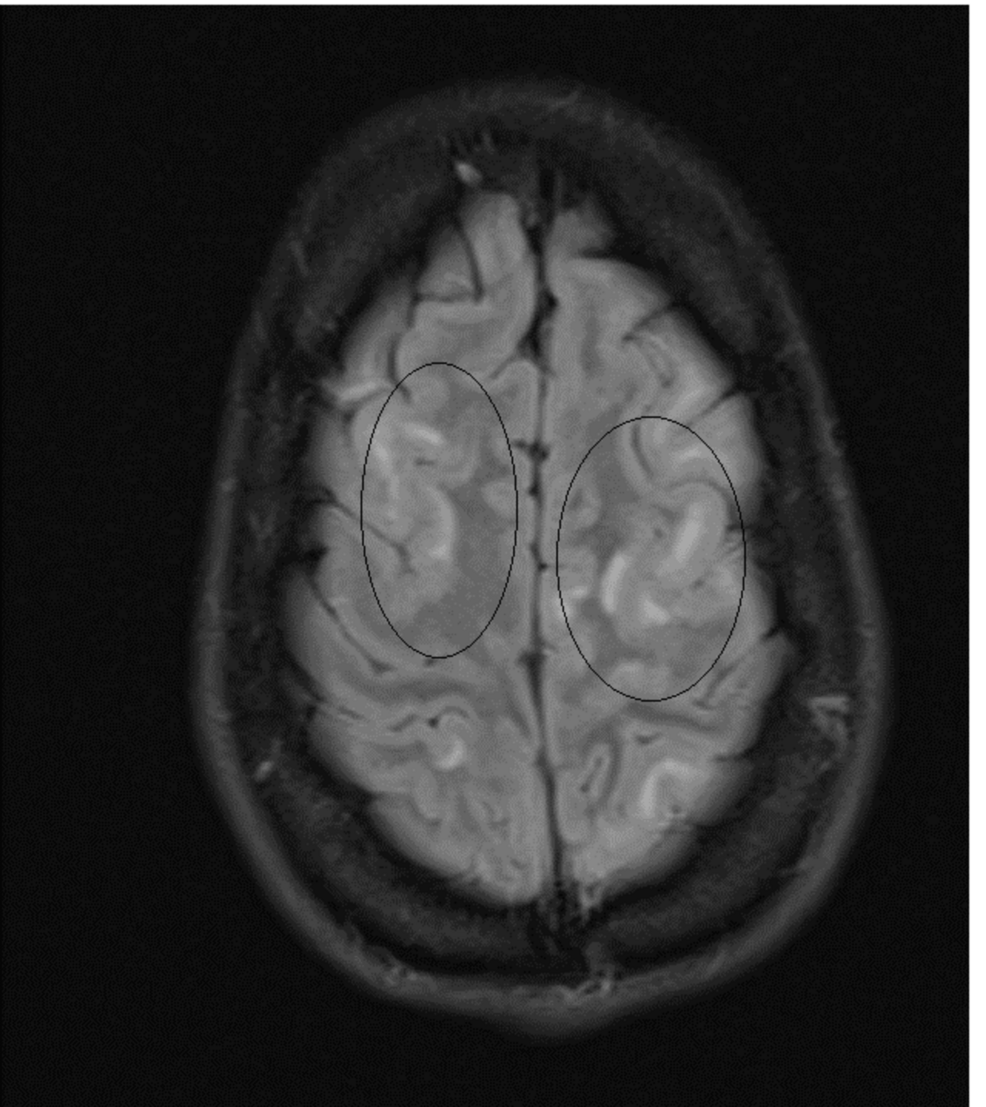
Acute Intermittent Porphyria Mimicking Autoimmune Encephalitis: A Case Report
The diagnostic journey for rare metabolic disorders is often a perilous exercise in elimination, where the most dangerous pitfalls are those that mimic more common neurological emergencies. When a patient presents with sudden cognitive decline or psychiatric instability, the clinical instinct often leans toward autoimmune encephalitis—a mistake that can delay life-saving intervention when the true culprit is Acute Intermittent Porphyria (AIP).
Key Clinical Takeaways:
- Acute Intermittent Porphyria (AIP) frequently mimics autoimmune encephalitis and Guillain-Barré syndrome, leading to common misdiagnosis.
- Critical “red flags” for suspicion include severe abdominal pain preceding neurological symptoms, reddish urine, and hyponatremia.
- The condition stems from a deficiency in the enzyme porphobilinogen deaminase, causing a toxic accumulation of heme metabolites.
The clinical gap in treating acute hepatic porphyrias (AHP) lies in their “chameleon-like” presentation. As detailed in a case report published by Cureus, the overlap between AIP and autoimmune encephalitis is significant enough to mislead even experienced clinicians. This diagnostic ambiguity increases patient morbidity, as the standard of care for autoimmune conditions may not address the underlying metabolic crisis of a porphyric attack. For clinicians facing these complex differential diagnoses, collaborating with board-certified neurologists is essential to distinguish between inflammatory brain disorders and metabolic encephalopathy.
The Pathogenesis of Heme Biosynthesis Failure
At its biological core, AIP is an autosomal dominant metabolic disorder occurring in the liver. The pathogenesis centers on a deficiency of the enzyme porphobilinogen deaminase, a critical component in the production of heme. When this enzyme fails, the body cannot complete the heme biosynthesis pathway, leading to the systemic accumulation of toxic precursors: aminolevulinic acid (ALA) and porphobilinogen (PBG).

These metabolites act as neurotoxins, infiltrating the central, autonomic, and peripheral nervous systems. The resulting damage can manifest as porphyric encephalopathy or axonal neuropathy. Due to the fact that the condition is genetically inherited, many carriers remain asymptomatic for decades. Research indicates that approximately 90% of gene carriers never experience an acute attack, with the syndrome manifesting in only 10% of the affected population. This latency often masks a family history of the disease, leaving the first symptomatic patient to face a diagnostic vacuum.
“Acute hepatic porphyrias (AHP) can cause severe neurological symptoms involving the central, autonomic, and peripheral nervous system. Due to their relative rarity and their chameleon-like presentation, delayed diagnosis and misdiagnosis are common.”
Given the autosomal dominant nature of the disorder, the identification of a single case should trigger a wider familial screening. Families navigating these genetic revelations often require the expertise of certified genetic counselors to understand the probability of transmission and the necessity of prophylactic monitoring for asymptomatic carriers.
Identifying the Red Flags of a Porphyric Attack
Distinguishing AIP from other porphyrias and neurological mimics requires a rigorous analysis of the symptom timeline. According to a neurological perspective published in PubMed, the most significant indicator is the sequence of symptoms: neurological deficits that emerge after a period of severe abdominal pain.
The abdominal pain associated with AIP is typically colicky, poorly localized, and severe, often radiating to the back and legs. This is frequently accompanied by tachycardia, vomiting, and constipation, though diarrhea is notably unusual. While autoimmune encephalitis may present with similar psychiatric or cognitive shifts, it rarely begins with a gastrointestinal crisis. Other critical biomarkers include the presence of hyponatremia and the appearance of reddish urine, a hallmark of PBG excretion.
A vital distinction exists between AIP and other forms of AHP, such as variegate porphyria (VP) or hereditary coproporphyria (HCP). While photodermatitis is a general red flag for acute porphyrias, AIP is specifically characterized by the absence of photosensitive cutaneous symptoms. If a patient presents with the classic “porphyria” triad of abdominal pain, neurological instability, and skin sensitivity to light, the diagnosis likely shifts away from AIP toward VP or HCP.
Clinical Demographics and Diagnostic Hurdles
The epidemiological profile of AIP provides further clues for the clinician. The mean age at diagnosis is 33 years, and the condition is more prevalent in women. Acute attacks are most common in young adult women, appearing rarely before puberty or after menopause. This demographic skew can sometimes lead to the misattribution of symptoms to psychosomatic or gynecological issues, further delaying the correct diagnosis.
The challenge of diagnosing these rare events is highlighted by the necessity of specialized testing. Standard blood panels often fail to capture the transient spike in ALA and PBG during an attack. To avoid the risks of misdiagnosis, healthcare facilities must ensure rapid access to specialized diagnostic laboratories capable of performing quantitative assays for porphobilinogen.
The complexity of this research is supported by significant academic investment. For instance, research led by Andreas Meisel into these neurological perspectives has been funded by the German Research Foundation (TRR167), the Einstein Foundation (A-2017-406), the Leducq Foundation (19CVD01), and the German Federal Ministry of Education and Research (02K16C220). Such transparency in funding underscores the rigorous, peer-reviewed nature of the clinical findings regarding AHP.
The Future of Metabolic Triage
Moving forward, the goal of clinical neurology is to move the “red flag” recognition earlier in the triage process. The morbidity associated with AIP is not merely a result of the disease itself, but of the time lost to incorrect treatments. When a patient presents with the combination of abdominal distress and encephalopathy, the clinical logic must immediately pivot toward a metabolic screen before pursuing invasive autoimmune protocols.
As our understanding of heme biosynthesis enzyme deficiencies evolves, the integration of genomic sequencing into standard neurological workups may eventually eliminate the “chameleon” effect of AIP. Until then, the reliance on expert differential diagnosis remains the only safeguard against permanent axonal neuropathy or fatal encephalopathy. Ensuring that primary care providers can quickly refer patients to vetted specialists is the most effective way to reduce the diagnostic gap and improve long-term patient outcomes.
Disclaimer: The information provided in this article is for educational and scientific communication purposes only and does not constitute medical advice. Always consult with a qualified healthcare provider regarding any medical condition, diagnosis, or treatment plan.