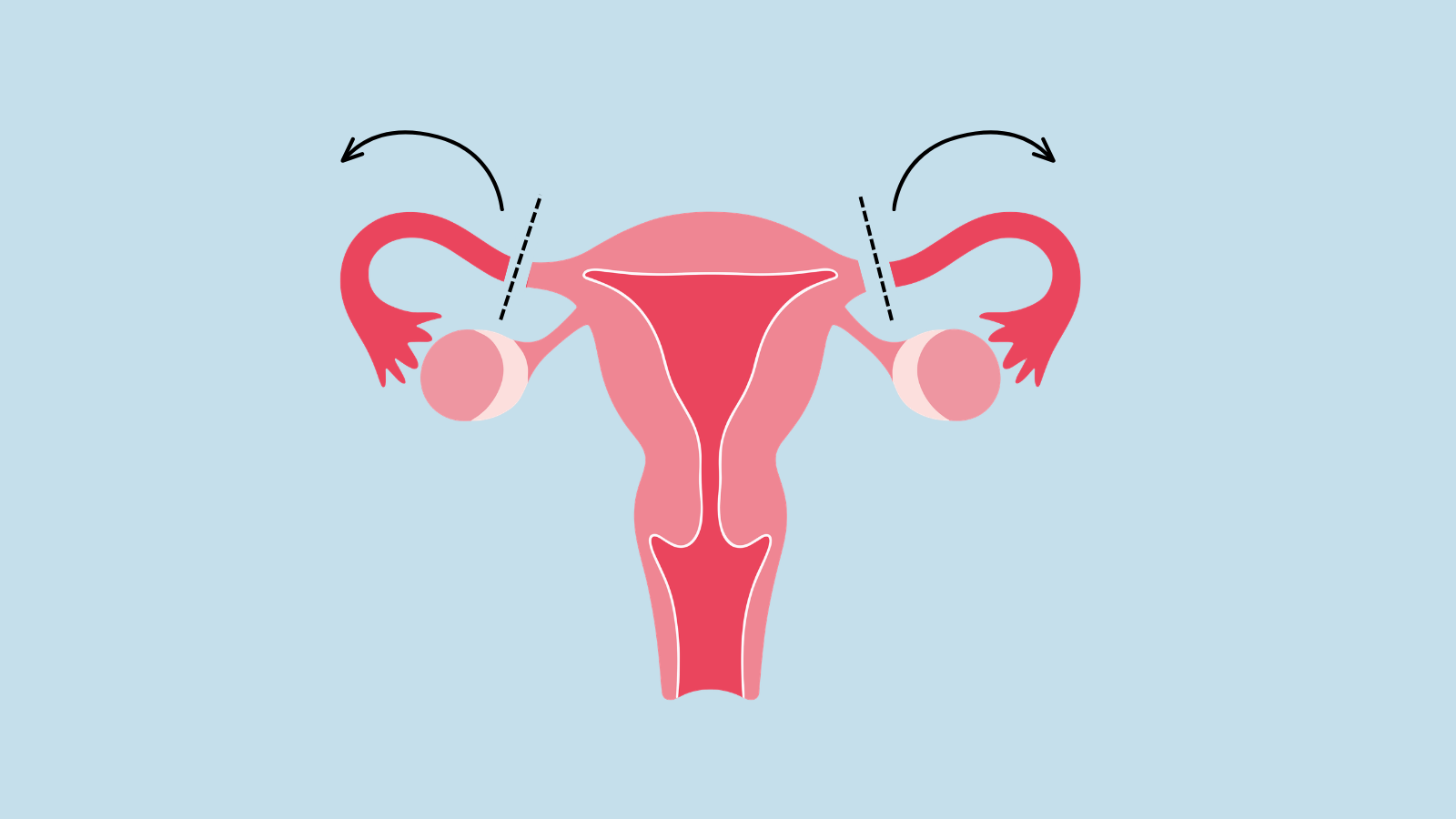
ACOG Recommends Removing Fallopian Tubes Instead of Tubal Ligation
The American College of Obstetricians and Gynecologists issued updated clinical guidance recommending that surgeons perform a bilateral salpingectomy—the surgical removal of the fallopian tubes—rather than a traditional tubal ligation for patients seeking permanent contraception. Backed by clinical data showing that this intervention can reduce a patient’s lifetime risk of developing ovarian cancer by as much as 78 percent, the updated framework addresses a long-standing challenge in gynecological oncology: the fact that approximately 70 percent of the most common and aggressive forms of ovarian cancer originate directly in the fallopian tubes rather than the ovaries themselves.
A Shift in Permanent Contraception Standards
Key Clinical Takeaways
- Cancer Prevention Focus: Bilateral salpingectomy eliminates the primary anatomical tissue site where aggressive serous and epithelial ovarian cancers initiate.
- Opportunistic Interventions: The guidelines advise clinicians to offer tube removal during other routine abdominal or pelvic operations, such as hysterectomies, fibroid removals, and appendectomies, without increasing recovery time or surgical risk.
Overcoming Detection Hurdles
Ovarian cancer remains exceptionally difficult to detect in its early stages due to a lack of reliable screening tests and symptoms that frequently mimic less serious conditions. Standard pelvic examinations cannot reliably identify early-stage tumors, leaving medical providers with very few primary prevention strategies. By shifting the standard of care away from tubal ligation—which merely occludes, cuts, or cauterizes the tubes without removing the tissue—health systems can target the specific origin point of these malignancies. According to public statements from Dr. David Schalowitz, a professor at Western Michigan University’s medical school, obstetrician-gynecologists now have a clear mechanism to empower patients through evidence-based practice. As Dr. Schalowitz noted, salpingectomy stands as the safest, most effective way to prevent this disease.

Expanding Opportunistic Salpingectomy
The updated guidelines also emphasize opportunistic salpingectomy during non-contraceptive procedures. Patients undergoing scheduled operations in the abdomen or pelvis—including uterine fibroid removal, ovarian cyst excision, hernia repairs, bowel surgery, gallbladder removal, or appendectomies—can discuss tube removal with their surgical team. Because modern total hysterectomies already incorporate salpingectomy as routine practice, expanding this approach to other elective procedures maximizes patient safety during operations that are already underway.

Genetic Factors and Alternative Options
Conversely, patients who wish to preserve future fertility while still seeking risk reduction can explore alternatives such as combined oral contraceptives. Clinical studies referenced by medical organizations indicate that using the birth control pill for five years can reduce a patient’s lifetime risk of ovarian cancer by roughly 50 percent.