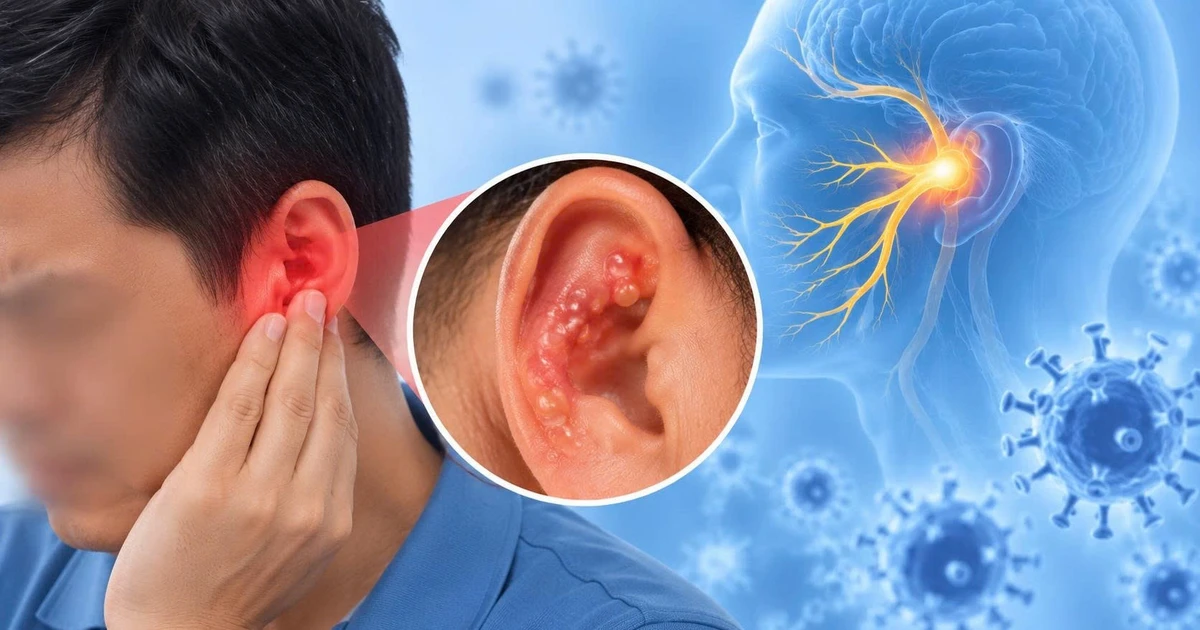
Ramsay Hunt Syndrome: Facial Paralysis, Ear Pain, and Blisters
Patients presenting with acute facial paralysis accompanied by severe pain around the auricle and distinct vesicular rashes require urgent clinical evaluation for Ramsay Hunt syndrome, a severe neurological manifestation caused by the reactivation of the varicella-zoster virus in the geniculate ganglion. According to clinical guidance highlighted in regional health reporting from Vietnam.vn, recognizing these overlapping dermatological and neurological signs early is vital to preventing permanent nerve damage and chronic pain syndromes.
Key Clinical Takeaways:
- Ramsay Hunt syndrome stems from varicella-zoster virus reactivation within the cranial nerve VII and VIII complex, leading to peripheral facial palsy.
- Hallmark clinical indicators include painful vesicular eruptions on the auricle or external auditory canal, frequently paired with ipsilateral facial weakness and auditory symptoms.
- Immediate therapeutic intervention involving antiviral agents and corticosteroids within the initial 72 hours significantly improves long-term functional recovery rates.
Pathophysiology and Clinical Presentation of Ramsay Hunt Syndrome
The clinical progression of Ramsay Hunt syndrome diverges markedly from standard Bell’s palsy due to the viral involvement of the geniculate ganglion of the facial nerve. According to epidemiological data referenced in clinical literature indexed via PubMed, the condition accounts for a significant proportion of acute peripheral facial paralyses. The pathogenesis involves latent varicella-zoster virus—the same pathogen responsible for chickenpox—migrating along sensory nerves. When inflammation compromises the facial nerve motor fibers, patients experience sudden unilateral facial drooping, loss of taste on the anterior two-thirds of the tongue, and acute otalgia.
The appearance of painful fluid-filled blisters, or vesicles, around the ear canal or pinna serves as the definitive diagnostic differentiator from idiopathic facial nerve paralysis. Because the vestibulocochlear nerve runs in close anatomical proximity within the internal auditory meatus, patients frequently report associated symptoms such as tinnitus, hearing loss, and vertigo. Delays in identifying these overlapping cutaneous and neurological markers can lead to severe complications, including post-herpetic neuralgia and incomplete motor function restoration.
Diagnostic Protocols and the 72-Hour Therapeutic Window
Time management in acute neuro-otological presentations dictates long-term patient morbidity. Per clinical consensus established in guidelines published by the World Health Organization and referenced in neurological reference standards, treatment efficacy drops sharply if initiated after the first three days of symptom onset. Clinicians rely on a thorough physical examination of the tympanic membrane and external ear, occasionally utilizing polymerase chain reaction assays of vesicular fluid to confirm the presence of viral DNA when presentations are atypical.
The standard of care centers on combination pharmacotherapy. Administering high-dose systemic corticosteroids alongside oral antiviral agents—such as acyclovir or valacyclovir—mitigates nerve edema and halts viral replication within the temporal bone. For individuals exhibiting severe vertigo, vestibular suppressants are integrated into the acute management plan. Patients requiring comprehensive diagnostic imaging or specialized neurological management should promptly schedule evaluations with vetted board-certified neurologists through an established neurology and otolaryngology specialist directory.
Long-Term Prognosis and Interdisciplinary Rehabilitation
Recovery from Ramsay Hunt syndrome is notably slower and less complete than recovery from standard Bell’s palsy, with older adults facing higher risks of permanent sequelae. Clinical data shows that untreated or late-treated individuals experience persistent facial asymmetry, corneal exposure keratopathy due to incomplete eye closure, and debilitating chronic neuropathic pain. Consequently, structured physical therapy, facial neuromuscular re-education, and ophthalmological care are indispensable components of the recovery continuum.
Managing complex cranial nerve neuropathies demands coordinated oversight across primary care, otolaryngology, and physical medicine. For ongoing monitoring and personalized rehabilitation programs, patients and primary care physicians can access vetted medical directories to connect with certified rehabilitation centers and specialized diagnostic clinics equipped to handle neuro-inflammatory disorders.
*Disclaimer: The information provided in this article is for educational and scientific communication purposes only and does not constitute medical advice. Always consult with a qualified healthcare provider regarding any medical condition, diagnosis, or treatment plan.*