
Wage Gap Persists as “Baby Bonus” for Men Contrasts with Income Halving for New Mothers
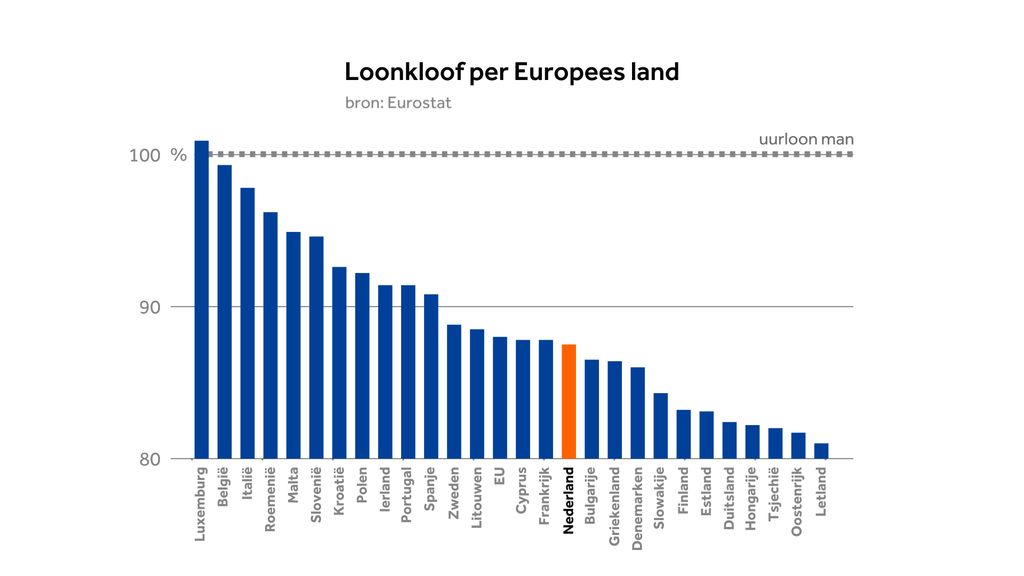
AMSTERDAM – A new analysis reveals a significant disparity in the financial impact of parenthood on men and women in the netherlands, with mothers experiencing an average income drop of 35 percent in the six years following the birth of their first child, while fathers often benefit from a “baby bonus” linked to employer perceptions. The findings underscore how deeply ingrained prejudices contribute to the persistent wage gap between genders, even as a new European directive aimed at salary transparency faces resistance from Dutch employers.
According to research highlighted by Professor Didi van der Straaten, men perceived as fulfilling the role of “responsible breadwinner” are often favored by employers. This contrasts sharply with the financial setbacks faced by mothers returning to work. Companies are frequently unaware of these biases, with three-quarters believing the pay gap doesn’t affect them, despite evidence showing 85 percent of companies do exhibit a pay gap.
Next year, a European directive will mandate salary transparency across the EU, though implementation in the Netherlands has been delayed until January 2027. Employers’ organization VNO-NCW argues the law is overly complex and places undue burden on businesses regarding payroll maintenance and reporting. Chairman Ingrid Thijssen stated, “You are putting the cart before the horse by pouring out such a monstrosity of a law on employers.”
However, the FNV union dismisses these concerns as a delaying tactic, asserting employers are resisting transparency because it will necessitate equal pay for women. “Employers obviously know exactly who they pay what,” said Ilze Smit,equal pay project leader at FNV. “They make it complex because it will cost them money to reward women equally.”
Van der Straaten also challenges VNO-NCW’s claims, pointing to prosperous implementation in Belgium and the availability of tools for salary analysis at universities. The new directive requires employers to address pay differences exceeding 5 percent, a prospect that appears to be causing anxiety among some businesses. “Without this law we will not make any progress,” Van der Straaten warned.
