Abrams and Joaquin Phoenix Oppose Agreement, Rock Singer’s Death and Jokic’s Performance
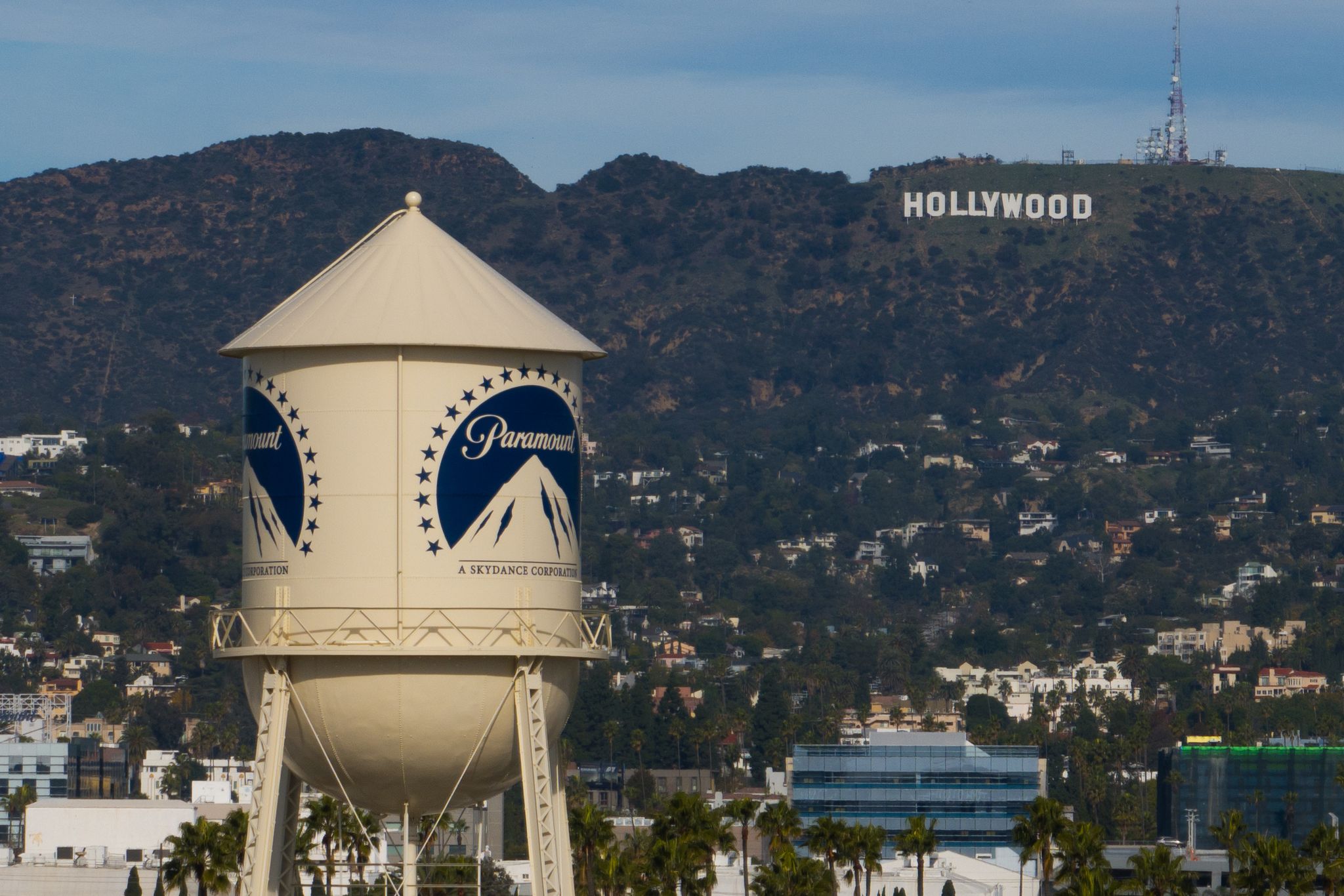
More than 1,000 Hollywood professionals, including Joaquin Phoenix and Denis Villeneuve, have declared “unequivocal opposition” to the proposed merger between Paramount and Warner Bros. Discovery. The creators argue the deal, led by David Ellison’s Paramount Skydance, would slash jobs, reduce film production, and consolidate the U.S. Studio system to just four major players.
This is not merely a disagreement over corporate bookkeeping; It’s a fight for the survival of the creative middle class. When two legacy studios merge, the resulting entity often prioritizes efficiency over art, leading to a homogenized cinematic landscape where only the safest, biggest bets get greenlit.
The anxiety is palpable. For the thousands of below-the-line workers—the grips, the editors, the location scouts—this merger represents a looming threat to their livelihoods.
The Creative Rebellion
On Monday, April 13, a wave of opposition crashed into the corporate boardrooms of Hollywood. An open letter, published via The Independent and the New York Times, revealed that a massive contingent of the industry is terrified of what happens when Paramount and Warner Bros. Discovery become one. The list of signatories reads like a “who’s who” of modern cinema: J.J. Abrams, Kristen Stewart, David Fincher, and Denis Villeneuve.

“The result will be fewer opportunities for creators, fewer jobs across the production ecosystem, higher costs, and less choice for audiences in the United States and around the world.”
The letter, hosted at BlocktheMerger.com, frames the merger as a catastrophic consolidation. The core fear is simple: less competition equals less creativity. By reducing the number of major U.S. Film studios to just four, the industry risks entering an era of stagnation where a handful of executives hold absolute power over which stories are told and who gets paid to tell them.
For those caught in the crossfire of these corporate maneuvers, the instability is overwhelming. Many industry professionals are already seeking professional career consultants to navigate a landscape where traditional studio employment is becoming increasingly volatile.
A Systemic Collapse of the “Middle”
The opposition isn’t just worried about the huge-budget blockbusters. The real tragedy, according to the signatories, is the death of the mid-budget film. These are the movies that don’t cost $200 million but aren’t indie experiments—the adult dramas and original thrillers that once defined the golden age of studio filmmaking.
The open letter outlines a grim trajectory of “media consolidation” that has already begun to erode the industry’s foundations. The signatories point to several critical failures:
- The disappearance of the mid-budget film: Studios are pivoting exclusively to franchises, leaving original stories without a home.
- The erosion of independent distribution: Fewer gateways to the public imply independent voices are silenced.
- The collapse of the international sales market: Consolidation limits the ability of smaller films to find global audiences.
- The elimination of meaningful profit participation: Creators are seeing their backend deals vanish in favor of flat fees.
- The weakening of screen credit integrity: The prestige and transparency of credits are being compromised.
These factors don’t just affect the stars. They endanger the professional lives of tens of thousands of workers embedded in tiny businesses and independent companies that support local economies across the United States. When a studio shuts down a production wing, the ripple effect hits local catering companies, transport services, and municipal infrastructure.
Navigating these systemic shifts requires more than just talent; it requires protection. Many production houses are now engaging antitrust legal specialists to understand how this consolidation affects their contractual rights and market access.
The Financial Power Play
The numbers behind the deal are staggering. Depending on the currency of the report, the acquisition is valued between $111 billion and £87 billion. David Ellison’s Paramount Skydance emerged victorious after a high-stakes bidding war, beating out a rival offer from Netflix.

This isn’t the first time Hollywood has felt this kind of seismic shift. The industry is still reeling from the 2019 acquisition of 20th Century Fox by The Walt Disney Co., a deal valued at $71.3 billion. That merger set the precedent for the current era of “mega-studios,” where a few conglomerates control the majority of the world’s intellectual property.
Ellison has attempted to calm the waters. He has pledged to maintain Paramount and Warner Bros. As standalone movie studio operations and has committed to a combined release schedule of 30 films annually in cinemas. However, for those who signed the letter, these promises are insufficient. They see a pattern of consolidation that always ends in “synergies”—a corporate euphemism for mass layoffs and budget cuts.
The Corporate Counter-Strike
Paramount has not remained silent. In a formal response to the open letter, the studio attempted to flip the narrative, arguing that the merger is actually a win for the consumer.
“This merger strengthens both consumer choice and competition, creating greater opportunities for creators, audiences and the communities they live and work in.”
It is a classic corporate defense: claiming that a larger entity is more “stable” and therefore better for the ecosystem. But to the directors and writers, this is a fallacy. A more stable corporation often means a more rigid one, less willing to take the risks that lead to cinematic breakthroughs.
As the deal awaits a shareholder vote later this month and the necessary government regulatory approval, the industry remains on edge. The tension highlights a growing divide between the financial architects of the entertainment world and the artists who actually build the products.
For the businesses providing the backbone of the industry, from equipment rentals to post-production houses, the uncertainty is a logistical nightmare. Many are now consulting strategic business advisors to diversify their client portfolios and reduce their reliance on any single major studio.
The fight over the Paramount-Warner merger is more than a legal battle over market share; it is a philosophical war over the future of storytelling. If the “unequivocal opposition” of a thousand creators cannot stop the tide of consolidation, the movie-going experience of the next decade may be defined not by vision, but by a spreadsheet. The question remains whether the regulators will see the danger in a four-studio world, or if the curtain will close on the independent spirit of Hollywood for good.