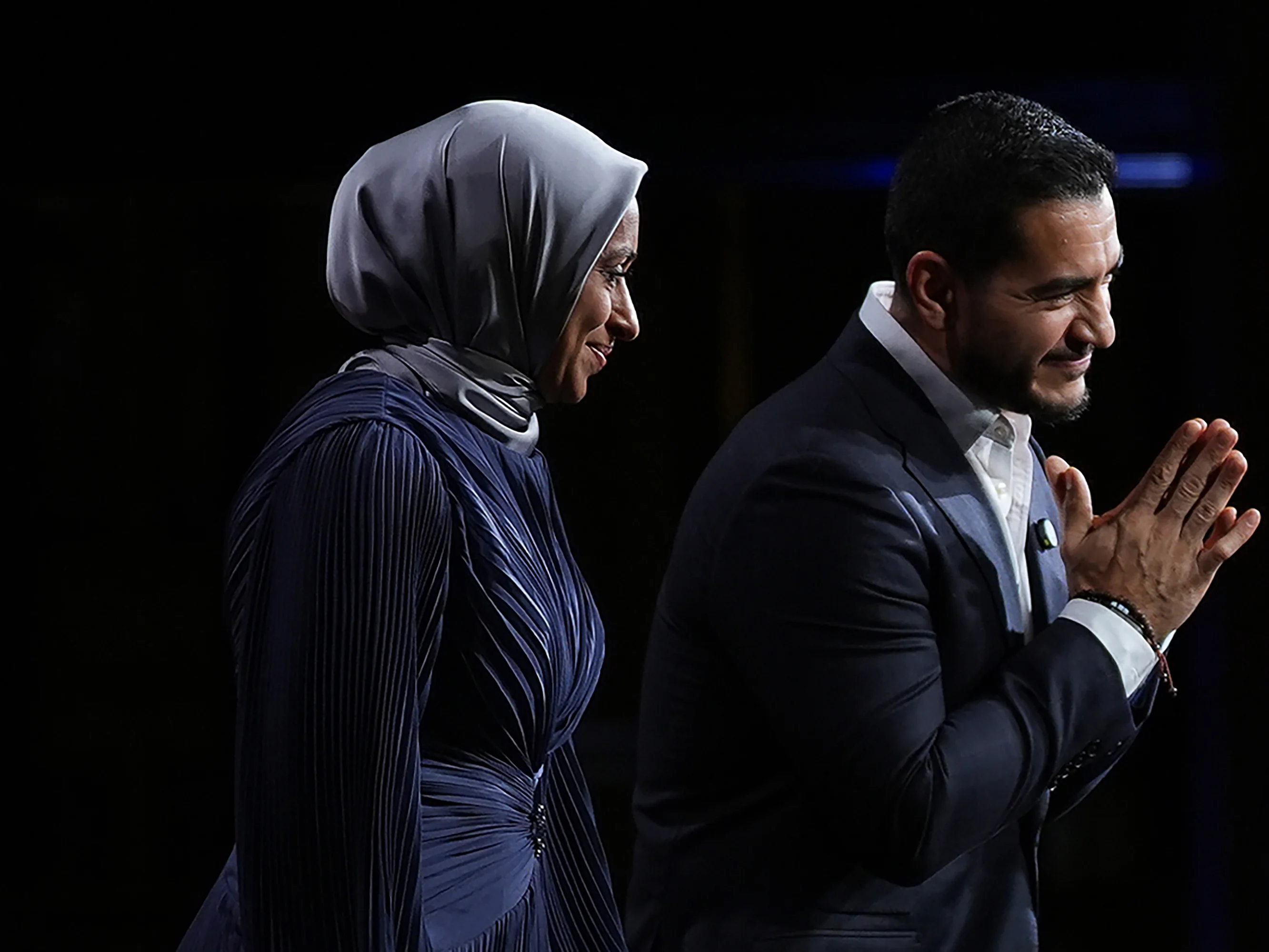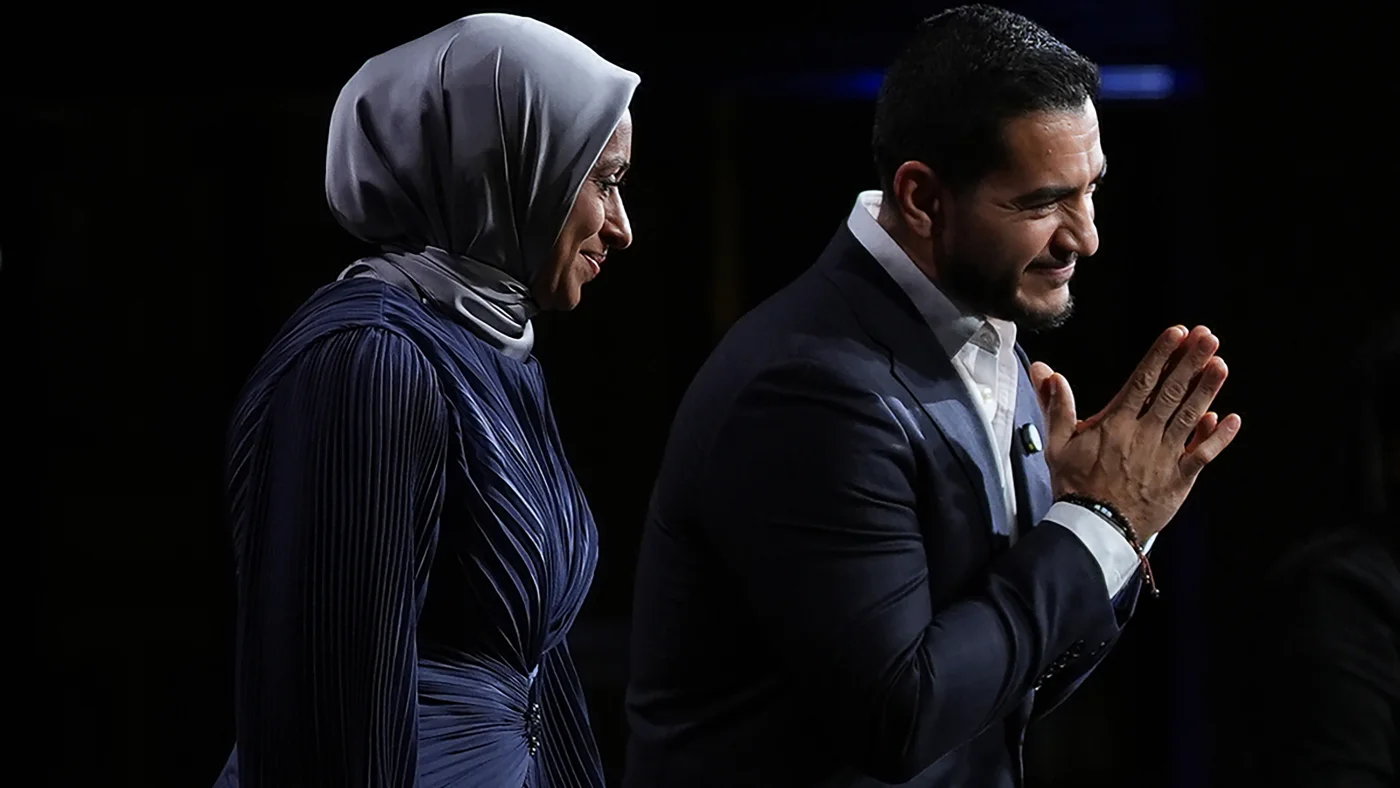
Abdul El-Sayed welcomes Trump plan to cut Israel military aid
Democrat Abdul El-Sayed achieved a historic milestone in Michigan by winning against Republican Mike Rogers, making him the first Muslim to join the U.S. Senate as his party took back control of Congress, npr.org reported.
Securing Victory Despite Primary Disputes and Outside Attacks
The former public health official, age 42, ran on a platform focused on reducing expenses, establishing Medicare for All, and removing corporate money from the political system. President Trump supported Rogers, who repeatedly criticized El-Sayed concerning his Muslim religion and his resistance to American military aid to Israel. Israel and the war in Gaza became a defining fault line in the race. In the final days before the vote, Haley Stevens—whom El-Sayed had beaten in the Democratic primary—threw her support behind Rogers following a bitter disagreement centering on Israel.
Winning Michigan’s Senate seat does not mean every division within his party has disappeared. While reporting from Michigan prior to the election, NPR Michel Martin noted that certain Jewish and Black voters expressed reservations regarding El-Sayed. When questioned on whether additional effort was required to secure their backing, El-Sayed pointed out that the outcome of the election disputed that viewpoint. “There’s always more work to do. There’s always more to build. There’s always more conversations to have,” he said.
Aligning With a Presidential Proposal on Foreign Aid
Following an electoral contest defined by sharp clashes over Israel, El-Sayed finds himself aligned with Trump on a shared policy position. The administration put forward a proposal to halt roughly $4 billion in yearly military assistance to Israel prior to the conclusion of the year, though no specifics were provided regarding the implementation of these reductions. Speaking to Morning Edition after his victory, El-Sayed welcomed the proposal. “I think the president is actually right on this policy,” he said. “I’d also like to see us stop selling weaponry that gets used to do the worst things, including genocide and apartheid, to Israel.”
Under a pact extending through 2028, the United States supplies Israel with $3.8 billion annually in military assistance. El-Sayed’s critique extends beyond just Israel. Expressing doubt regarding American military backing for Pakistan, Jordan, Saudi Arabia, and Egypt as well, he argued that taxpayer funds from the United States ought to be utilized domestically.