
spain Faces a Youth Unhappiness Crisis Fueled by Inequality and Isolation
Madrid, Spain – A growing sense of disillusionment and unhappiness is gripping young people in spain, a nation grappling with stark economic inequality and diminishing opportunities for social mobility, according to a recent surge of analysis from experts and a heated national debate. Despite being one of the wealthiest countries in the OECD, Spain exhibits some of the lowest rates of social mobility, with over 35% of income inequality attributed to background factors – primarily parental socioeconomic status.
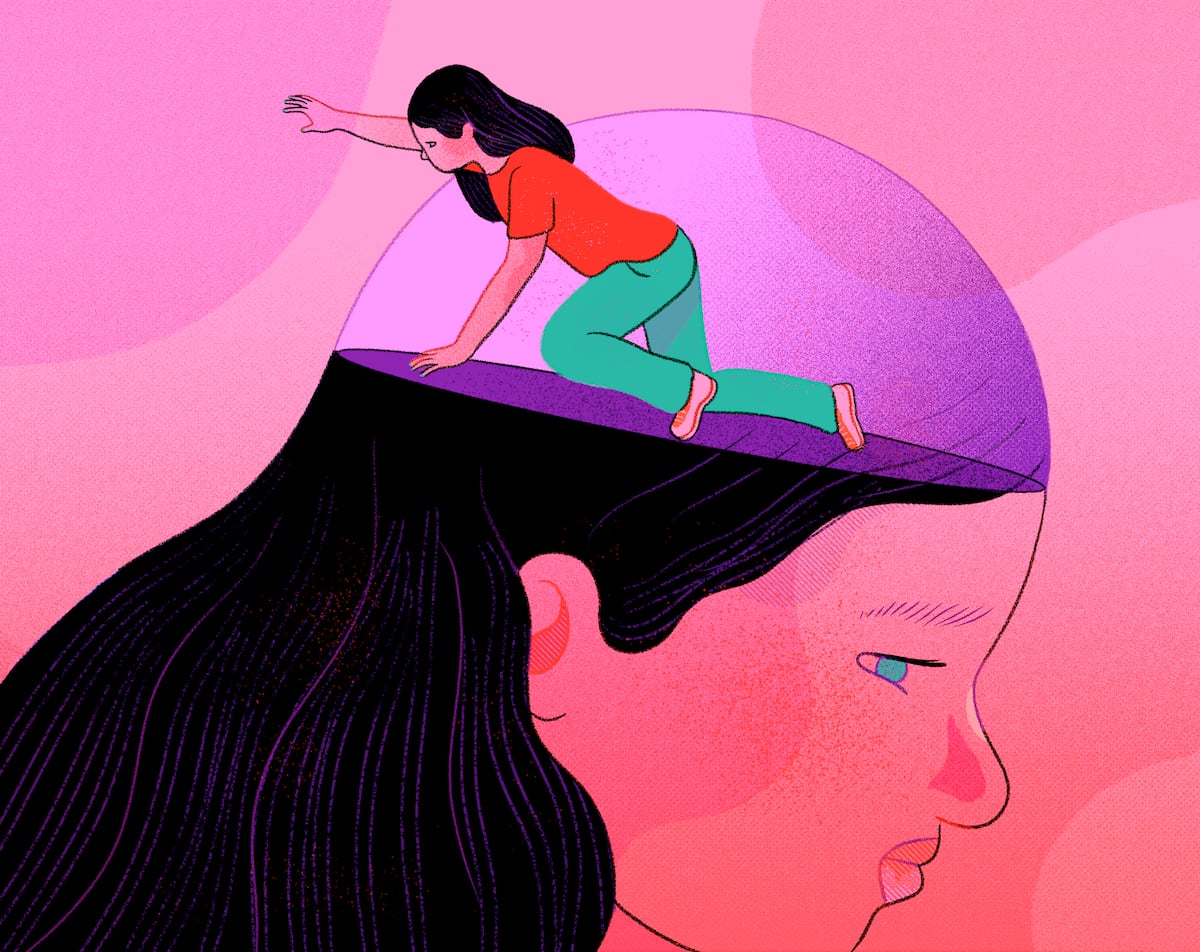
This lack of prospect is fostering a “light nihilism” among new generations,explains psychologist Patricia Castro,who notes a loss of faith in the possibility of creating a better future. “Moreover, society makes them feel that the responsibility for their precarious situation lies with them. It’s a kind of inward self-destruction: you blame yourself for your situation,” she stated.
The crisis is compounded by increasing social atomization, leaving young people feeling disconnected and unable to effect change collectively. Castro observes a societal tendency to unfairly judge younger generations – criticizing their technology use, financial struggles, and even a recent shift towards conservatism – “People who haven’t even had the opportunity to screw up have been blamed.”
Experts are urgently seeking solutions. A critical need is expanded access to mental health services, currently severely lacking in Spain. The White Paper on Psychiatry in Spain, published by the Spanish Society of Psychiatry and Mental Health (SEPSM), reveals only 10 mental health professionals are available for every 100,000 children under 14 – a rate significantly lower than in comparable nations.
Beyond mental healthcare, solutions proposed include delaying access to social media until age 14, as suggested by Jonathan Haidt, who also warns of the potential harms of emerging artificial intelligence. Improving economic conditions,notably in the areas of employment and housing,is also considered vital.
However, strengthening social connections remains a central focus. ”Not all of us are going to have the job of our dreams or live in the city centre, but there is no shortage of people in the world,” Castro emphasizes.
Literature professor Jesús G. Maestro offers a more philosophical remedy, suggesting young people read Don Quixote as a lesson in the realities of idealism. he concludes with a stark warning: “If you don’t take care of young people, you ruin the future of society.”
