
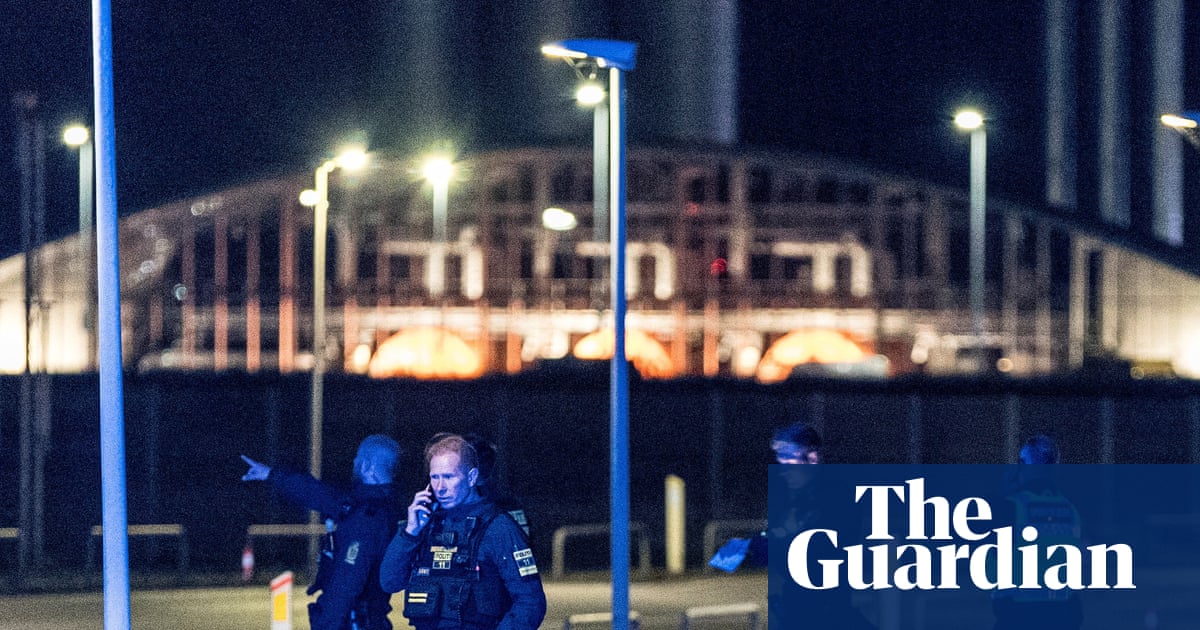
Drone sightings Across Europe Fuel Anxiety Amid Geopolitical Tensions
LONDON – A surge in reported drone sightings across Europe is triggering widespread anxiety, fueled by heightened geopolitical tensions and a climate of uncertainty, according to experts in perception and historical analysis. Recent reports, particularly concentrated in countries like Denmark, echo patterns of past “mass hysteria” events linked to Cold War anxieties and natural phenomena mistaken for hostile activity.
The current wave of sightings, beginning in 2025, follows a historical trend of unexplained aerial phenomena being interpreted through the lens of prevailing fears. During the 1930s, “ghost planes” sparked panic, initially believed to be Soviet reconnaissance aircraft preparing for invasion. Later,in 1946,”ghost rockets” caused alarm in Northern Europe,with initial suspicions falling on the Soviet Union following their occupation of Peenemünde,the former Nazi rocket science center. Investigations later revealed these sightings coincided with geomagnetic comets and unusually high solar activity, creating breathtaking auroras and amplified meteor displays.
similarly, in the 1970s and 80s, reports of ”unidentified submerged objects” (USOs) were attributed to Soviet submarines, though the sheer volume of reports made this explanation implausible. “They were omnipresent and the vast majority could not possibly have been soviet subs – there were just too many reports; people were seeing them everywhere,” noted researcher Bartholomew.
Bartholomew argues the current situation represents a “perfect storm” of anxieties,driven by Russian aggression and concerns over the reliability of the United States under Donald Trump. “Suddenly, many European countries like Denmark are feeling more vulnerable than they have in recent memory,” he said.
He further explains that the phenomenon is a “collective anxiety attack where the sky has become a social barometer of the times, driven by the fallibility of human perception and fear.” Contributing factors include shorter daylight hours and the potential impact on individuals with anxiety disorders. “It’s almost autumn and the days are getting shorter, which means more hours of darkness which should not be underestimated as it contributes to the ambiguity… it cannot be good for anyone with an anxiety disorder.”
While the drone sightings are not dismissed as imaginary, experts emphasize the role of psychological factors in interpreting and amplifying these events within a context of heightened geopolitical insecurity.
