A Child of My Own: The Shocking Story of Fake Pregnancy and Baby Theft on Netflix
On June 17, 2009, a 26-year-old woman named Eleonor Alejandra Marín Mendoza walked out of a hospital in Mexico City carrying a gift bag containing a newborn infant, according to reporting by the BBC. Mendoza was not the child’s mother. Within hours, authorities arrested Mendoza and her husband, Arturo, at a local inn, returning the baby, Katya Valentina, unharmed to her biological parents as reported in regional coverage.
The case, which resulted in a 13-year prison sentence for Mendoza on kidnapping charges, serves as the basis for the cinematic true-crime documentary “A Child of My Own” (or “طفل من صُلبي” in Arabic markets), which arrives on Netflix. Directed by two-time Oscar-nominated Chilean filmmaker Maite Alberdi, the project shuns traditional true-crime formatting in favor of a docudrama approach that examines the societal pressures driving a fake pregnancy and subsequent abduction.
Deconstructing the Pastel Illusion
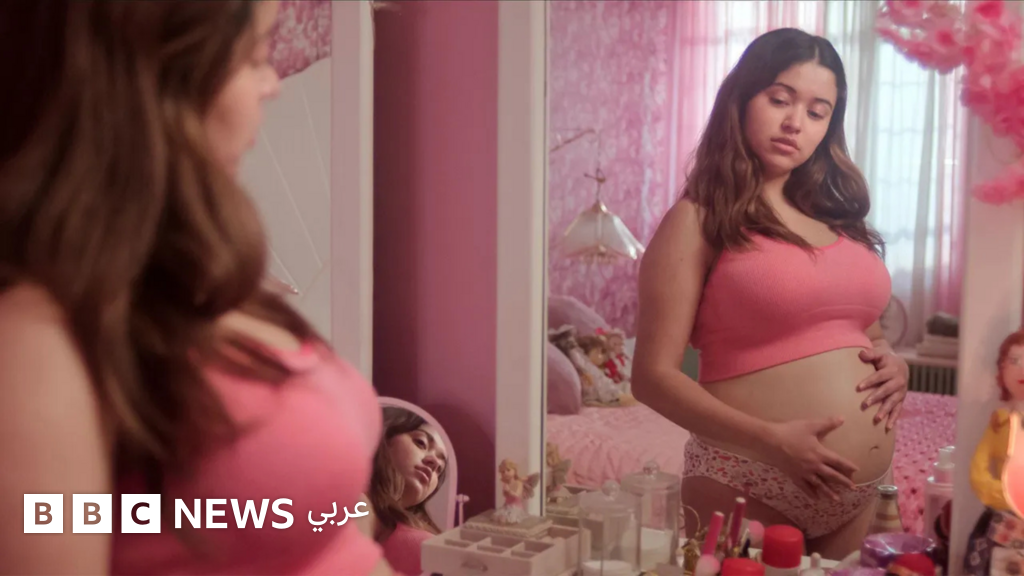
The documentary splits its narrative framework deliberately. The first half utilizes dramatic reenactments starring Mexican actress Ana Celeste Montalvo to depict Mendoza’s nine-month illusion, a period during which she successfully convinced her husband, family, and medical professionals that her pregnancy was genuine. Alberdi frames these early sequences through soft pastel aesthetics, heavy on pinks, yellows, and blues, reflecting what the director describes as a fairytale perspective.
According to interviews given by Alberdi and covered extensively in international syndication, the visual style mirrors Mendoza’s internal fantasy and her desire for a traditional family structure. In archival footage and reenactments detailed by the BBC and regional outlets like Eram News and Al-Ain, Mendoza is shown at a 2009 baby shower celebrating her impending motherhood with balloons, cake, and gifts. Mendoza later reflects on the cognitive dissonance of that afternoon, noting that while she felt uniquely special, part of her wanted someone to shatter the fiction.
Shifting Perspectives Behind Bars
The production pivots in its second half, introducing the real Mendoza, filmed directly from prison alongside archival news broadcasts and interviews with individuals tied to the 2009 case. This structural choice shifts the intellectual property from a sensationalized crime recap into a psychological study of desperation and societal expectations surrounding motherhood in Latin America.
Streaming Metrics and Cultural Resonance
Ultimately, “طفل من صُلبي” documents not just a criminal act from June 2009, but the harrowing psychological architecture of a false reality.