
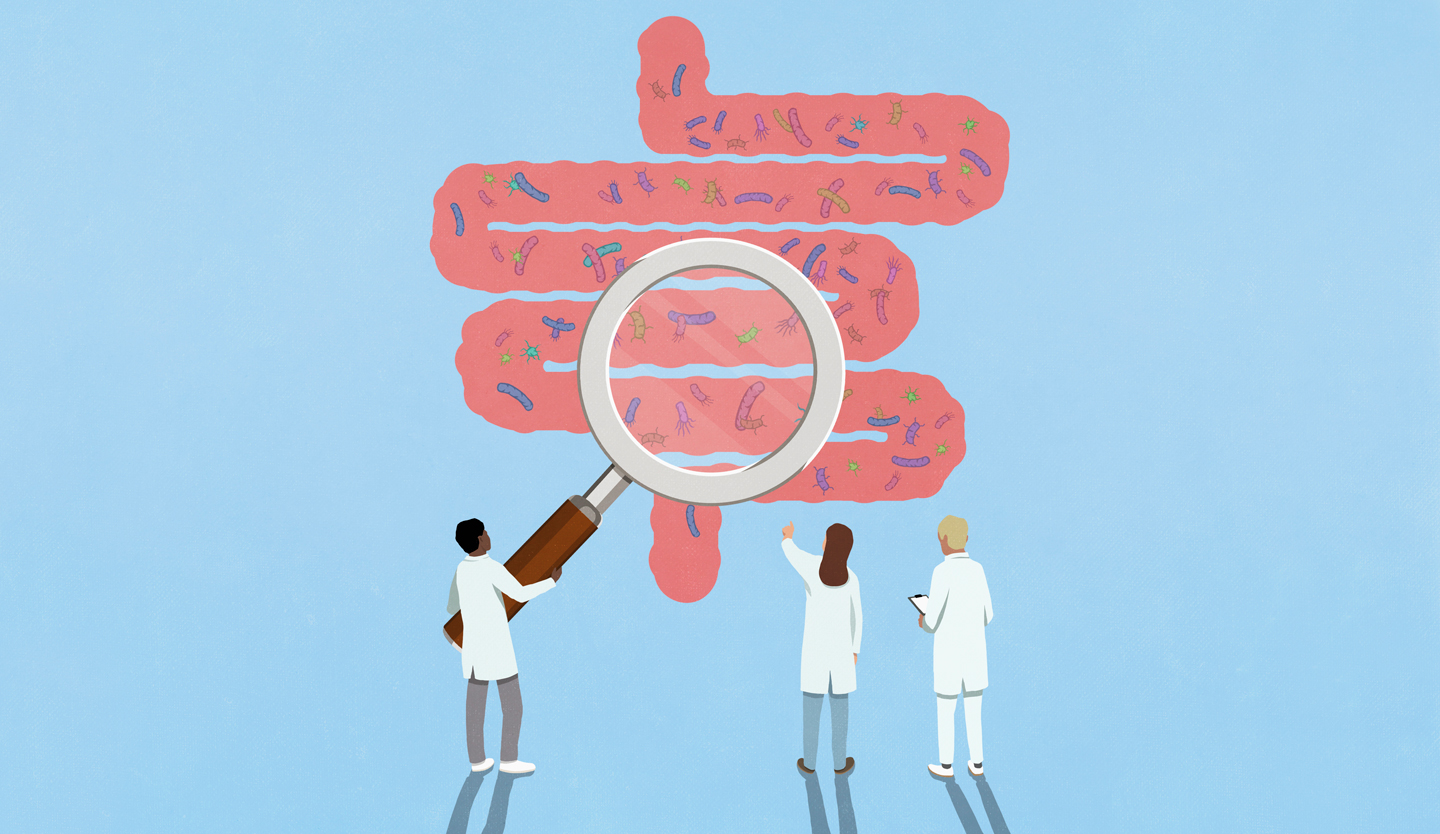
Researchers have developed computer simulations capable of predicting how well a probiotic strain will establish itself in an individual’s gut, potentially paving the way for personalized probiotic interventions. The advance addresses a key limitation of the booming probiotic market, where a “one-size-fits-all” approach often fails to deliver consistent benefits.
The new modeling technique, described in a February 19 study in PLOS Biology, uses microbial community–scale metabolic models. These models leverage existing knowledge of how gut bacteria consume and process nutrients to simulate the impact of introducing new strains into a person’s unique gut environment. “We thought that this type of modeling platform could potentially allow us to identify personalized responses and maybe even design personalized interventions,” said Sean Gibbons, a microbiome researcher at the Institute for Systems Biology in Seattle.
To test the models, Gibbons and his team analyzed data from two previous clinical trials. The first investigated the effects of a synbiotic – a combination of probiotics and prebiotic fiber – on patients with type 2 diabetes. The second examined a pharmaceutical-grade live biotherapeutic used to treat recurrent Clostridioides difficile infections. In both trials, the researchers noted that the added bacterial strains yielded positive health outcomes for some individuals but not others. They aimed to determine if their models could explain these varying responses.
The team utilized baseline gut microbiome profiles from the trial participants and found that the models could predict with 75 to 80 percent accuracy which bacteria would successfully colonize the gut, a process known as engraftment. The simulations as well accurately forecast increases in the production of short-chain fatty acids, compounds believed to be crucial for gut health, according to the study.
“I was actually surprised that the engraftment could be predicted so accurately in such a complex context,” said Christoph Kaleta, a systems biologist at Kiel University in Germany, who was not involved in the research. Kaleta cautioned, however, that the study focused on short-term effects. “While probiotics often show a short-term presence of the provided species, long-term engraftment is only seldom observed.… Ideally, you would like those probiotic species to maintain their beneficial effect for longer.”
The models also revealed links between bacterial growth and specific health outcomes. For example, higher growth rates of Akkermansia muciniphila were associated with improved blood sugar control following meals.
To further validate their approach, the researchers analyzed data from individuals who had adopted high-fiber diets. The models accurately predicted how these individuals’ gut microbiomes would respond to the dietary changes. This suggests the potential for a future where doctors could digitally “test drive” a probiotic’s effects within a personalized model of a patient’s gut before recommending it.
“If we can seize one person’s model and simulate thousands of interventions in the matter of minutes or hours, then suddenly you have a kind of ‘digital twin’ that can start to approximate people’s individualized responses,” Gibbons explained. His team is now planning a prospective clinical trial to assess whether personalized interventions guided by the models are more effective than standard probiotic treatments.
The research underscores the importance of individual variability in gut microbiome responses. “A lot of these bacteria are beneficial only in certain contexts,” said Nick Quinn-Bohmann, a microbiome researcher at the Institute for Systems Biology. “It doesn’t make sense to have a suite of one-size-fits-all probiotics for everyone.”
Quinn-Bohmann suggested that these modeling techniques could eventually facilitate the design of customized microbiome therapies, moving beyond the current reliance on commercially available probiotic products. According to the Cleveland Clinic, probiotics are live bacteria and yeasts that can have beneficial effects on the body, helping to fight off harmful microbes and boost immunity. The World Health Organization defines probiotics as “live microorganisms that, when administered in adequate amounts, confer a health benefit on the host.”
