
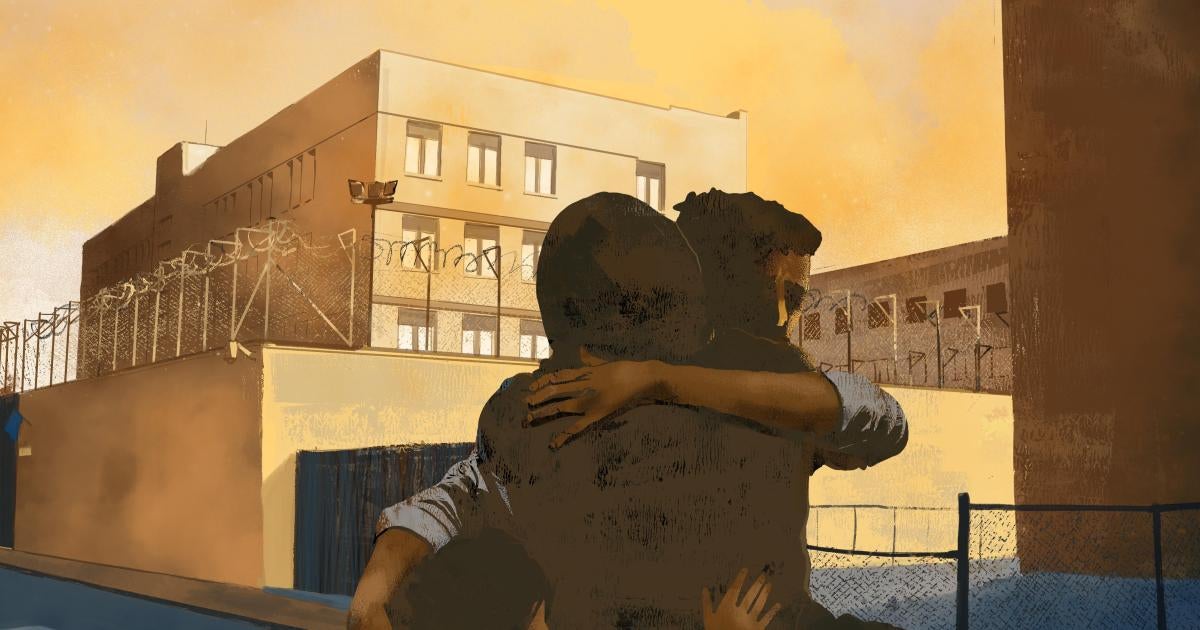
Australia’s offshore detention policy is facing renewed scrutiny following a Human Rights Watch (HRW) report detailing the exorbitant costs and alleged abuses inherent in the system. The organization is urging the Australian government to prioritize community-based alternatives to detention, citing a cost of A$5.6 million (US$3.9 million) per person held on Nauru in the 2024-2025 fiscal year.
The call for change comes as the Australian Senate’s Legal and Constitutional Affairs References Committee continues its inquiry into offshore processing and resettlement arrangements, initiated in November 2025. The committee is examining payments made to private contractors operating facilities on Nauru and in Papua New Guinea, as well as the overall financial burden on Australian taxpayers.
According to HRW’s submission, the Department of Home Affairs estimates spending approximately A$560 million (US$390 million) on offshore processing in Nauru during 2024-2025, supporting roughly 100 individuals. This figure sharply contrasts with the estimated A$3,962 (US$2,750) annual cost of supporting asylum seekers living in the Australian community on bridging visas while their claims are processed.
“Australia has spent billions of dollars trying to offload its responsibilities onto poorer countries instead of upholding its international obligations to migrants and refugees,” stated Annabel Hennessy, Australia researcher at Human Rights Watch. “Australia’s offshore processing regime has caused immeasurable harm to people seeking asylum and contributed to the global erosion of refugee law.”
HRW’s research, conducted in six countries in 2021, suggests that community-based case management programs offer a more cost-effective and humane approach. These programs provide comprehensive support, including legal assistance and help with securing housing and employment.
The debate over Australia’s human rights record is unfolding alongside discussions about a potential federal human rights act. On February 5, 2026, Senator Tammy Tyrrell addressed the Senate, advocating for such legislation to protect fundamental rights, including access to housing, healthcare, and education. Appendix 5 of a recent inquiry report proposes a model human rights act designed to balance rights protection with parliamentary sovereignty.
Human Rights Watch has previously documented concerns regarding Australia’s treatment of asylum seekers, noting a failure to meet international standards. A recent commentary published by HRW Australia on February 26, 2026, called on Prime Minister Anthony Albanese to recognize that human rights apply to all Australians.
The Senate committee’s inquiry is ongoing, with no immediate timeline for the release of its findings. The Department of Home Affairs has not yet responded to requests for comment on the HRW report.
