
An accidental flood in a laboratory setting led to the observation of an extended period of torpor – a state of decreased physiological activity – in a golden spiny mouse, lasting more than seven times longer than typically observed for the desert rodent, researchers have found.
The unusual response, documented in a study published in the Australian Journal of Zoology, marks the first evidence of torpor being induced by a flooding event in mammals and the first recording of multiday torpor in spiny mice. During the event, the mouse’s body temperature dropped to approximately 75°F (24°C), according to researchers.
While torpor is commonly associated with surviving cold winters, this instance suggests a broader role for the physiological state in responding to environmental stressors. “Maybe there’s no food, maybe no water, it may be really warm,” said ecophysiologist Julia Nowack of Liverpool John Moores University in England, a coauthor on a related study of sugar gliders. “Torpor… has lots of different triggers.”
The ability to enter torpor isn’t universal. Species with stable body temperatures, known as homeotherms, lack this flexibility and may be less equipped to endure challenging conditions where resources are scarce. This contrasts with “heterotherms,” animals that can allow their body temperature to fluctuate, enabling them to conserve energy during times of stress.
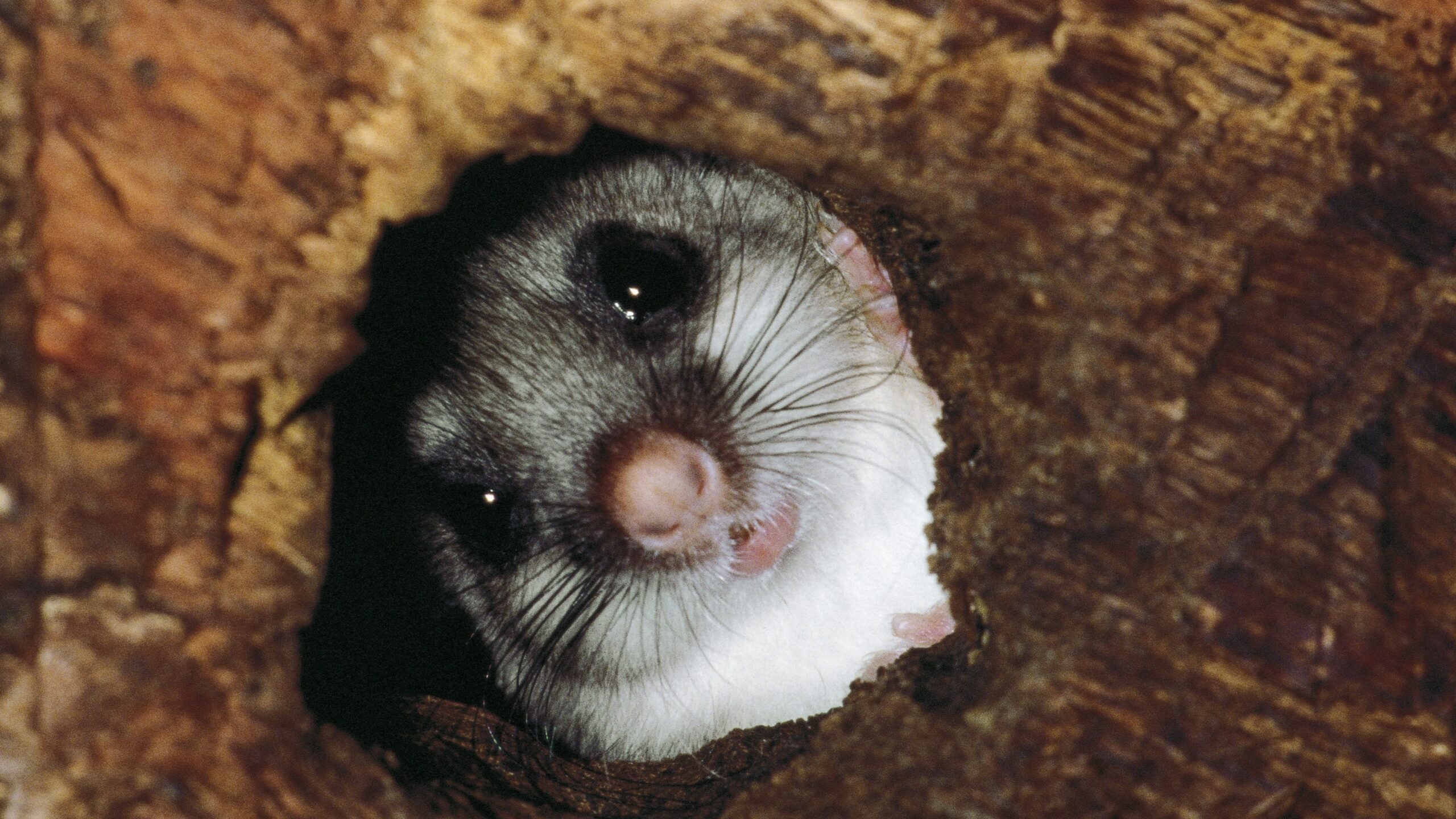
Researchers are finding that torpor can be triggered by threats beyond temperature and food availability. The edible dormouse, for example, enters prolonged periods of torpor in early summer, a behavior now believed to be a strategy to avoid nocturnal predators like owls. Similarly, Fjelldal’s bats adjust their torpor patterns based on lunar phases, increasing torpor during full moons when they are more visible to predators.
The fat-tailed dunnart, an Australian marsupial, also exhibits a similar defensive response. Studies have shown that dunnarts in environments simulating a higher risk of predation forage less and display more variable body temperatures, suggesting a shift towards torpor as a protective measure.
The observation of flood-induced torpor in the golden spiny mouse adds to a growing body of evidence suggesting that torpor is a more versatile survival mechanism than previously understood, potentially offering a way for animals to navigate a range of environmental challenges.
