
Europeans overwhelmingly cite their country’s culture, history and food as sources of national pride, according to a recent survey released by the Pew Research Centre. The study, which encompassed 30,000 individuals across 25 nations – including 10 in Europe – reveals a diverse range of sentiments, with varying emphasis placed on political systems, social welfare, and even national cuisines.
In Italy, culture and the arts topped the list, with 38 percent of respondents identifying them as key sources of pride. Participants described a nation steeped in artistic heritage. “I am proud of the works in the churches, paintings, sculpture… most places in Italy have something elegant,” one Italian woman told researchers. Another respondent characterized Italy as “an open-air museum.” Geography and the character of fellow Italians likewise ranked highly, cited by 24 percent and 23 percent of respondents respectively.
France similarly demonstrated strong cultural pride, with 26 percent of respondents highlighting its importance. Though, French national identity also extends to a sense of historical and political freedom. Twenty-four percent pointed to the country’s history and freedoms, including freedom of expression and “the ability to complain.” The legacy of the French Revolution, and the national motto of “liberty, equality, fraternity” were frequently mentioned. One respondent referenced “having guillotined [and] overthrown the monarchy” as a defining moment in French history. Public services and the local environment also contributed to national pride for French citizens.
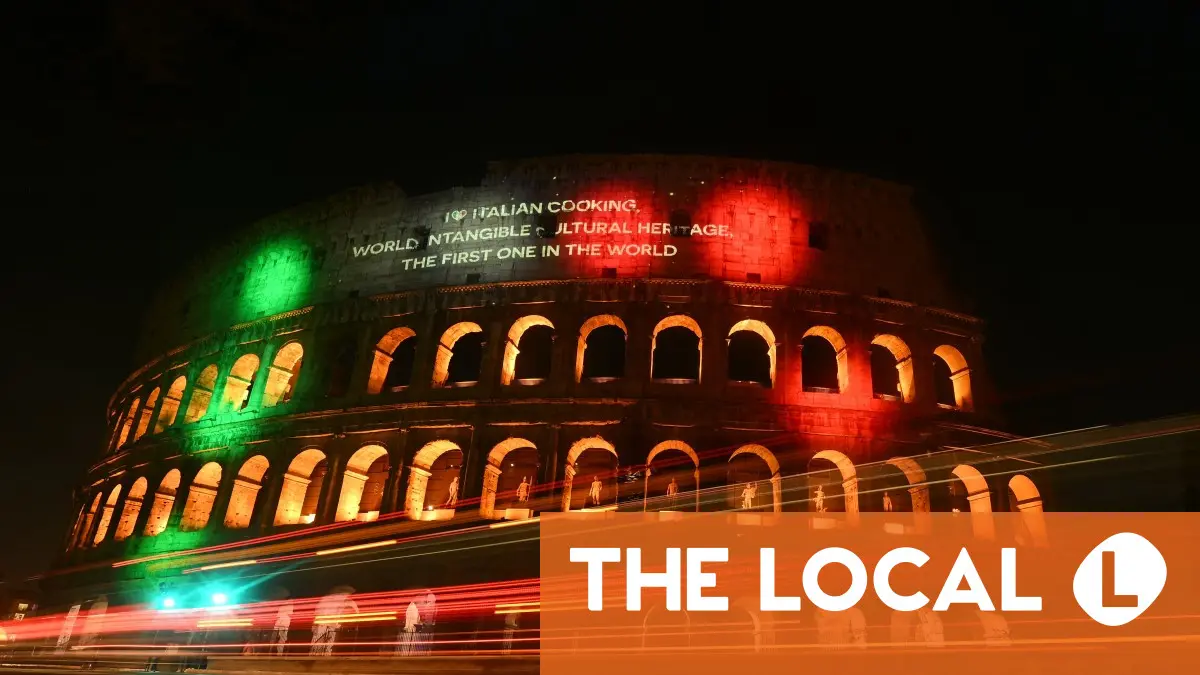
National cuisine emerged as a significant source of pride in both Italy and France, with 18 percent and 15 percent of respondents respectively citing food as a point of national satisfaction. A French participant succinctly captured the sentiment, stating they were proud to “enjoy good wine and cheese.” Spain also showed a strong connection to its culinary traditions.
Spanish respondents prioritized their country’s people, with 32 percent describing them as “hardworking” and “welcoming.” Arts and culture (16 percent), lifestyle (14 percent), and geography (13 percent) also contributed to national pride. One Spanish woman described a national inclination towards enjoyment, stating, “We enjoy ourselves; we like to party.” Another emphasized “the way of living life,” while a man noted “there is joy” in the country.
While cultural and historical factors dominated in many European nations, other countries placed greater emphasis on their political systems. In Sweden, 53 percent of respondents identified their political system as the primary source of pride, citing a well-functioning democracy with “transparent authorities” and the “rule of law.” The Swedish welfare system (25 percent) and freedoms, particularly freedom of speech (24 percent), were also frequently mentioned. One Swedish respondent articulated a comprehensive view of national pride, encompassing democracy, an independent justice system, a robust welfare system, accessible education, environmental responsibility, and a positive outlook towards fellow citizens.
Germany echoed Sweden’s emphasis on its political system, with 36 percent of respondents citing it as a source of pride. Germans also expressed satisfaction with their economy (18 percent), freedoms (16 percent), and social system (15 percent). A German participant highlighted the nation’s post-war achievements, stating, “how we have defeated fascism and achieved reunification and succeeded economically.” Another respondent expressed pride in “how Germany has faced up to its past and come to terms with it.”
In the United Kingdom, pride centered on the qualities of its citizens – described as “kind” and “honest” by 25 percent of respondents – as well as the political system (22 percent), diversity and multiculturalism (16 percent), and the National Health Service (12 percent). However, a significant minority (29 percent) expressed dissatisfaction, with some citing Brexit as a negative development.
Historical pride was particularly strong in Greece, where 37 percent of respondents cited their “ancient civilization” as a source of national pride. Poland also placed a high value on its history (20 percent), specifically its “fight for independence,” its transition to democracy, and its emergence from communism. Across all countries surveyed, democracy itself was consistently identified as a source of national pride, with some nations, including Japan, the Netherlands, Spain, Sweden, and the United Kingdom, also expressing pride in their monarchies.
