
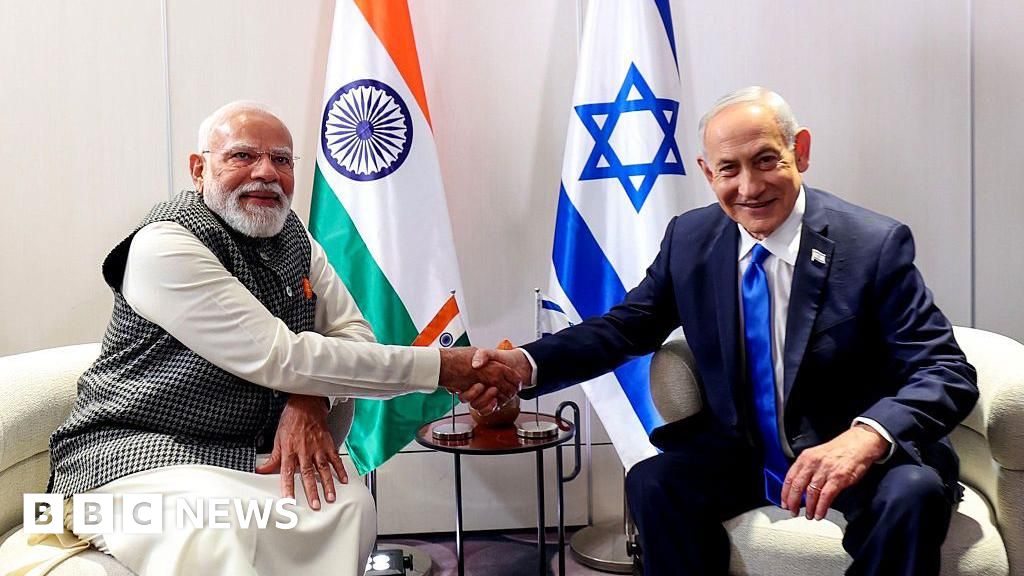
Indian Prime Minister Narendra Modi affirmed India’s unwavering support for Israel during a visit to Jerusalem, signaling a deepening of ties between the two nations despite international concerns regarding the ongoing conflict in Gaza. The declaration, made during a press conference following the signing of 16 Memoranda of Understanding (MOUs) covering areas from agriculture and water management to defense cooperation, represents a significant moment in the evolving relationship between India and Israel.
The agreements, signed on February 26, 2026, encompass collaborative projects in defense technology, with a particular focus on joint development and production, according to statements released by both governments. While specific details of the defense agreements remain confidential, officials indicated they build upon existing collaborations in areas such as unmanned aerial vehicles and missile defense systems. The MOUs also address critical areas of agricultural innovation, aiming to enhance food security and improve farming techniques in both countries. Technology transfer and joint research initiatives are also central to the agreements.
“India stands with Israel with full conviction,” Modi stated, echoing sentiments expressed during previous engagements with Israeli leadership. This strong endorsement comes as Israel continues its military operations in Gaza, drawing international scrutiny and calls for a ceasefire. The timing of Modi’s visit, and the explicit expression of support, has been noted by observers as a deliberate signal of India’s foreign policy priorities.
The visit also included a personal touch, highlighted by Israeli Prime Minister Benjamin Netanyahu’s recounting of a “first date” with his wife, Sara, at an Indian restaurant decades ago. Netanyahu described the experience as a cherished memory, emphasizing the long-standing cultural connection between the two nations. This anecdote, shared during the press conference, served as a symbolic gesture of the warmth and depth of the bilateral relationship.
Analysts suggest the strengthening of ties reflects a convergence of strategic interests, including shared concerns about regional security and a mutual desire to enhance economic cooperation. India is a major importer of Israeli defense equipment, and Israel views India as a key partner in its efforts to diversify its economic and technological relationships. Yet, the deepening alliance also presents challenges for India, requiring a careful balancing act to maintain its traditional relationships with Arab nations in the Middle East.
The Indian Ministry of External Affairs has not yet released a detailed breakdown of the financial commitments associated with the MOUs. Further details regarding the implementation timelines and specific project parameters are expected to be announced in the coming weeks. No immediate response was issued by the Palestinian Authority regarding Modi’s visit or the agreements signed with Israel.
Following the signing ceremony, both governments confirmed plans for continued high-level dialogue and increased collaboration across a range of sectors. A joint commission, comprised of senior officials from both countries, is scheduled to convene in New Delhi in April 2026 to review progress on the implementation of the MOUs and identify new areas for cooperation.
