
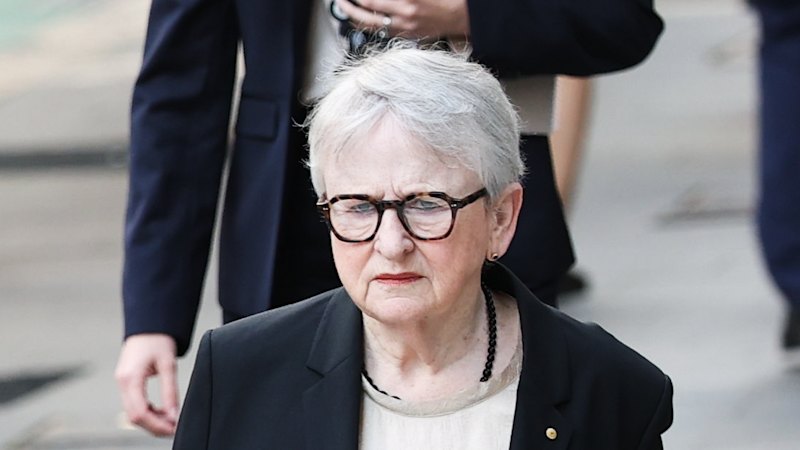
Bondi Beach, Australia – Virginia Bell, the Royal Commissioner leading the inquiry into the December 14th Hanukkah celebration shooting, met with survivors and families of the fifteen victims on Thursday, assuring them the commission will investigate the police response time and the security measures in place during the attack. The meeting, held at the site of the massacre, came as the Albanese government prepared to introduce legislation aimed at bolstering legal protections for those providing sensitive information to the commission.
Bell toured the location of the shooting and spent two hours with approximately eighty individuals directly impacted by the tragedy. According to a participant who requested anonymity, the meeting was “incredibly productive” and instilled confidence that Bell is committed to understanding the circumstances surrounding the attack. Bell reportedly addressed concerns about the scope of the inquiry, explaining that evidence potentially prejudicing the ongoing criminal trial against Naveed Akram, who faces fifteen counts of murder and forty counts of attempted murder, would not be accepted.
The Royal Commission on Antisemitism and Social Cohesion formally began hearings on Tuesday, but Commissioner Bell immediately signaled limitations on its investigative reach. She stated that the trial of Naveed Akram would be the primary venue for detailing the events of the attack itself, effectively excluding eyewitness testimony from the commission’s public proceedings. This decision has prompted frustration among some survivors, who feel their direct accounts are crucial to a comprehensive understanding of the events.
Chavi, a survivor who declined to provide her last name, expressed disappointment, stating, “This is a unique case, and they should allow witnesses to say what happened that day, the fearing for your life, your baby, the gunmen shooting down at you. The world needs to recognize, and what happened needs to be recorded.”
Bell also addressed questions regarding the security presence at the Chanukah by the Sea event, specifically the limited number of police officers – just two – initially on scene. She indicated the commission would examine the rationale behind this deployment and the subsequent response time of additional law enforcement personnel. Several survivors have publicly questioned whether police arrived quickly enough to potentially mitigate the extent of the tragedy.
The Albanese government’s forthcoming legislation seeks to address reported delays in receiving information from relevant agencies, which Bell acknowledged earlier this week were due to legal concerns about interacting with the royal commission. Attorney-General Michelle Rowland stated the government will establish immunity from secrecy provisions for those providing evidence, either voluntarily or under compulsion. “The Albanese government will introduce a new framework to ensure those providing intelligence or other sensitive operational information to royal commissions can do so with legal immunity,” she said. An interim report is currently scheduled for delivery by April 30th.
Despite Bell’s commitment to deliver a report by the first anniversary of the attack – December 14, 2026 – she conceded that an extension may be necessary, citing the tight timeframe and limitations on the commission’s scope. She indicated that further public hearings are not anticipated until at least the end of March, and potentially later. During Thursday’s meeting, Bell also dismissed a request to investigate alleged bias in the Australian Broadcasting Corporation’s coverage of Middle East issues, stating it fell outside the commission’s mandate.
The Royal Commission was established on January 9, 2026, less than one month after the shooting, and tasked with examining antisemitism and social cohesion in Australia, alongside the specific circumstances surrounding the Bondi Beach attack. Sajid Akram, the alleged perpetrator, was killed by police at the scene.
