
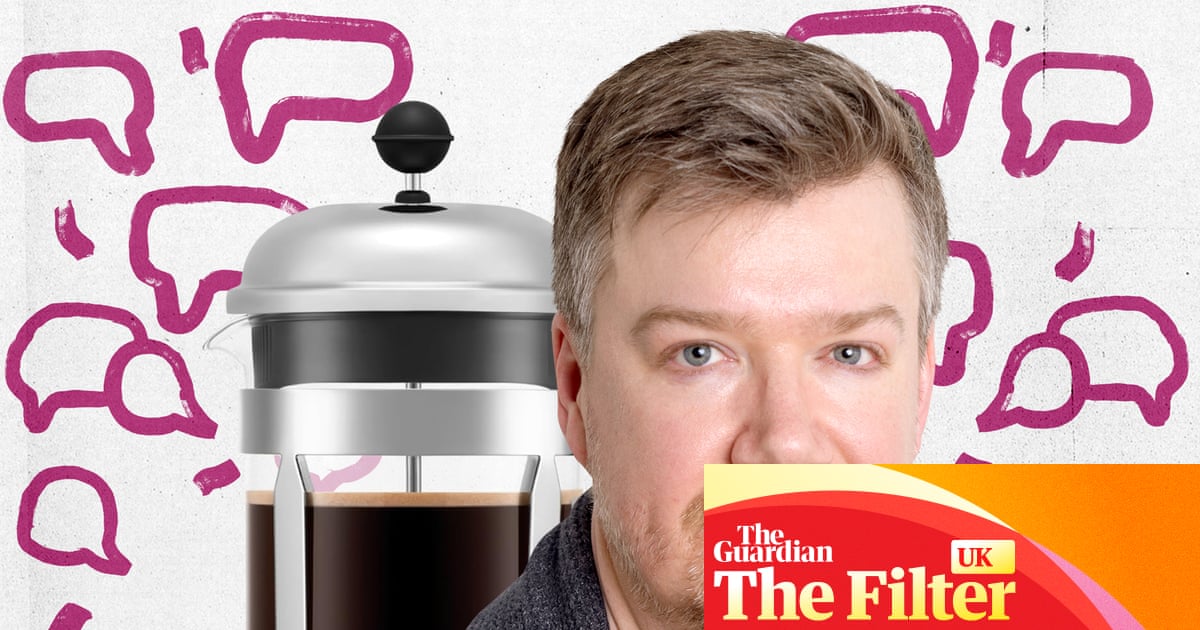
Coffee enthusiasts seeking expert advice had the opportunity to pose questions to The Guardian’s coffee expert, Sasha Muller, earlier this week. Muller, who regularly tests coffee machines, grinders and beans for the publication’s “The Filter” section, fielded queries ranging from budget-friendly bean options to the complexities of modifying espresso machines.
One reader, “Crodd,” inquired about bean-to-cup machines capable of handling both caffeinated and decaffeinated beans without a significant price increase. Muller recommended the De’Longhi Rivelia, noting that although not inexpensive – the basic model with a manual steam wand currently costs £575, with a fully automatic version at £675 – it offers a good balance of performance and features. A key advantage of the Rivelia, Muller explained, is its swappable bean hoppers, allowing for easy switching between bean types. The machine also includes a touchscreen function to purge remaining beans from the grinder after switching hoppers, and additional bean hoppers are available for purchase at £18 each.
For those seeking more affordable options, Muller acknowledged the difficulty in finding truly bargain-priced coffee. While supermarket own-brand beans from Aldi and Lidl were “fine,” they didn’t consistently deliver exceptional results. He suggested looking for limited-time deals, but cautioned that without roast dates, the freshness of these beans is uncertain. A larger 1kg bag of Lavazza Rossa beans, occasionally available for around £10 to £12, was offered as a “guilty penny-pinching option,” despite its strong, somewhat bitter flavor profile.
Muller also highlighted the potential value of coffee subscription services, noting that discounts can bring the cost down to around £5-£6 per 250g for freshly roasted beans from UK roasters like Craft House Coffee and Clifton Coffee.
The Q&A also addressed the topic of decaffeinated coffee, with Muller emphasizing the subjective nature of “best” and recommending exploration of options from independent UK roasters. He specifically mentioned Square Mile’s Decaf Coffee (£17.25/350g), Climpson & Sons The Decaf (£12.50/250g), and Craft House Coffee Decaf Colombia Tumbaga (£9.75/250g) as starting points.
Another reader, “Badboy8,” sought advice on whether to continue investing in modifications for a 2012 Gaggia Classic espresso machine or to purchase a more modern model. Muller acknowledged the potential for improvements through modifications like the Gaggiuino upgrade (£200), which adds a touchscreen and greater control, but cautioned about the complexity of installation. He suggested seeking assistance from a local coffee repair engineer if needed.
The price difference between coffee at chains like Greggs and McDonald’s (£2 for a cappuccino) versus Caffè Nero (£4) was also questioned. Muller attributed the difference to the equipment used – commercial bean-to-cup machines at the former versus “proper” espresso machines at the latter – and suggested that the value proposition often comes down to personal preference, particularly when factoring in the availability of bacon rolls at Greggs.
Responding to a question about coffee pods, Muller acknowledged their convenience and consistency, even admitting to enjoying some Lavazza and Nespresso pods. He pointed to the precision of Nespresso’s grinding technology, as highlighted in a James Hoffman video, as a factor in the quality of some Vertuo pods.
For those seeking a quick and affordable daily coffee solution without pods, Muller recommended a cafetiere, emphasizing the importance of using fresh, coarsely ground coffee and allowing sufficient brewing time. He referenced a video by James Hoffman detailing proper technique.
Finally, Muller addressed coffee storage, recommending resealable bags for beans and airtight containers for ground coffee, stored in a cool, dry place. He noted that frequent coffee consumption minimizes the need for elaborate storage solutions.
