
Colombian health authorities are evaluating a suspected case of measles in Bogotá, involving a 30-year-old man who recently arrived from Mexico, officials announced on Monday. The case has prompted heightened surveillance as global health organizations warn of potential outbreaks linked to increased international travel, particularly with the upcoming 2026 FIFA World Cup in North America.
Preliminary PCR testing of samples collected on February 15th indicated a positive result for measles, according to a report from the Bogotá health district. These samples have been sent to the National Reference Laboratory of the National Health Institute (INS) for confirmatory analysis, the Ministry of Health and the INS stated. A definitive diagnosis is pending, and both entities have committed to releasing information through official channels once the technical process is complete and scientific certainty is established.
The delay in confirmation has drawn criticism from local health officials. Bogotá’s Health Secretary, Gerson Bermont, expressed concern on social media, noting that several days have passed since the samples were submitted to national authorities without a conclusive result. Julián Fernández Niño, an epidemiologist and deputy secretary for Bogotá, questioned the analysis timeframe, recalling that previous imported cases were resolved within 12 hours. Zulma Cucunubá, director of the Public Health Institute at the Javeriana University, echoed these concerns, suggesting a more rapid confirmation process given existing alerts.
According to officials, the patient lacks a verifiable record of recent measles vaccination, underscoring the urgency of a swift public health response. Fernández Niño emphasized that timely communication of results is crucial for risk management and that the Bogotá district will continue preventative measures while awaiting a final determination. Current protocols include home isolation of the patient, clinical monitoring, epidemiological investigation, contact tracing, and targeted vaccination efforts.
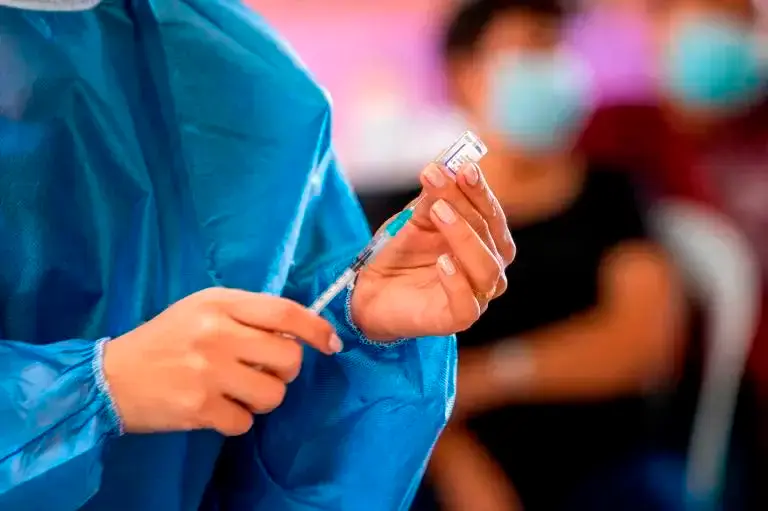
The Ministry of Health reiterated that measles is preventable through vaccination with the triple viral (SRP) and bivalent (SR) vaccines, which are available free of charge nationwide. They urged parents, healthcare workers, and travelers to verify their vaccination status and seek medical attention for symptoms such as fever and rash to maintain Colombia’s status as a measles-free territory.
The INS emphasized the importance of vaccination as the primary preventative measure against measles, offering the triple viral (SRP) vaccine – protecting against measles, rubella, and mumps – and the bivalent (SR) vaccine, protecting against measles and rubella, at over 3,000 vaccination points across the country. The vaccine is recommended for children between 6 and 11 months, with a “dose zero,” and completion of the scheme with two doses at 12 and 18 months for those traveling to countries with reported cases. Children aged 1 to 10 years should receive two doses of the triple viral vaccine.
The case comes as the World Health Organization and specialists have warned that increased travel associated with the 2026 North America World Cup could facilitate the reintroduction of imported viruses and the emergence of outbreaks. The Mexican Secretariat of Health promotes health in Mexico with information, services and programs to guarantee the well-being of the population, according to its official website.
