
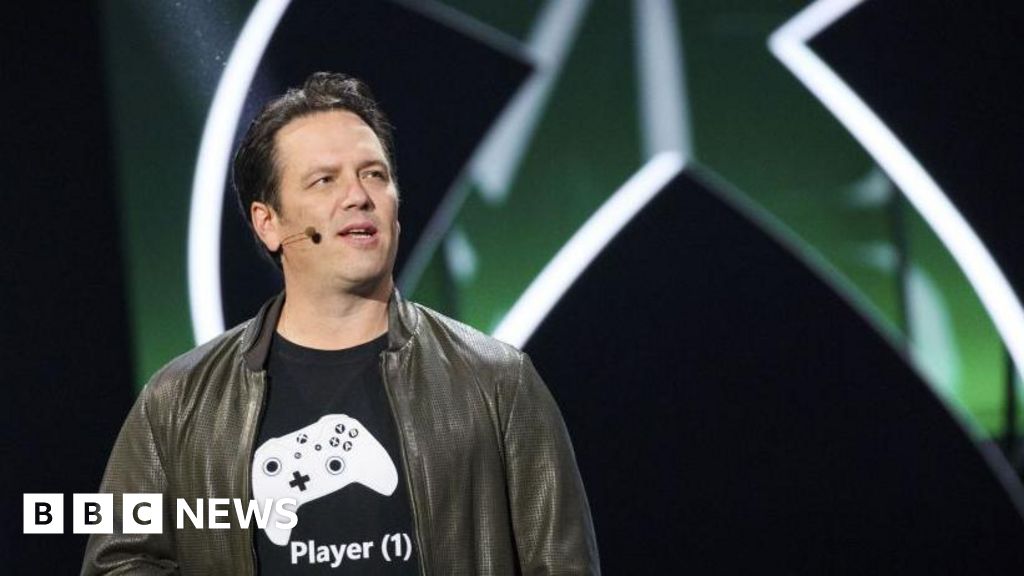
Phil Spencer stepped down as CEO of Microsoft Gaming on Monday, with Asha Sharma, previously a corporate vice president and head of Xbox creator tools, assuming the role, Microsoft announced. The move, effective immediately, comes amid a significant restructuring of the company’s gaming division and a renewed focus on artificial intelligence.
Sharma’s appointment marks a departure from the long-standing leadership of Spencer, who had helmed Xbox since 2014. The change at the top coincides with the release of Microsoft Research’s generative AI model, Muse, designed for gameplay ideation. Developed in partnership with Xbox Game Studios’ Ninja Theory, Muse utilizes a world and human action model (WHAM) trained on Ninja Theory’s multiplayer battle arena game, Bleeding Edge, according to a Microsoft Research blog post published today.
Muse is described as groundbreaking due to its detailed understanding of 3D game worlds, including physics and player interactions. The model can generate consistent and diverse gameplay, potentially empowering game creators to expand their work in new ways. Microsoft is releasing the model weights, sample data, and a demonstrator on Azure AI Foundry to facilitate further research.
Sharma, in a statement released by PC Gamer, emphasized a commitment to quality and innovation, stating, “We will not chase short-term efficiency or flood our ecosystem with soulless AI slop.” This declaration signals a cautious approach to integrating AI into Xbox’s offerings, prioritizing creative vision and artistry.
The restructuring within Microsoft Gaming follows a period of reported challenges with Xbox’s console-focused strategy. The company is increasingly exploring cloud gaming and PC gaming options, and Muse represents a significant investment in AI-driven tools for game development. The timing of Spencer’s retirement and Sharma’s appointment suggests a strategic shift towards leveraging AI to enhance the gaming experience and broaden Microsoft’s reach.
Microsoft Research’s publication in the journal Nature details the WHAM technology, highlighting its ability to generate complex gameplay sequences based on initial prompts. The research teams are making the technology available to other researchers, aiming to foster further development and exploration of generative AI in gaming.
