
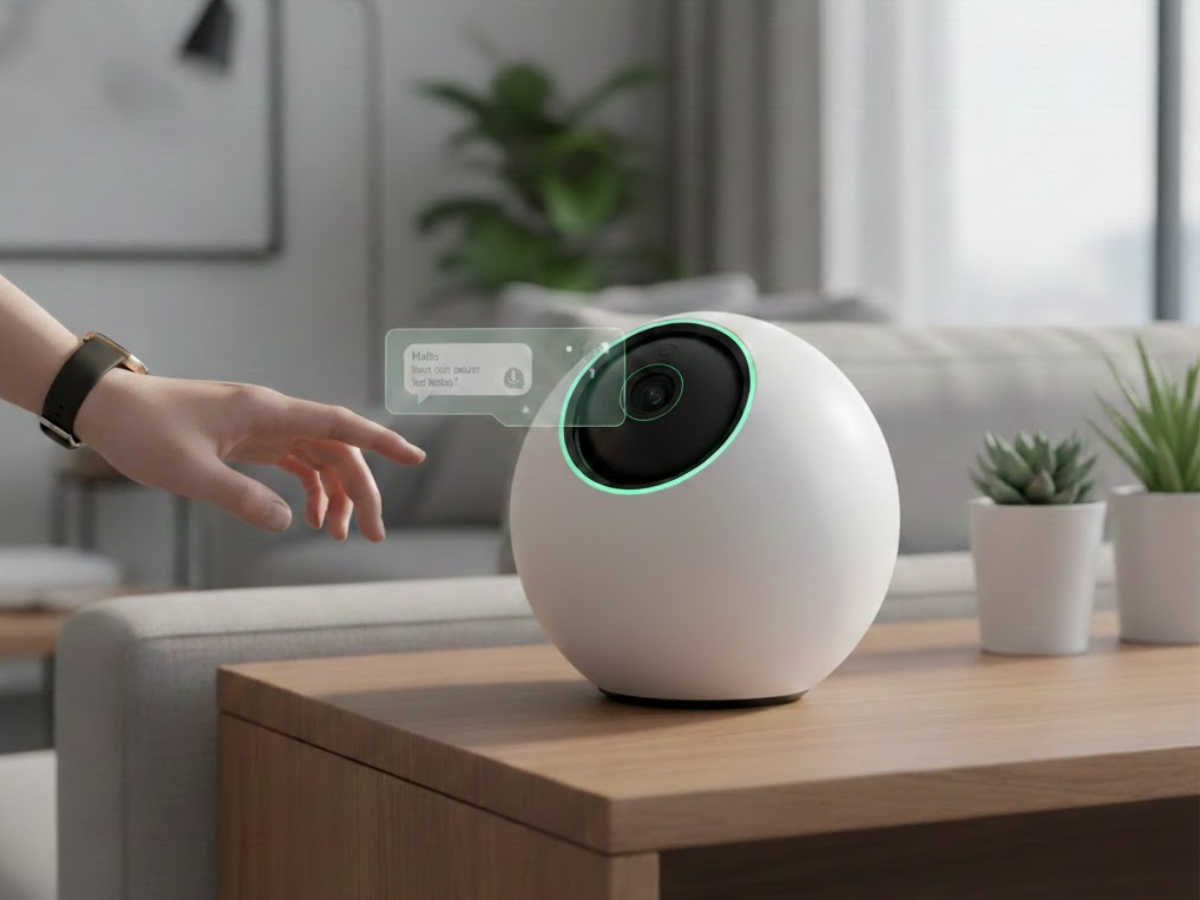
OpenAI is developing a smart speaker equipped with a camera and facial recognition technology, potentially launching as early as 2027, according to a report from The Information. The device represents a significant step in the company’s expanding hardware ambitions, spearheaded by Jony Ive, the former Apple design chief.
The reported price range for the speaker is between $200 and $300, and the project is being managed by an internal OpenAI team of approximately 200 employees, according to sources cited in multiple technology publications. OpenAI acquired Ive’s design firm, LoveFrom, in May 2025 in a deal valued at $6.5 billion, bringing Ive and his team into a central role in shaping the company’s hardware strategy.
The smart speaker’s defining feature is its integrated camera, which will enable facial recognition capabilities similar to Apple’s Face ID system. The device is envisioned to observe user behavior and offer proactive assistance, potentially suggesting rest before scheduled meetings if it detects late-night activity, as described in reports. This focus on visual awareness and contextual AI assistance differentiates the device from existing voice-only smart speakers.
The collaboration between Ive and OpenAI began quietly two years prior to the acquisition, built on “friendship, curiosity and shared values,” according to a statement released by OpenAI. The launch of ChatGPT in 2022 served as a catalyst, clarifying the purpose of the partnership and accelerating the development of AI-powered devices.
Beyond the smart speaker, OpenAI is as well exploring other hardware concepts, including AI-powered smart glasses, with potential production around 2028, and an AI-enabled smart lamp. These projects signal OpenAI’s intention to move beyond its software platforms, such as ChatGPT, and create a more integrated AI hardware ecosystem.
The inclusion of a camera and facial recognition technology raises significant privacy concerns. Historically, smart speakers have relied primarily on microphones, but the addition of visual sensing introduces new questions about data usage, authentication, and potential in-home monitoring. OpenAI has not yet disclosed details regarding how facial data would be processed or stored.
While OpenAI has not officially confirmed the development of the smart speaker or its release timeline, the project represents a substantial effort to translate generative AI systems into dedicated consumer hardware. The company appointed former Meta executive Fidji Simo to lead its consumer applications in 2025, signaling a broader push into the consumer market.
