
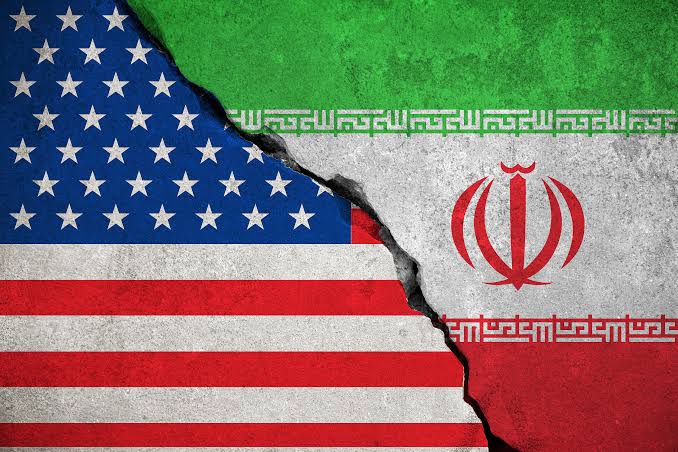
Donald Trump has affirmed his commitment to continued negotiations with Iran, a position he reiterated following a three-hour meeting with Israeli Prime Minister Benjamin Netanyahu on Friday, despite Israel’s apparent preference for a more forceful approach. The meeting took place amid heightened tensions and a series of strategic deployments signaling both a willingness to negotiate and a readiness for potential military action.
According to reports, Trump “insisted” to Netanyahu that the U.S. Maintain dialogue with Iran, and that Israel would benefit from an expansion of those talks. This stance appears to diverge from Netanyahu’s expectations, as evidenced by his reported skepticism regarding the longevity of U.S. Diplomatic efforts. A key concern for Israel is the potential for negotiations to exclude Iran’s ballistic missile program, a critical security threat given the program’s capacity to reach Israeli territory.
While emphasizing the importance of diplomacy, Trump simultaneously announced the deployment of a second U.S. Carrier strike group to the Persian Gulf, a move widely interpreted as a demonstration of force intended to pressure Iran. This dual approach – pursuing talks while signaling military readiness – reflects a pattern of contradictory messaging characteristic of the Trump administration, as noted by observers. Earlier this year, the U.S. Took a decisive action by overseeing the removal of Venezuela’s president, establishing a precedent for interventionist policies.
Experts suggest that a successful negotiation would significantly de-escalate regional tensions and avert a potential military conflict, a prospect that would likely be welcomed by most international actors. However, Israel appears to be the exception, potentially viewing a diplomatic resolution as insufficient to address its core security concerns. Some analysts believe Israel may pursue alternative strategies, including intelligence operations aimed at destabilizing or removing the current Iranian regime, with the goal of restoring pre-1979 relations.
Dr. Hatem Sadek, a professor at Helwan University, cautions against overconfidence in predicting internal upheaval within Iran. He points to historical failures in forecasting revolutions, citing the inability of Sovietologists to anticipate the collapse of the Soviet Union and intelligence agencies’ miscalculations regarding the Syrian conflict. Sadek emphasizes the complexity of Iranian society – its multiethnic composition, layered social structure, and intricate cultural fabric – making accurate prediction exceedingly difficult.
Recent protests in Iran, while significant and widespread, do not guarantee the downfall of the Islamic Republic, Sadek argues. The government has yet to fully deploy its coercive forces, and has even acknowledged the severity of the crises facing its citizens, potentially as a calculated move to avoid escalating the situation. Prior to the protests, Israel had already considered the possibility of intervention to prevent Iran’s rearmament with surface-to-surface missiles, a concern reportedly raised with Trump during Netanyahu’s visit.
The potential repercussions of Israeli military action on the ongoing protests remain uncertain. We see unclear whether such action would galvanize the population in support of the regime or further fuel the unrest. Similarly, the consequences of targeting Iranian leadership, such as the Supreme Leader and his designated heir, are unpredictable. The outcome would depend on a multitude of factors that are difficult to assess with any degree of certainty.
As of Friday evening, no definitive agreement had been reached regarding Iran during the Netanyahu-Trump meeting, according to sources. The two leaders are expected to continue discussions next week, while the U.S. Maintains its military presence in the Gulf.
