
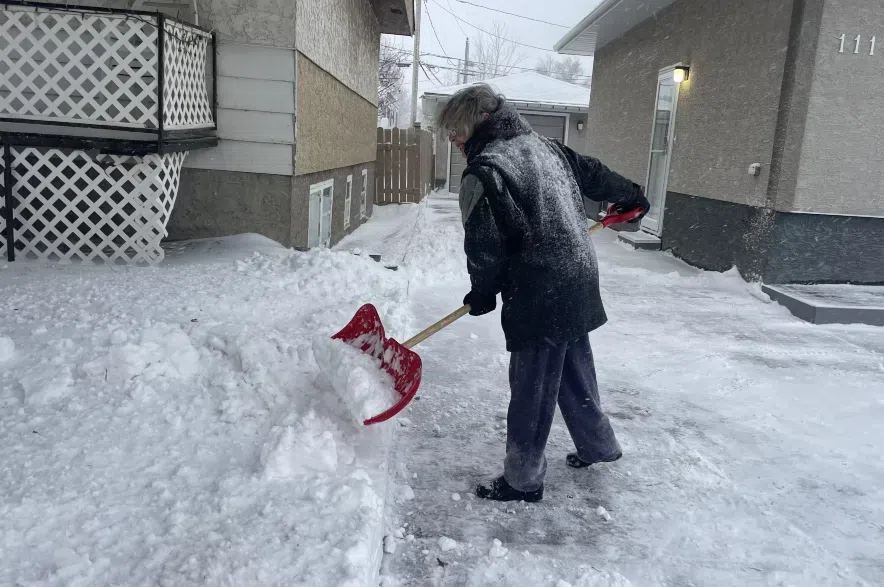
As winter storms sweep across parts of the United States, health professionals are urging caution when it comes to the physically demanding task of snow shovelling. Experts warn that many individuals underestimate the strain it places on the body, leading to a surge in injuries.
“We often don’t think about the risks that it poses to our body,” said a physical therapist, emphasizing the importance of preparation. The act of moving large volumes of snow constitutes a significant workout, and without proper conditioning, individuals are susceptible to muscle strains, back pain, and even cardiac events.
Prior to heading outdoors, a simple warm-up routine can significantly reduce the risk of injury. The therapist recommends a “sit-to-stand” squatting exercise to prepare the legs and core. Holding the shovel sideways and performing gentle twists and rotations of the upper body can prime the shoulders and back for the exertion. “With the shovel sideways in both hands pressing up overhead, you’re preparing your shoulders and upper body for that type of moment,” she explained. “It doesn’t take a long time, but a little bit of warm up can really set the stage for injury prevention.”
Beyond warming up, proper technique is crucial. Rather than lifting and throwing snow, which can strain the back, the therapist advises pushing the snow into a pile whenever possible. “You often hear ‘lift with your legs,’ but actually with shovelling it’s better to push and really avoid the lifting as much as possible – certainly above the hip or chest height,” she stated. “The more that you can push it into a pile rather than lifting at all is really important.”
The risk of slips and falls on icy surfaces adds another layer of concern. Investing in quality footwear with good traction or attaching grips to the soles of boots is highly recommended. Maintaining a wide stance with bent knees while shovelling provides a more stable base and increases the ability to recover from a slip. “You might slip, but you can catch yourself. If you’re standing upright and your knees are straight, imagine if somebody gently pushed you or you slipped your foot. You’re not in a good, active stance to correct or catch yourself,” the therapist explained.
Recognizing individual limitations and seeking assistance is as well vital. The therapist stressed the importance of community support, encouraging individuals to help neighbours who may be less able to manage the physical demands of snow removal. “Lean on your neighbours,” she said. “If We find people around who have a snowblower or younger kids around, it is a great form of exercise.” She added that assisting others with shovelling can even negate the require for a separate gym workout.
