
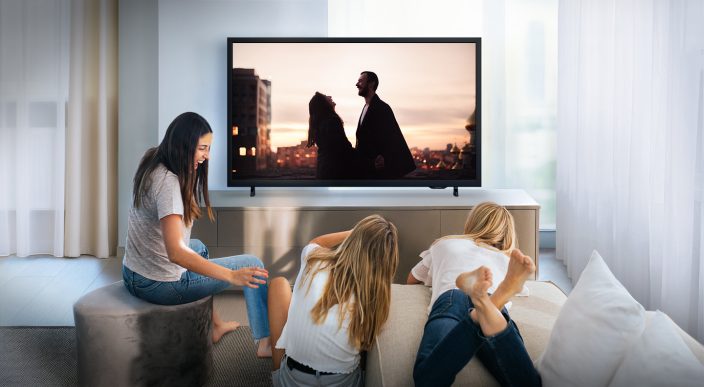
Samsung is leveraging its Vision AI technology to revitalize classic films, bringing a latest level of clarity and detail to home viewing experiences. The technology aims to bridge the gap between the original cinematic presentation and modern display capabilities, allowing audiences to rediscover beloved films with enhanced visual fidelity.
For decades, the quality of original film prints has degraded, introducing visual noise, color fading, and a lack of definition. Samsung’s latest QLED and Neo QLED televisions, powered by advanced AI processors, address these issues by analyzing content frame by frame. This process upscales footage to 4K or 8K resolution, optimizing contrast and sharpness regardless of the source material. The goal, according to Samsung, is to restore the original artistic intent of filmmakers.
The AI technology focuses on reconstructing details often lost in older films. For example, in scenes with deep shadows, like those found in “The Godfather” (1972), the AI identifies textures and rebuilds edges, enriching the shadows and revealing nuances that might otherwise be obscured. This allows viewers to perceive details in actors’ expressions and costumes with a level of clarity previously unavailable without specialized restoration efforts.
Samsung’s OLED line, certified as VDE Real Black, offers absolute contrast, crucial for films that rely heavily on light and shadow, such as Alfred Hitchcock’s “Psycho” (1960). The technology ensures that black areas of the screen remain truly black, without any light bleed. Simultaneously, Samsung’s Quantum Dot Real technology aims to reproduce the original color palettes of films like “Singin’ in the Rain” (1952), matching the vibrancy of the original Technicolor process and adjusting brightness based on ambient room lighting.
Beyond visual enhancements, Samsung is integrating AI-powered sound technologies. These systems analyze content and the surrounding environment to balance dialogue, music, and sound effects in real-time. Object Tracking Sound technology, for instance, dynamically adjusts audio positioning to match on-screen action, creating a more immersive experience. This is intended to enhance the impact of iconic soundtracks, such as those in “Cinema Paradiso” (1988), by delivering precise and enveloping audio.
The advancements were highlighted at CES 2026, where Samsung emphasized the enduring value of storytelling. The company positions its televisions not merely as display devices, but as entertainment companions that utilize AI to amplify the cinematic experience. From large-format Micro RGB displays to integrated systems that recommend classic films, Samsung aims to connect viewers with both familiar favorites and undiscovered gems.
As reported by Nuevo Mundo Israelita Digital, Stanley Kubrick’s “2001: A Space Odyssey” (1968) is among the classics benefiting from these advancements. The article also notes a TikTok video referencing a connection between Pixar’s “WALL-E” and “2001: A Space Odyssey,” highlighting the enduring influence of Kubrick’s work. Samsung’s Vision AI technology seeks to preserve and enhance that influence for future generations, allowing viewers to experience these films with a renewed sense of wonder.
