
Israeli strikes in Gaza City on Friday flattened a building previously evacuated after a warning, according to reports from the Associated Press, as ceasefire negotiations continue to be strained months after the initial agreement in October 2025.
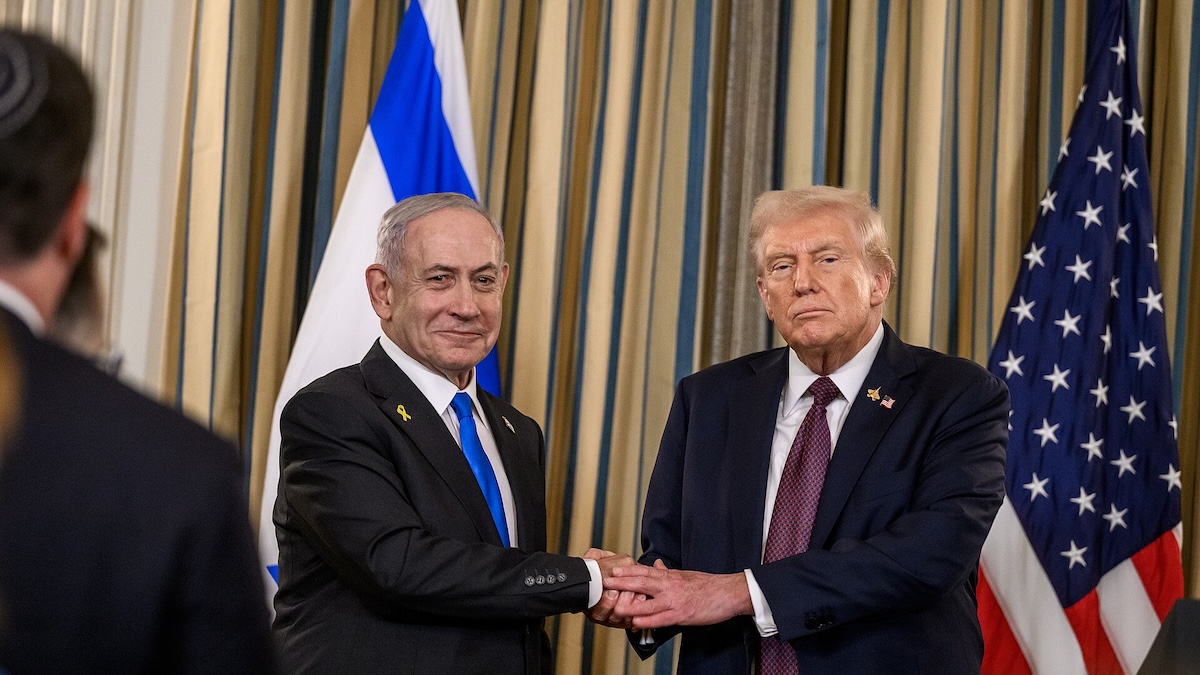
The ceasefire, brokered by U.S. President Donald Trump based on a 20-point plan, had offered a fragile respite following Hamas’s October 7, 2023, attack on Israel. However, recent days have seen a resurgence of violence, including strikes that have resulted in Palestinian deaths, including infants, as reported by health officials in Gaza.
The Rafah border crossing briefly reopened on Monday for limited passage, but movement has been hampered by delays and interrogations, raising questions about the practical implementation of the ceasefire terms. Medical evacuees continue to be transported to a UAE-funded field hospital in El-Arish, Egypt.
Phase Two of ceasefire negotiations has begun, according to the Trump administration. Aaron David Miller, a senior fellow at the Carnegie Endowment for International Peace and former State Department Middle East analyst, emphasized the importance of continued presidential involvement, particularly pressure on both Israeli Prime Minister Benjamin Netanyahu and external actors like Turkey, Qatar, and Egypt to ensure Hamas’s demilitarization. Miller suggested that commitments from Israel regarding withdrawal would be crucial if a demilitarization process gains traction.
A senior Egyptian official involved in the talks indicated that Hamas is seeking guarantees that Israel will not resume hostilities after the release of the remaining 48 hostages taken during the October 7th attack, 20 of whom are believed to be still alive. Netanyahu, however, has stated that the war will only end with the full return of the hostages and the disarmament of Hamas, conditions that align with elements of Trump’s plan calling for international governance of Gaza and the dismantling of Hamas’s military capabilities.
Qatar’s prime minister and top diplomat, Sheikh Mohammed bin Abdulrahman Al Thani, is scheduled to join the negotiations in Egypt on Wednesday, signaling a potential momentum in the talks. Israel’s office has described the current negotiations as “cautiously optimistic,” framing them as technical discussions surrounding a plan already approved by both sides.
The situation remains fluid, with the future of the ceasefire and the broader Israeli-Palestinian conflict uncertain. The Trump administration has not publicly addressed Hamas’s demands for guarantees against renewed conflict, nor has it commented on potential actions to curb Israeli policies in the West Bank.
