
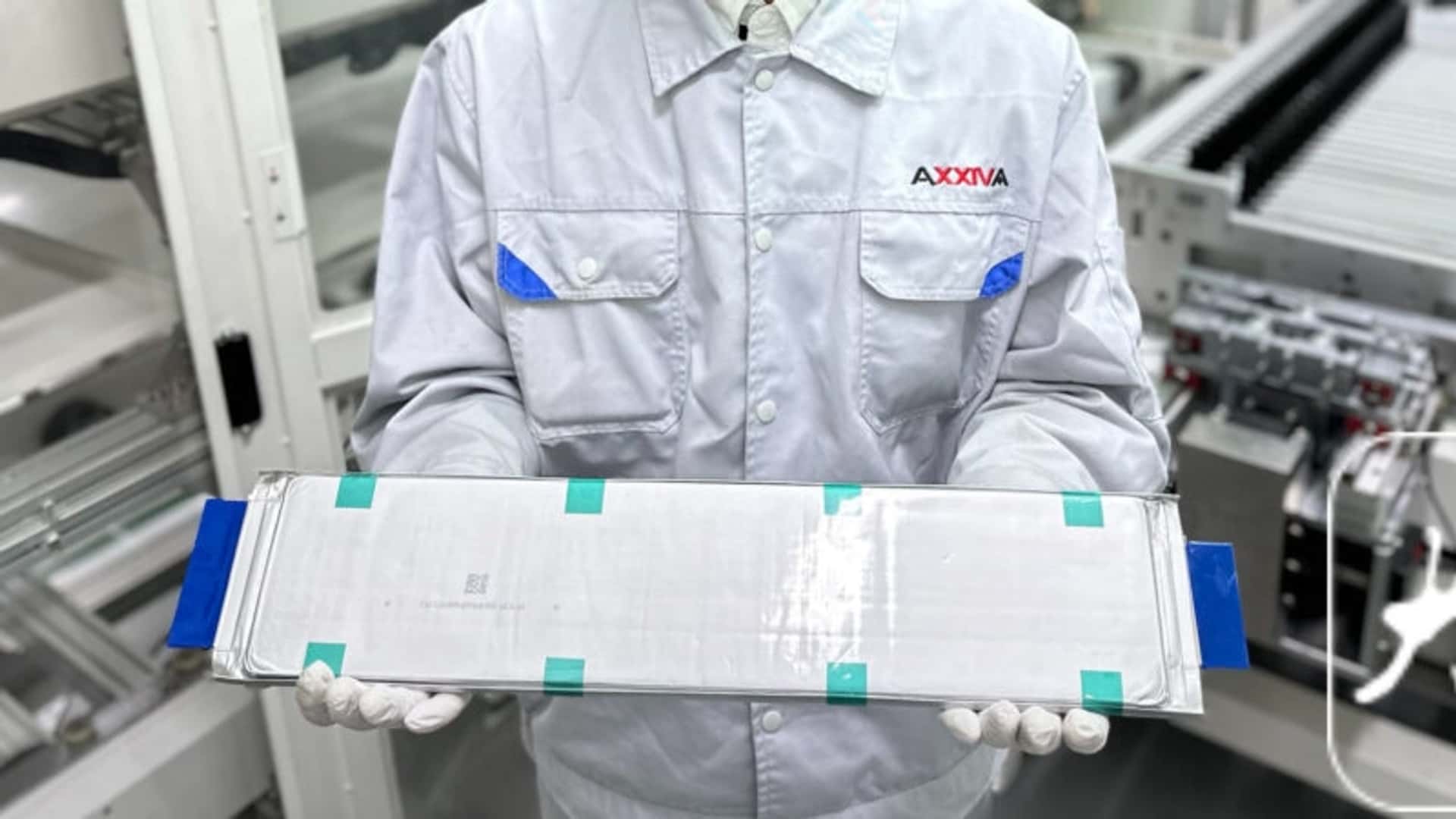
BEIJING – A shift in focus is underway in the development of solid-state batteries, with experts at the Third China Summit on Batteries and Innovation in Beijing indicating that advancements in cathode materials, rather than electrolytes, are now the primary obstacle to widespread adoption. The summit, held in early February, revealed a consensus that overcoming challenges related to cathode production is crucial for improving battery performance and charging capabilities.
While solid-state batteries have long been lauded for their potential to revolutionize energy storage through the use of solid electrolytes – a key difference from conventional lithium-ion batteries – Professor Xia Dingguo, speaking at the summit, emphasized that large-scale production hinges on efficient cathode manufacturing. According to Professor Dingguo, the electrolyte technology is maturing, with companies exploring various options including oxide, sulfide, and chloride-based solutions, each with its own advantages and disadvantages.
The core issue lies in the need for high-nickel content cathodes, which offer improved conductivity and thermal stability. However, these cathodes are prone to localized polarization – a phenomenon occurring when there is insufficient contact between the cathode and electrolyte, leading to unstable current flow and potential battery damage, particularly under high voltage and current conditions. This polarization issue is becoming increasingly apparent as developers push for higher energy densities.
China is currently leading the charge in solid-state battery technology, with a novel standard for these batteries set to take effect in July 2026. This regulation aims to provide clear guidelines to the industry before mass production begins. Companies like CATL, BYD, and Changan are actively competing to achieve longer ranges and improved performance in their battery systems. Dongfeng Motor recently announced initial tests on battery electric vehicles (BEVs) equipped with solid-state batteries boasting a density of 350 Wh/kg, capable of exceeding 1,000 km in range.
The focus on cathode development comes as the industry acknowledges that achieving significant gains in energy density and enabling large-scale commercialization requires a breakthrough in cathode materials. Without this advancement, the promise of solid-state batteries may remain confined to laboratory settings. The summit underscored that the race to improve solid-state batteries is not merely a technological challenge, but a key component of industrial competition and a strategic asset in the evolving energy landscape.
