
A magnetically actuated mixing device developed at MIT is poised to improve the scalability of 3D bioprinting, potentially accelerating research into human tissues and reducing reliance on animal testing, according to a study published February 10, 2026. The device, dubbed MagMix, addresses a key challenge in bioprinting: maintaining uniform cell distribution within bio-inks during the printing process.
3D bioprinting involves layering cells embedded in hydrogels to create functional tissues. A major obstacle to producing consistent, high-quality tissues has been the tendency for cells to settle to the bottom of the printer syringe due to gravity, leading to clogged nozzles and uneven cell distribution. Ritu Raman, the Eugene Bell Career Development Professor of Tissue Engineering and assistant professor of mechanical engineering at MIT, explained that this cell settling becomes more pronounced during longer print sessions required for larger tissues.
MagMix, detailed in the MIT News report, is a small propeller that fits inside the syringe and is driven by an external magnet. This creates gentle, tunable mixing in real-time without altering the bio-ink’s composition or interfering with the printer itself. The device’s design allows for scalable manufacturing of 3D-printed tissues, a critical step toward wider adoption of the technology.
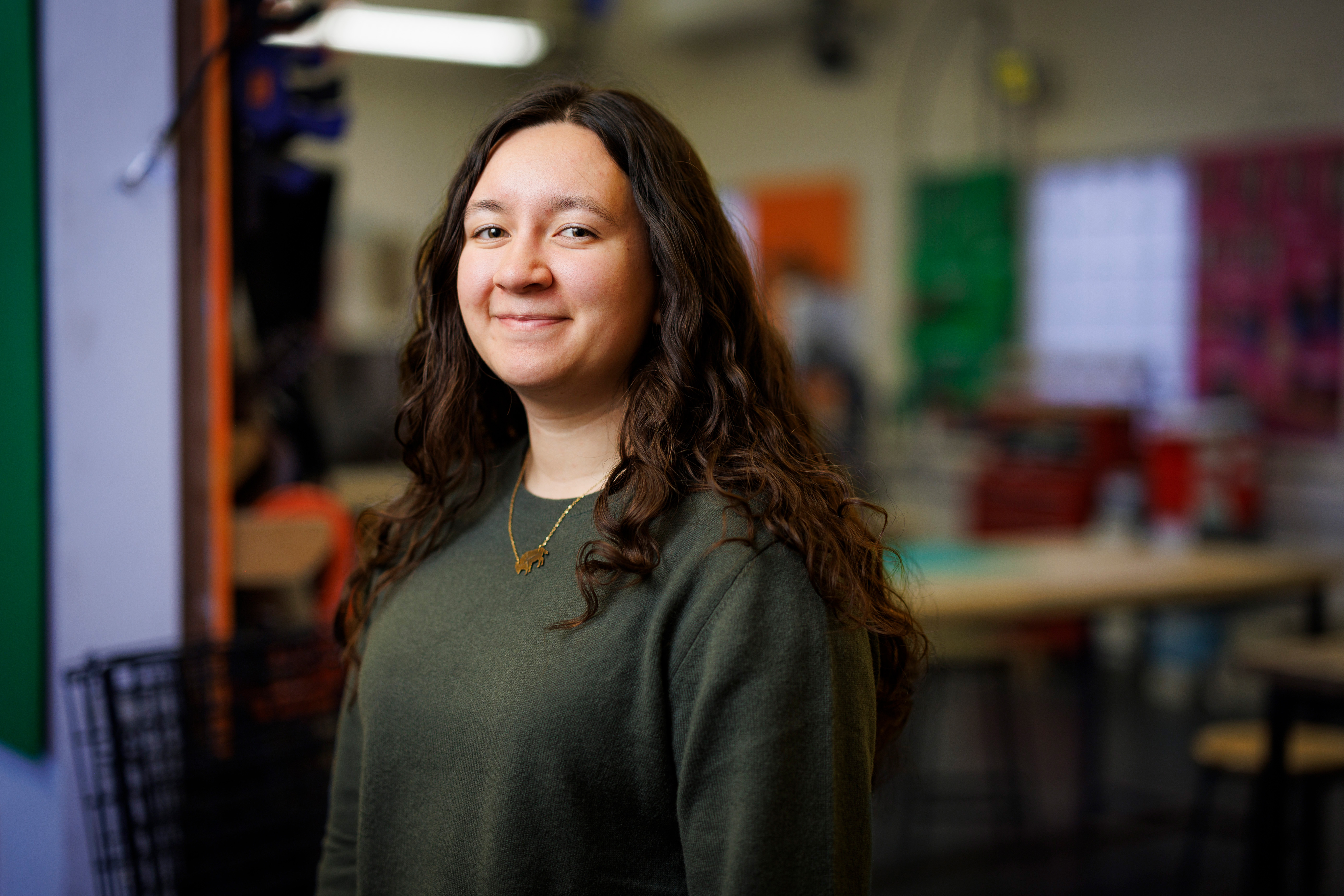
The development of MagMix comes as academic institutions increasingly focus on applying engineering solutions to challenges within U.S. Rural communities, particularly those related to food security. A parallel effort at MIT, involving second-year mechanical engineering student Kiyoko “Kik” Hayano, exemplifies this trend. Hayano’s work with Keo Fish Farms in Arkansas, through the MIT D-Lab program, focused on addressing water quality issues impacting aquaculture production.
Keo Fish Farms had been experiencing elevated iron levels in its groundwater, leading to fish mortality. Hayano’s project involved analyzing the farm’s water intake system, evaluating filtration options, and considering the economic and logistical constraints of a commercial operation. Kendra Leith, MIT D-Lab associate director for research, highlighted the value of “ground truthing” – understanding real-world limitations – in the project. Potential solutions ranged from drilling deeper wells to incorporating biochar-based filtration systems.
The collaboration underscored the intersection of aquaculture, water infrastructure, and rural economic viability in the Arkansas Delta region. Leith noted that the project exemplifies how domestic food production systems can serve as testbeds for innovation previously focused on international development. The work also touched on policy considerations related to USDA conservation efforts, EPA water standards, and the broader goal of domestic protein security.
While the Keo Fish Farms project did not fully resolve the regenerative aquaculture puzzle, it established a blueprint for future collaborations and highlighted the potential for integrating regenerative agriculture principles – traditionally associated with row crops and grazing systems – into aquaculture. This includes exploring closed-loop systems that incorporate filtration, biochar production, renewable energy, and nutrient reuse.
MIT D-Lab’s increasing engagement in domestic projects aligns with priorities at federal agencies like the USDA, Department of Energy, and National Science Foundation, which are focused on rural innovation, renewable energy, and water systems engineering. The farm’s leadership has expressed a goal of becoming a demonstration site for regenerative aquaculture, integrating advanced filtration, solar energy, and other sustainable practices.
Hayano’s experience reflects a growing interest among students in pursuing engineering careers that address environmental and social challenges. She stated that the project opened her eyes to how engineering can support sustainable food systems and rural communities.
