
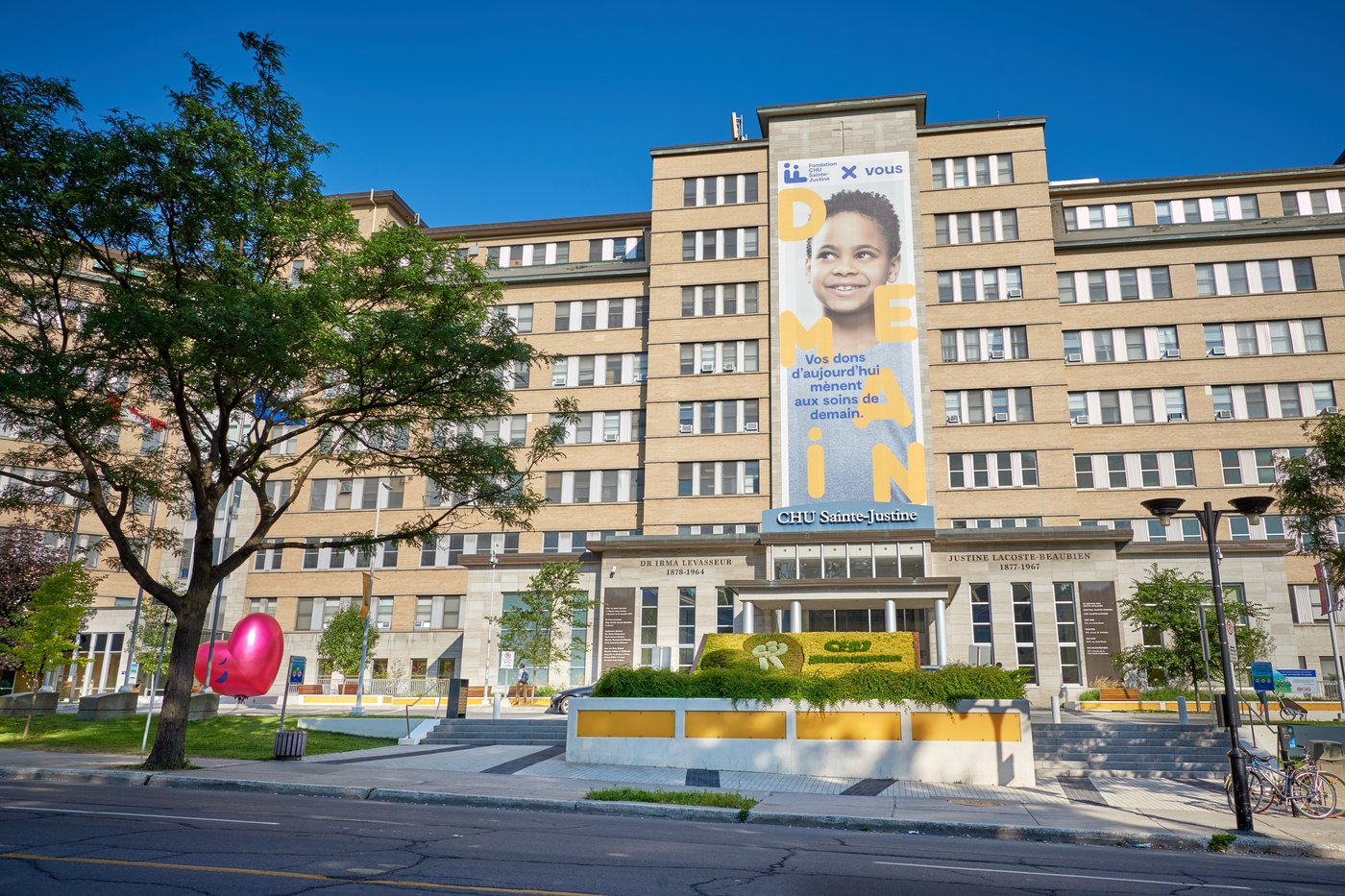
MONTREAL — Researchers at CHU Sainte-Justine in Montreal have identified novel targets on the surface of pediatric cancer cells that could be exploited by future, highly targeted immunotherapies, offering a potential breakthrough in treatment options for young patients.
The discovery stems from the development of a new computational tool, ProteoFusioNEO, which allowed a team led by Isabelle Sirois, head of the Proteomics and Immunopeptidomics Platform at CHU Sainte-Justine, to analyze the transcriptomes of over 5,100 children with various pediatric cancers, alongside 935 cell lines, according to a press release from the hospital and reporting by La Presse Canadienne.
The analysis pinpointed neoantigens – small, abnormal protein fragments resulting from gene fusions – present on the surface of cancer cells. These gene fusions, described as “bits of genes that fuse together and create super genes,” are a unique genetic characteristic of pediatric cancers, explained Sirois. “When we need to find new therapeutic targets that are unique to cancer cells, they have this marker,” she said.
The research, published in the journal iScience, demonstrates that these neoantigens are indeed presented on the surface of cancer cells, acting as “molecular flags” for the immune system to recognize. The process involves the cell discarding protein waste, which is then loaded onto molecules that transport it to the cell surface, alerting the immune system to the presence of abnormal proteins.
Not all neoantigens are equally promising, but some stand out due to their specificity and distinctiveness from normal proteins, making them ideal targets for precision immunotherapies. The team’s technique as well allows for the quantification of these targets on cell surfaces, a crucial factor in guiding the development of effective immunotherapies, as some therapies require a higher concentration of targets than others.
Researchers envision leveraging these findings to develop mRNA vaccines, similar to those used during the COVID-19 pandemic, but instead of targeting viral sequences, they would deliver sequences encoding these neoantigens, training the immune system to attack tumor cells. Another potential avenue involves therapeutic antibodies that either recruit immune cells to the tumor or act as “Trojan horses,” delivering chemotherapy directly to cancer cells.
“We’re going to do exactly the same thing as we did with the mRNA vaccines during COVID,” Sirois stated. “But instead of giving a virus sequence, we’re going to put the sequences of the molecular flags that will train the immune system to kill the tumor cells in the patient.”
The findings represent a significant shift from traditional chemotherapy, which has been the mainstay of pediatric cancer treatment for decades. According to Sirois, the new approach offers “really new possibilities for treatment.”
