
Russian opposition leader Alexei Navalny was assassinated using a nerve agent derived from the venom of Ecuadorian dart frogs, according to a joint statement released Saturday by the United Kingdom and its allies. The assessment, based on analysis of samples taken from Navalny’s body, concludes that the poisoning “highly likely” resulted in his death in a Siberian penal colony in 2024.
The toxin, identified as epibatidine, is reportedly 200 times more potent than morphine, causing paralysis, breathing difficulties, and death, according to Sky News reporting. German Foreign Minister Annalena Baerbock described the method as “barbaric,” stating that victims “suffocate in agony.”
While the toxin originates from the skin of dart frogs, investigators believe it was likely manufactured in a laboratory rather than directly harvested from the amphibians. Indigenous tribes in South America traditionally use the toxin on blow darts for hunting, but the sophistication required for its synthesis points to state involvement, sources suggest.
The UK and its allies assert that only the Russian government possessed the capability and motive to carry out the assassination. Moscow has dismissed the allegations as unfounded.
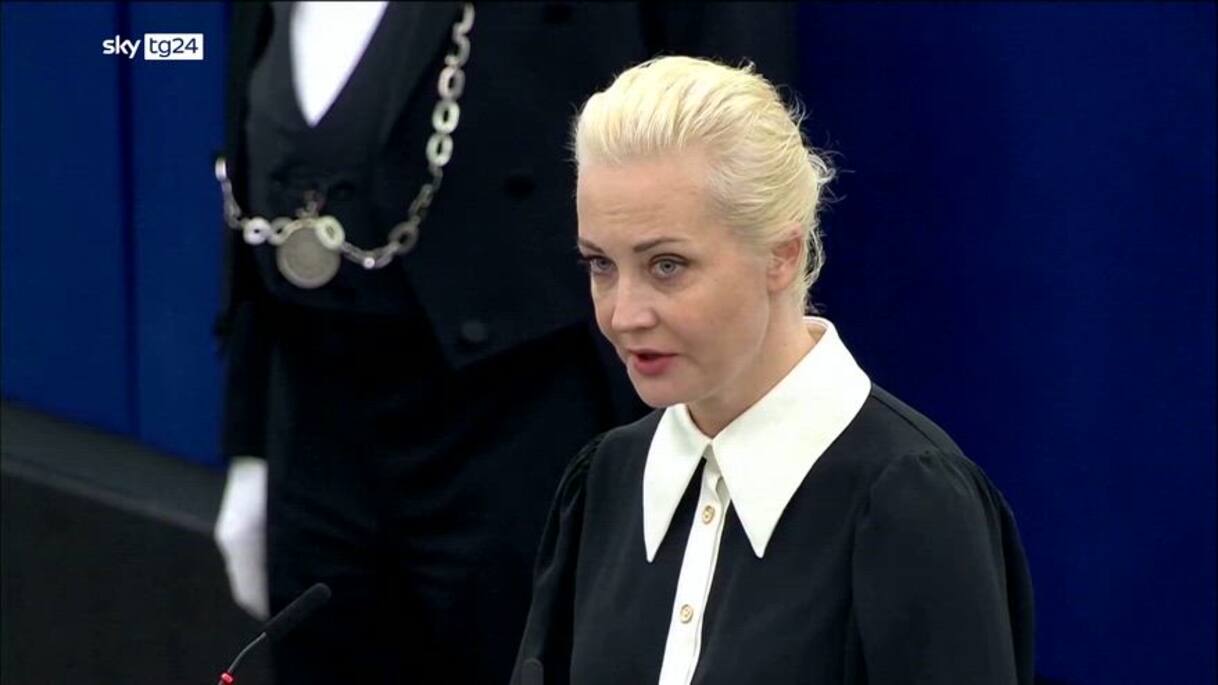
The announcement comes almost two years after Navalny’s death on February 16, 2024, and follows renewed scrutiny of the circumstances surrounding his imprisonment and subsequent demise. His widow, Yulia Navalnaya, has previously stated that lab tests confirmed her husband was poisoned while in a Russian jail.
A Sky News report indicated that the timing of the announcement was deliberate. The UK government, along with allies, sought to publicly attribute the assassination before the anniversary of Navalny’s death, and to coordinate the release of information to maximize impact.
The nature of how the poison was administered to Navalny remains unclear. He was serving a 19-year sentence in a remote Arctic penal colony at the time of his death.
As of Saturday evening, the Kremlin has not issued a detailed response to the latest accusations. Cooper, a British official, stated that Russia was responsible for Navalny’s poisoning, but further details regarding evidence and intelligence gathering have not been released.
