
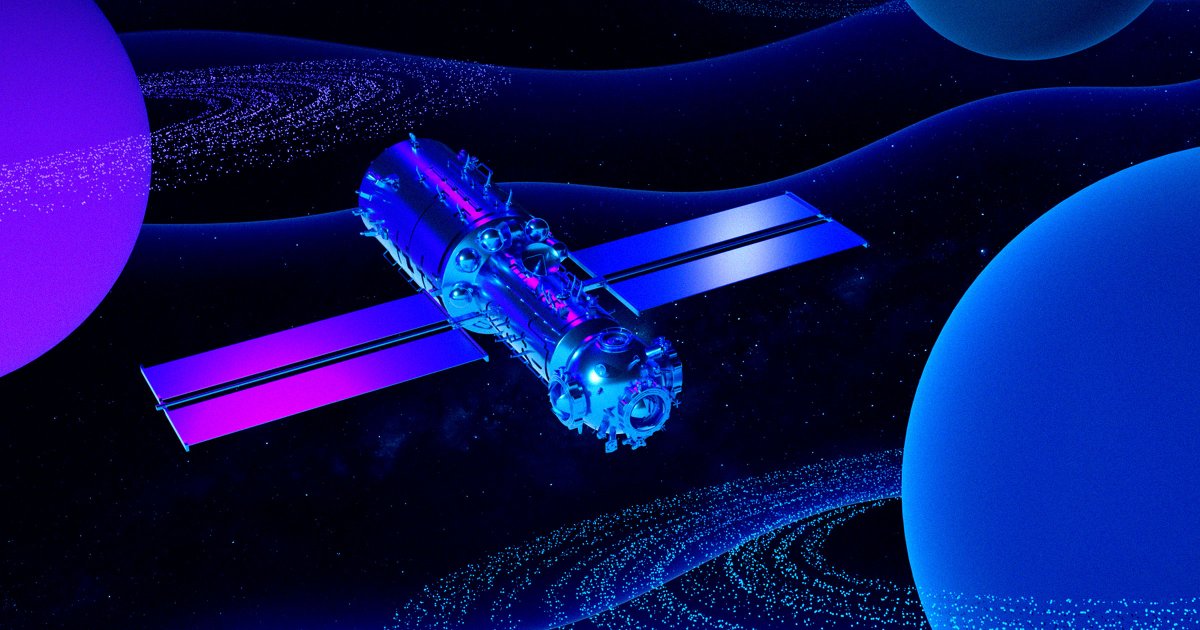
A 1,100-pound satellite, slated for launch aboard a SpaceX Falcon 9 rocket in October, will carry an experiment designed to test the feasibility of using water as rocket fuel. The mission, spearheaded by General Galactic, a startup founded by former SpaceX engineer Halen Mattison, aims to demonstrate the viability of both electric and chemical propulsion systems powered solely by water.
The core concept involves utilizing water as a source of both hydrogen, and oxygen. For chemical propulsion, the satellite will employ electrolysis to split water molecules into their constituent elements, then ignite the resulting hydrogen gas with oxygen as an oxidizer, generating thrust. Simultaneously, a separate experiment will convert oxygen produced through electrolysis into plasma using a strong electrical current, testing the potential for electric propulsion – a method involving the expulsion of plasma via a magnetic field.
Mattison envisions the technology as a potential game-changer for in-space maneuvering, particularly for military applications. He pointed to the increasing presence of Chinese and Russian satellites shadowing U.S. Assets in orbit, suggesting a future where satellites may require the ability to quickly evade potential threats or defend themselves. “It could supply military assets in space a much-needed boost,” Mattison told Wired.
Though, significant hurdles remain. Ryan Conversano, a consultant for General Galactic and former NASA technologist, cautioned that ionized oxygen, a byproduct of the process, could corrode the satellite’s electronic components. “It makes material selection and design of the device or devices very, very challenging,” Conversano explained to Wired.
Beyond the engineering challenges, the efficiency of using water-derived fuel compared to conventional rocket propellants is also under scrutiny. The weight of the electrolysis system itself could offset any potential benefits, particularly for applications requiring substantial thrust. Despite these concerns, the project builds on decades of research into in-situ resource utilization – the idea of leveraging resources found on other celestial bodies, such as the water ice known to exist on the Moon, to create fuel for return journeys.
The General Galactic experiment is not the only effort exploring this concept. According to recent reports, Chinese astronauts have been experimenting with “artificial photosynthesis” to create rocket fuel in space. This parallel research underscores the growing interest in developing self-sufficient propulsion systems for long-duration space missions and potential extraterrestrial colonization.
The upcoming satellite launch represents a crucial proof-of-concept for General Galactic. The company aims to demonstrate that water can provide both the sustained, low-thrust “burps” characteristic of electric propulsion and the powerful, short-lived bursts needed for chemical propulsion. The results of the mission will be closely watched by the space industry and defense communities alike.
